

My family never seems to plan the fall yard cleanup on the weekend that makes the most sense -- that small window of opportunity when Mother Nature gives us a last gasp of nice weather to rake up the leaves and cut the grass one last time. We prefer to wait until the weekend after that, when it's cold and windy, making the leaf raking a bit more challenging.
In order to hold up my end of the family effort, I felt the least I could do while they were outside working was to make a special meal. When I asked my son Kyle what sounded good, he said, shivering, "something warm."
Well, most things I cook for dinner fall into that category, but "warm" can mean something beyond a reference to its temperature. In my mind at least, it can also mean seasoned with warm spices. Cinnamon, coriander, cumin and cardamom all fall into that classification. And no other cuisine shows them off better than Indian.
I grew up eating a lot of ethnic food in San Diego, where both Latin American and Asian influences are strong. I didn't venture into Indian cuisine, though, until I was older and had lived in different parts of the country.
Even then, I didn't actually begin cooking it at home until I moved to Minneapolis, near my good friend, fellow cookbook author and teacher Raghavan Iyer.
He not only makes delicious Indian food, but writes the most wonderful books that demystify the cuisine for the uninitiated home cook. When he was busy testing recipes for his upcoming book, "Indian Cooking Unfolded," my family was the lucky taster of many of the dishes. In the process, my kids have become big fans of Indian cooking.
Rice and seasonings
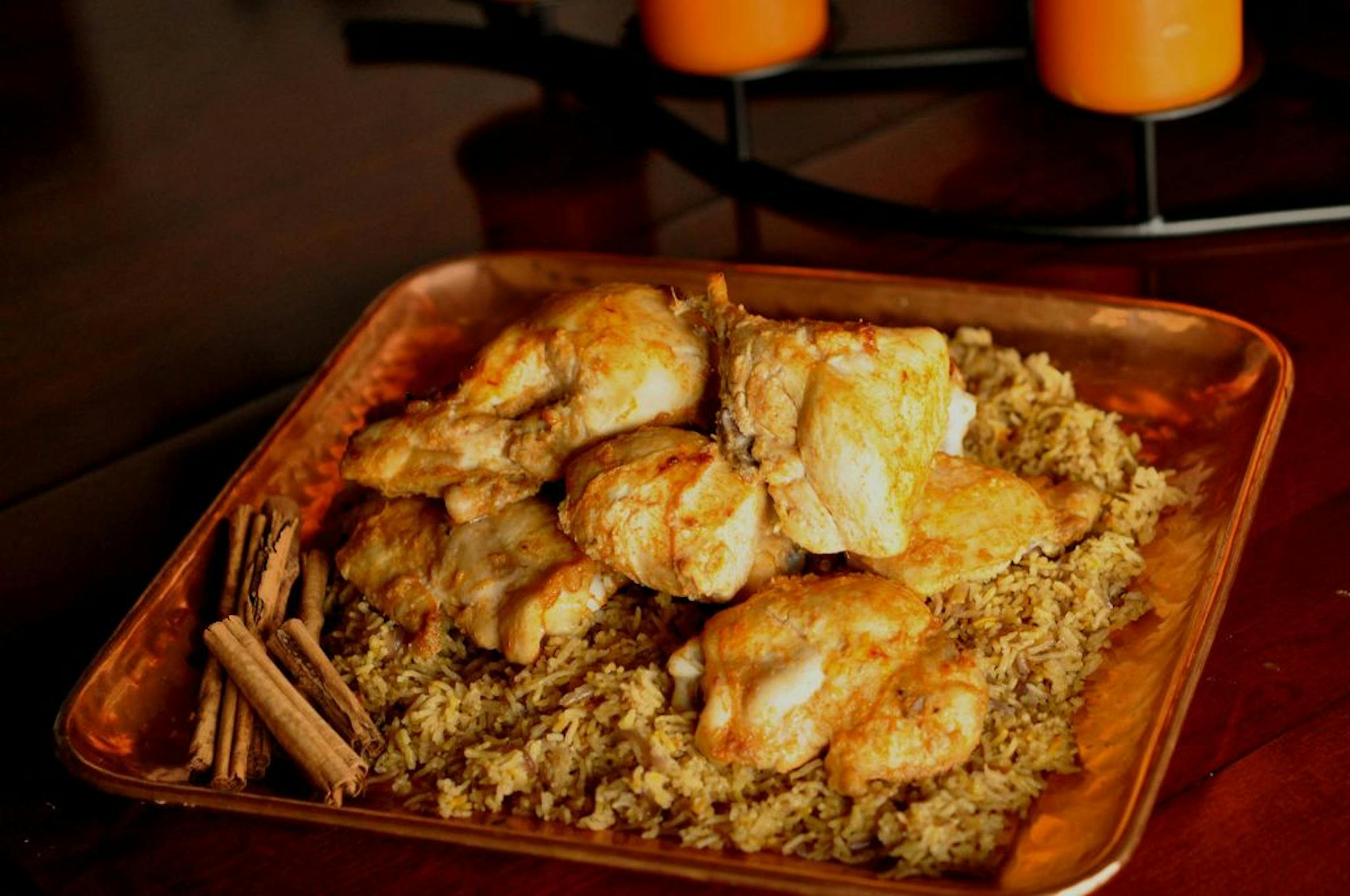
One of the foundations of Indian food is rice. It can be served simply on the side, or used in more involved preparations, such as biryani, a spiced rice dish with meat and/or vegetables that often has many ingredients and an equally long list of steps.


