

Like many Minnesotans, I took advantage of last week's warm weather to get outside. But I couldn't shake the feeling that 80 degrees and humid in March is just plain weird.
I also spent hours in legislative hearing rooms, working to meet committee deadlines.
The two experiences dramatize the misplaced priorities and inadequate leadership of the legislative majority on climate and clean energy, issues that should be a cornerstone for Minnesota's success in a 21st-century economy.
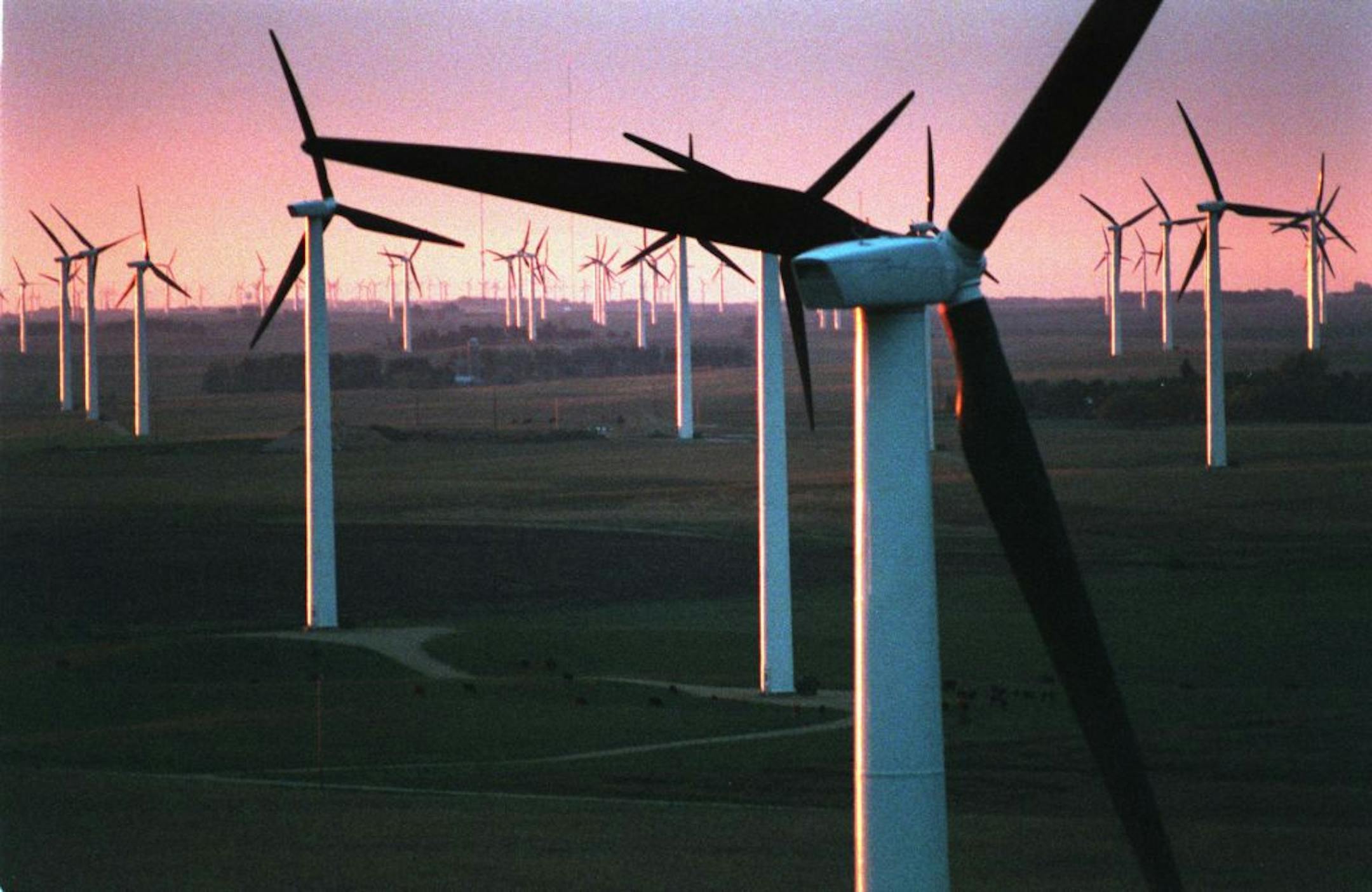
Fortunately, the bonding bill provides an opportunity for a bipartisan down payment on Minnesota's renewable-energy future.
While no single weather event can be linked to climate change, the recent string of heat records is an example of what we can expect. Whether you are a farmer figuring out when to plant; a city manager planning for record snow, floods or drought, or a parent managing your child's asthma, Minnesota's changing climate should have you concerned.
Unfortunately, after years of bipartisan leadership from Gov. Tim Pawlenty and previous legislative leaders, the state began to fall behind in 2011. Legislators in the majority party show no shame in being openly hostile to the established body of scientific evidence demonstrating that climate change is real and that humans are contributing to it.
This outright denial of science would be laughable if it didn't compromise Minnesota's position as a place that finds practical solutions to world challenges.
Even if you don't see climate change as a problem, the rest of the world does, and it's looking to invest in solutions. Furthermore, increasing population, growing Asian economies and unrest in oil-rich regions mean energy costs are less and less controlled by American action.


