"Snowpiercer" the series arrived May 17 on TNT (8 p.m. Sundays), a weekly show set after the end of the world.
While not as depressing as it sounds, it's still pretty bleak. The premise is a new ice age, with survivors living on a train that eternally circles the Earth, its engine a perpetual motion machine that generates enough power to keep itself moving.
That train has 1,001 carriages. That sounds like a lot, but it has to provide living quarters for more than 3,000 people, space for agriculture and animal husbandry, and even some entertainment cars.
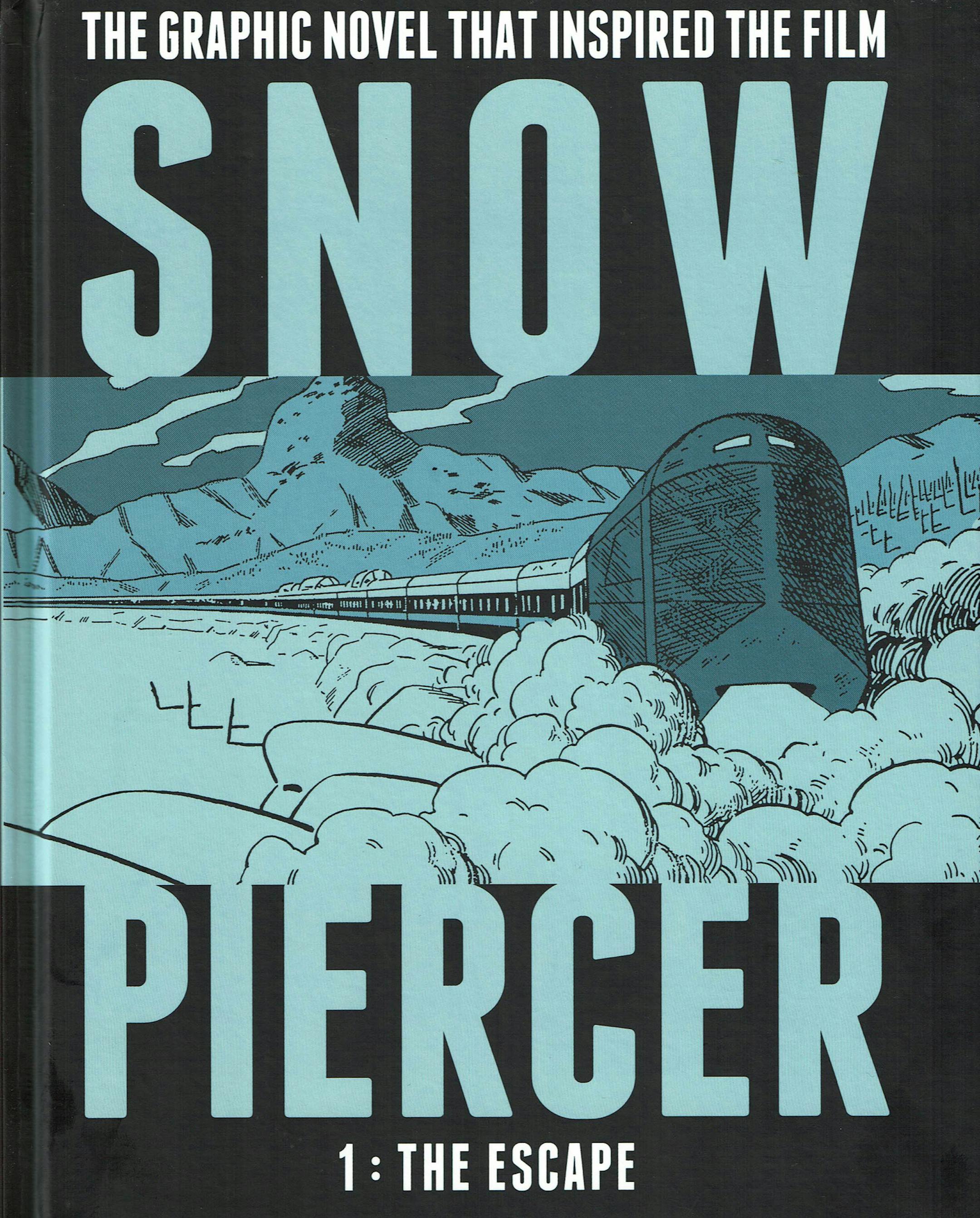
It's a bizarre scenario, and, as you'd expect with words like "carriages," arises from Europe. Specifically, a French graphic novel named "Le Transperceneige" (literally "Snow-Piercer") by Jacques Lob and Jean-Marc Rochette. It was later retitled "The Escape," which is the subtitle of the U.S. version, published by Titan Comics in 2013.
What made the story famous, of course, is the 2013 movie adaptation by director Bong Joon-ho ("Parasite"). So "Snowpiercer" has made its appearance in three media, resulting in three versions of the story — always recognizable, but not identical. Still, certain elements remain in all versions.
For one, Rochette remains the artist through the series, despite a number of different writers. For another, the train is almost always a commentary on socioeconomic class, with the farther forward you live the more luxuries you enjoy. By contrast, the tail section is populated by people who weren't planned for.
"Snowpiercer" is really well done, especially with how it handles exposition. While lots of sci-fi graphic novels try to explain everything to you, "Snowpiercer" gives you its history lessons in snippets of dialogue or simply shows you.
OK, spoilers ahead! Because "Snowpiercer Volume 1: The Escape" comes to a very definitive end. I don't want to give too much away, but the main character does make it to the engine room, where some surprises await. And not many of them are good.