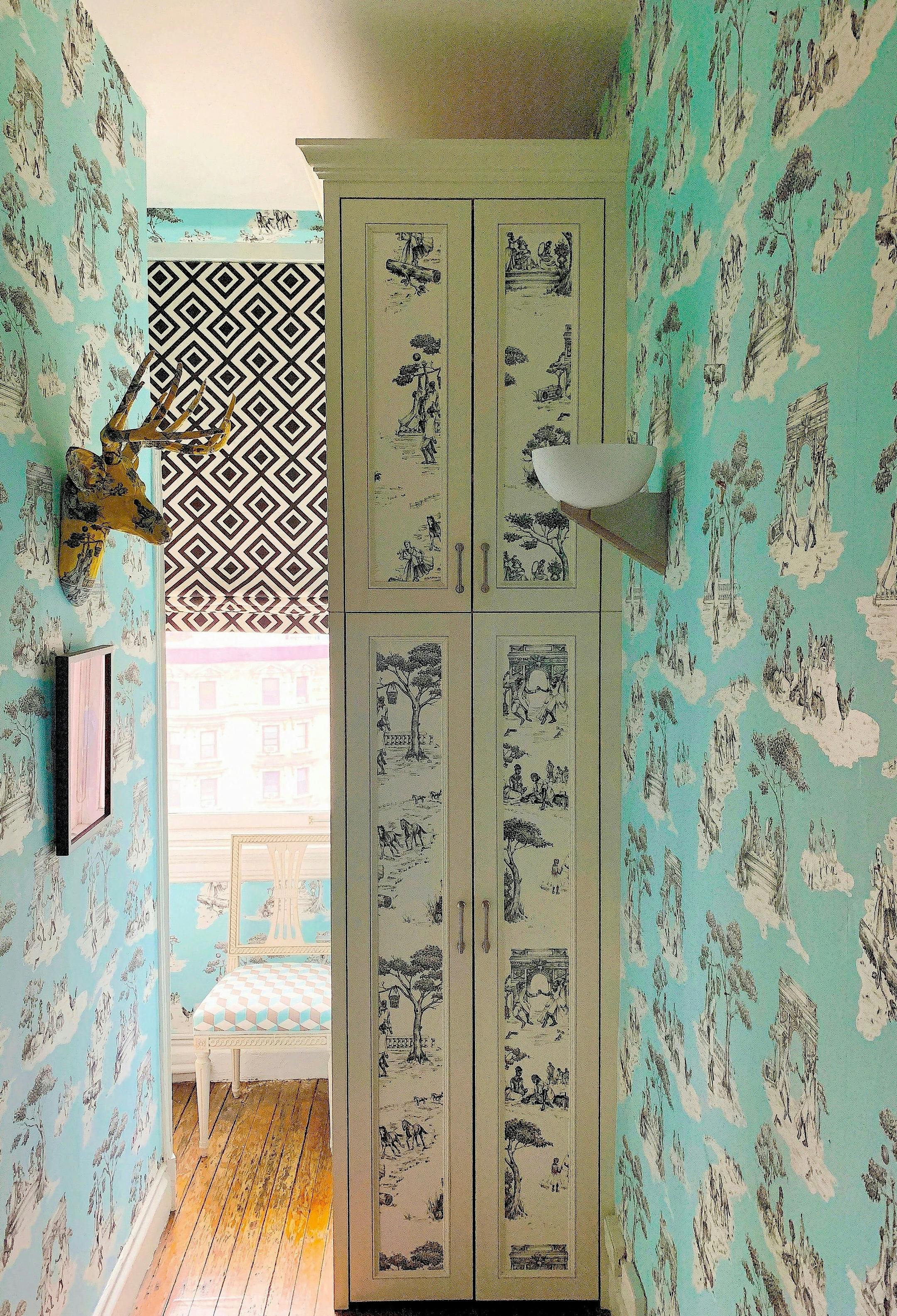
Victor Glemaud, a 45-year-old Haitian-born designer of statement knitwear, has busied himself with patterns for nearly his entire career. But only after introducing his first home goods for textiles and wallpaper supplier F Schumacher & Co. last June did he finally see his work enshrined in an interior setting, rather than let loose in the wilds of fashion.
"You have to want to live with it," he said of wallpaper and upholstery. "It's in your home, and it lasts for so long."
Among other designs, which include a lush velvet chevron and an allover hibiscus print, Glemaud created a toile — a style of illustrative printed textile popularized in 18th-century France — representing Haitian revolutionary leader Toussaint Louverture, who died in 1803.
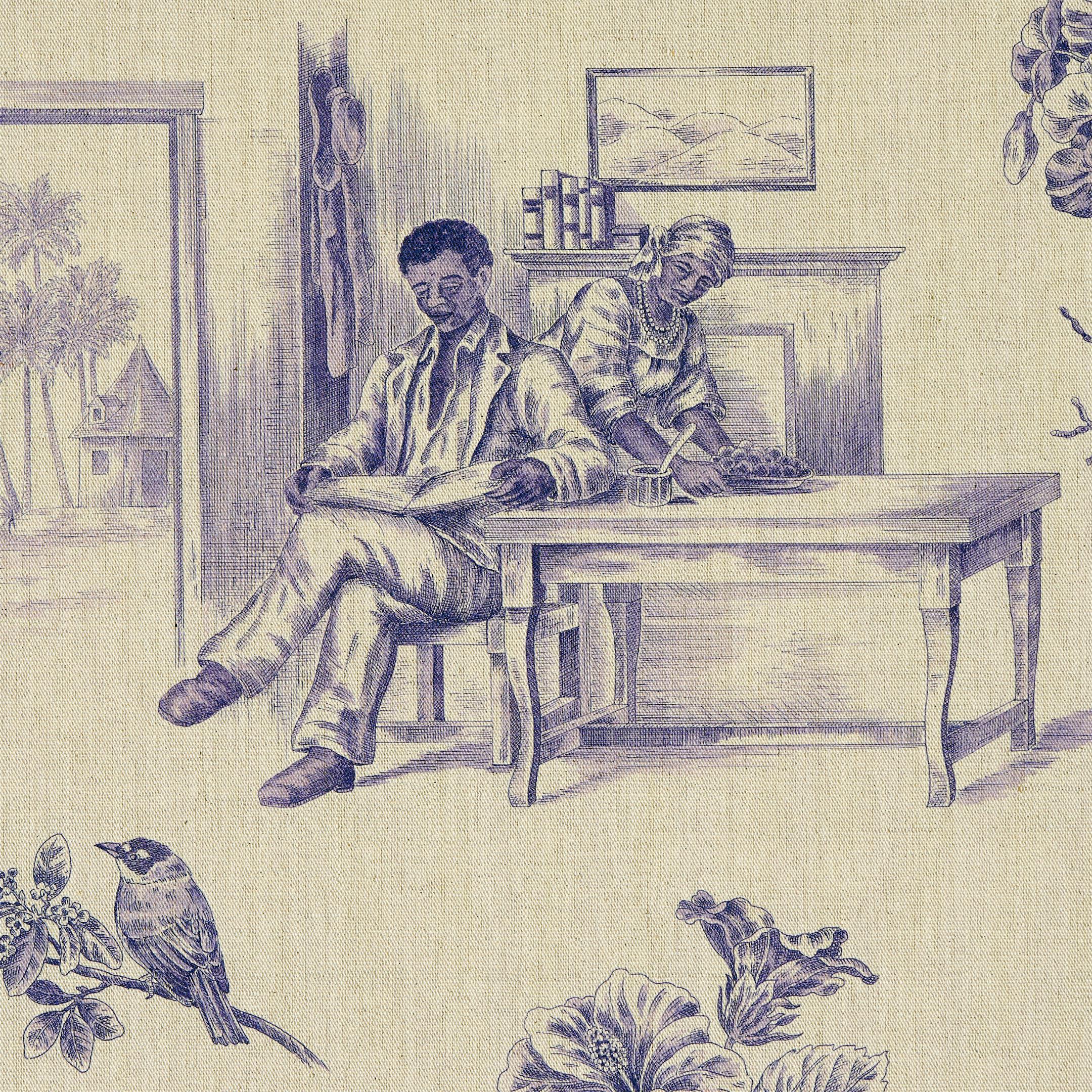
"We had to imagine what this gentleman looked like," Glemaud said. (There are no extant realistic portraits.) This meant humanizing Louverture, not just as a military figure but "in moments of repose, of relaxation, of adoration." The toile also illustrates Haiti's lush natural beauty and the fertile lands that supported plantations producing sugar, cotton, coffee and other cash crops — crops that made Saint-Domingue, as it was called, France's most lucrative colony, and perpetuated the labor and trade of enslaved people.
"I have always loved toiles because they are pastoral and historical," Glemaud said.
Using the Trojan horse of ornamental home goods to widen the range of cultural perspectives has recently been a focus for a number of designers working with both legacy manufacturers and boutique studios. The effort is "absolutely long overdue," said Christina L. De León, acting deputy director of curatorial at the Cooper Hewitt, Smithsonian Design Museum.
The potential impact of wallpaper, which "covers literally every facet of a room — where you walk in and you're consumed by that — is very powerful," De León said. It can perpetuate stereotypes — or attempt to overturn them.
Perhaps the most memorable modern example taking full advantage of this power is Harlem Toile de Jouy, designed by Sheila Bridges 17 years ago for Studio Printworks. Riffing on African American stereotypes, Bridges dressed her toile subjects in 18th-century clothing and set them in neoclassical landscapes, where they play basketball, dance to music from a boombox and eat chicken.