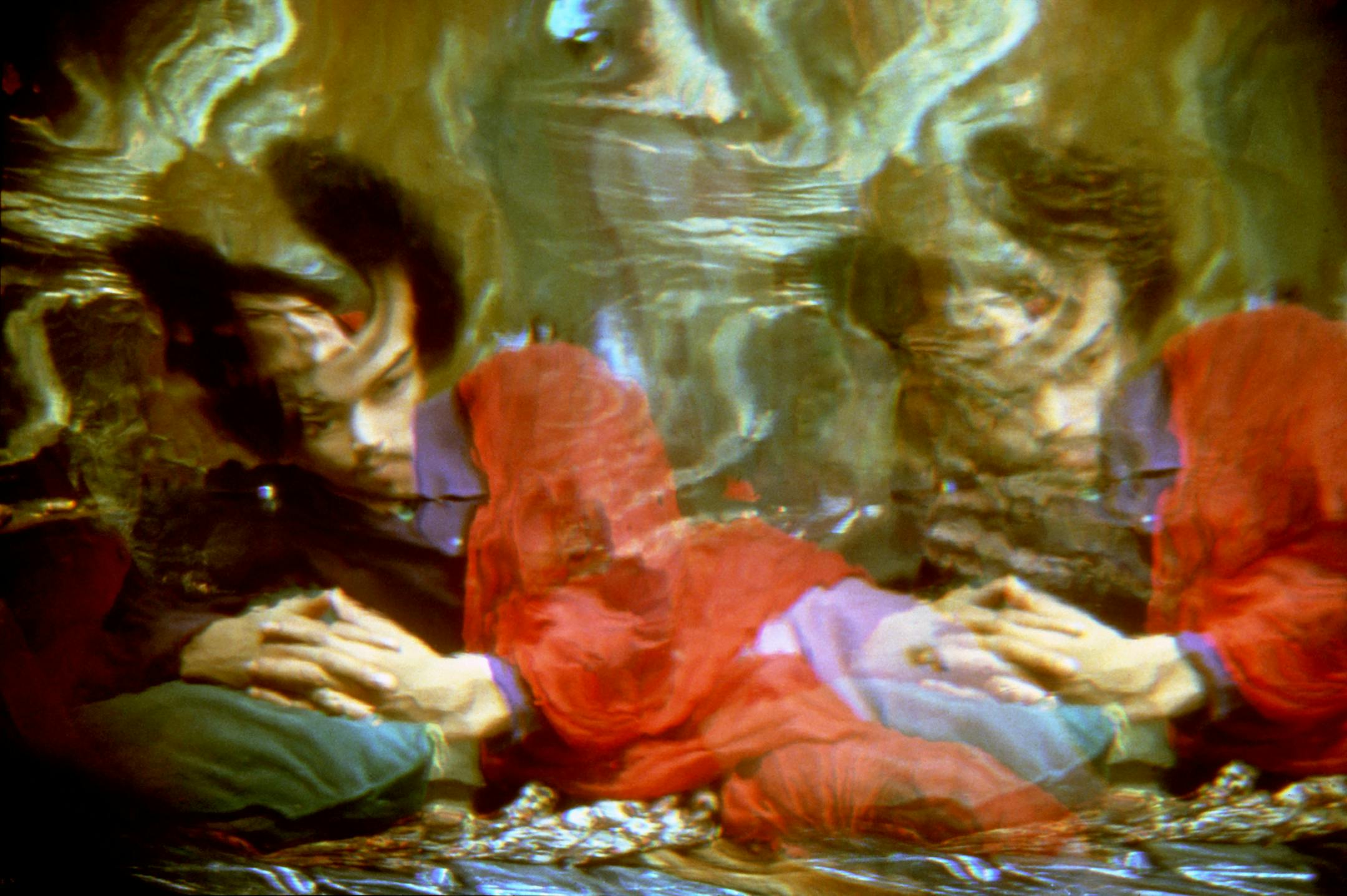
These days the word "hippie" has a stale vibe. Too redolent of mildewed bell-bottoms unearthed at a garage sale. Or tattered psychedelic posters for bands that got rained out at Woodstock or bummed out at Altamont.
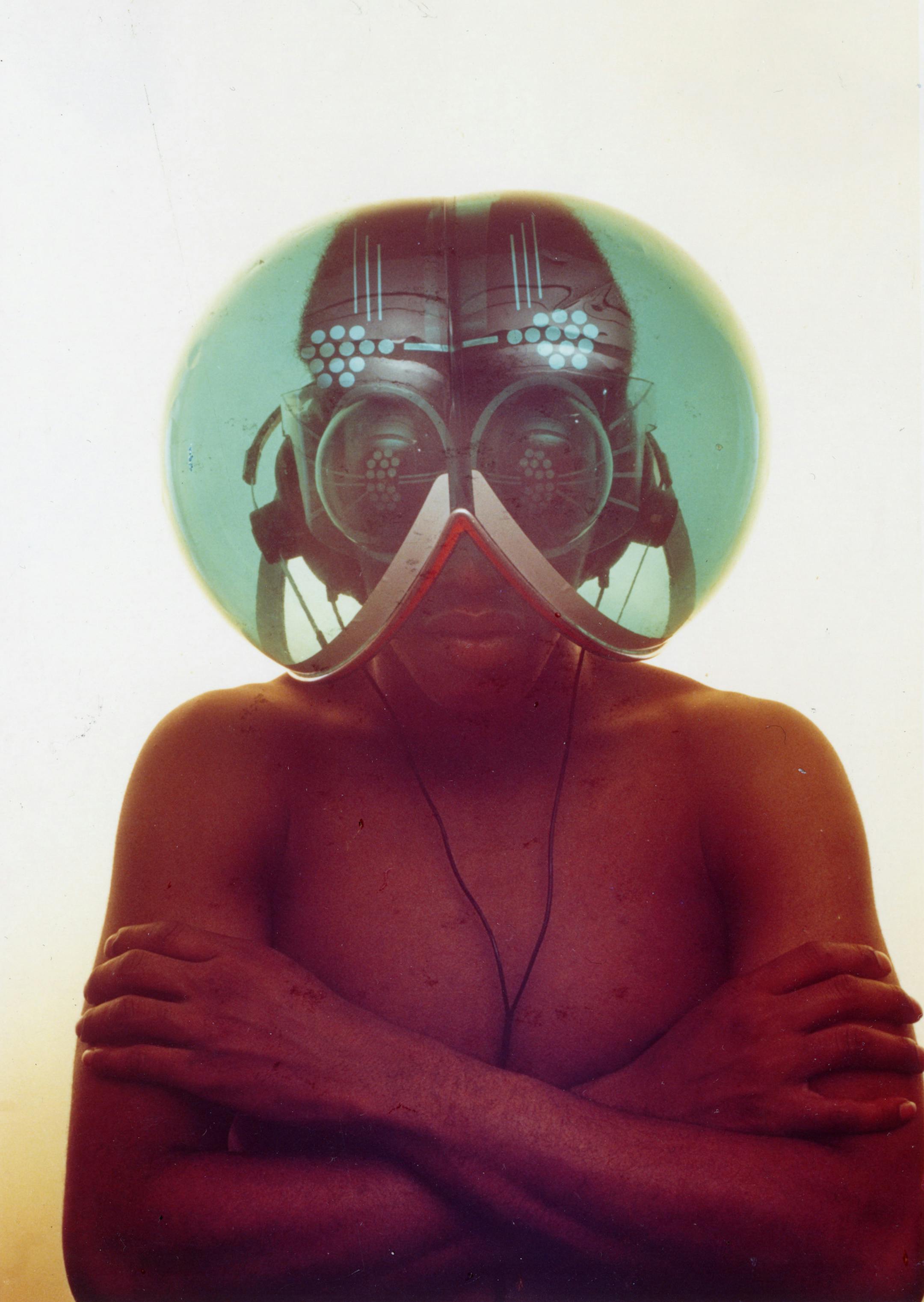
Well. Forget that faded aura and take in "Hippie Modernism: The Struggle for Utopia," a fresh show of fascinating stuff — posters, furniture, films, installations, even an indoor garden of citrus trees — opening this weekend at Walker Art Center. A deep and well-researched dive into the novelty and idealism of the 1960s, it runs through Feb. 28 before traveling to museums in suburban Detroit and Berkeley, Calif.
Five years in the making, the show revisits a turbulent decade, 1964-73, when artists, designers, musicians, filmmakers, philosophers and tie-dyed fashionistas set about building geodesic domes, embracing the Earth, creating funky high-tech furniture, inventing light shows, wiring fab sound systems, reshaping print and film, imagining new lifestyles, and following Timothy Leary's injunction to "Turn On, Tune In and Drop Out."
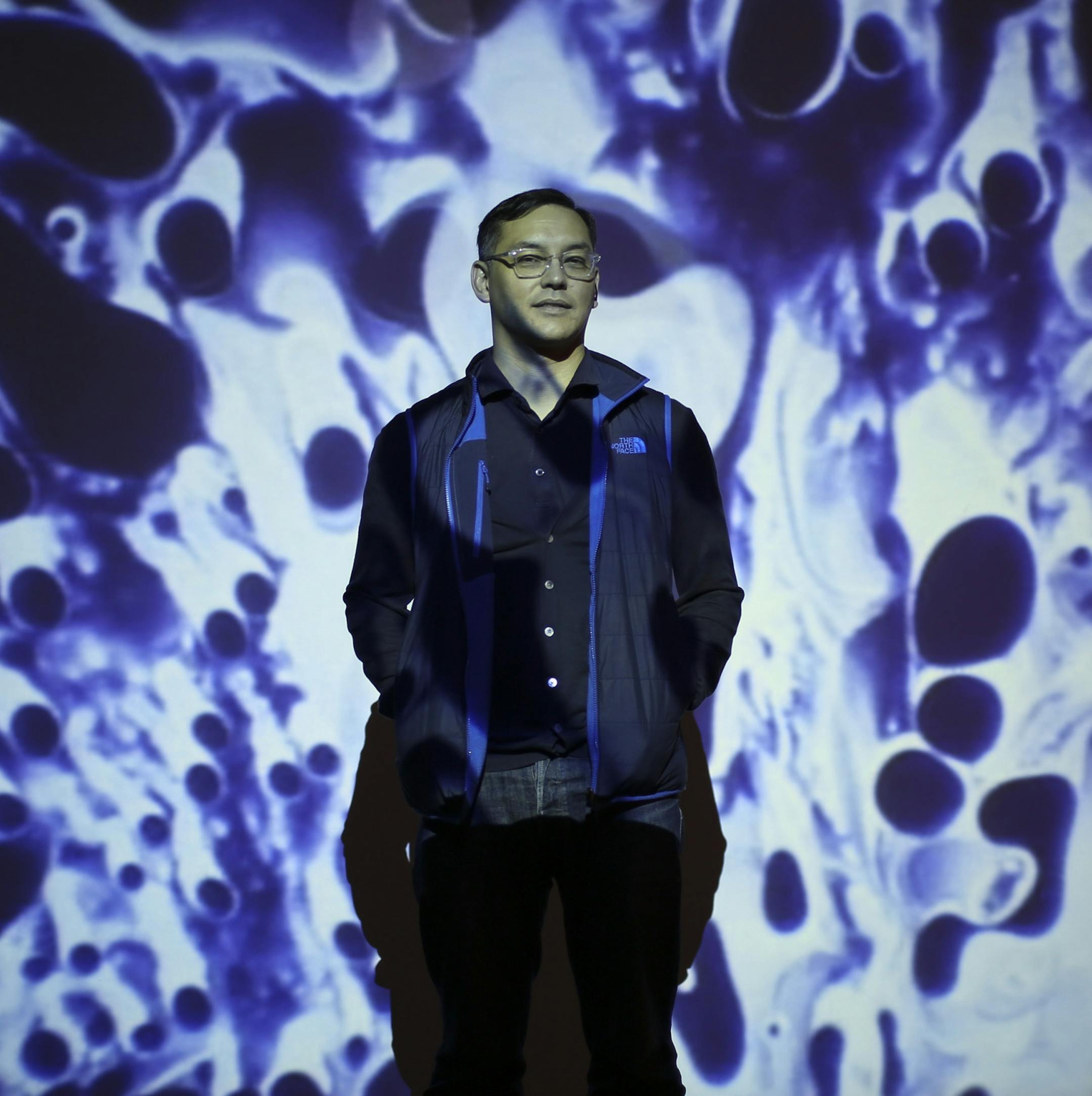
"A lot of ideas and speculative products that are mainstream today were revolutionary then," said exhibition curator Andrew Blauvelt, the Walker's former design director who now heads the Cranbrook Art Museum in Bloomfield Hills, Mich.
Everything from Western embrace of Eastern spirituality and meditation to recycling, environmentalism, gay culture and the so-called "sharing economy," exemplified by Airbnb and Uber, tracks back to the hippie fluorescence of the 1960s, Blauvelt contends.
"It's about out-of-the-box thinking that defined design and shaped life today," he said.
The show's start date coincides with a cross-country journey that novelist Ken Kesey ("One Flew Over the Cuckoo's Nest") took in 1964 with an LSD-infused bunch known as the Merry Pranksters. Driving a psychedelically painted school bus, they tripped from San Francisco to the New York World's Fair, stopping en route to amuse bystanders and hand out free acid.
"Ironically, it was not the fair, but the West Coast hippie culture that the Pranksters represented, that was the future," at least for the next decade, Blauvelt said.