

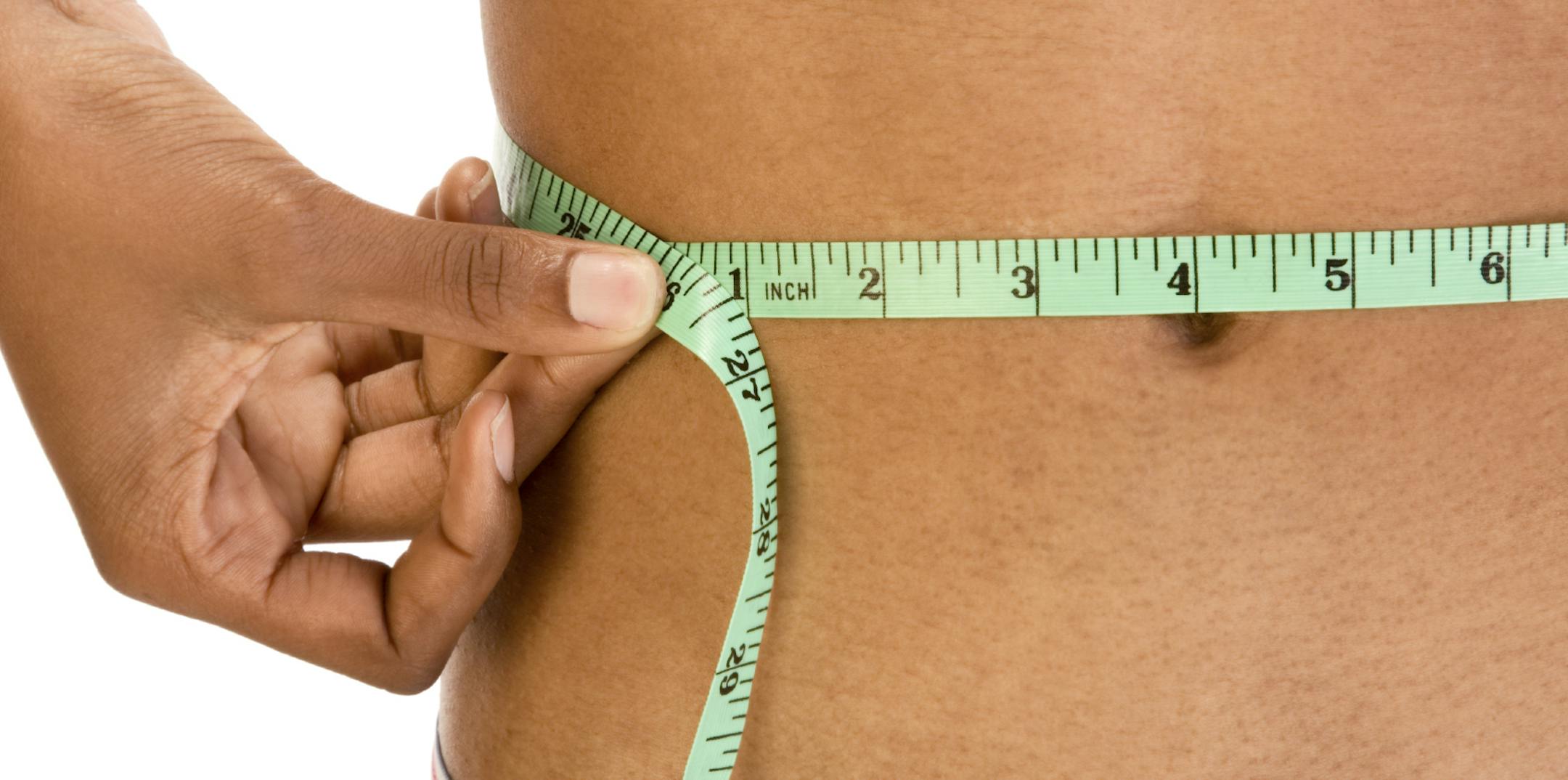
Waist-to-height ratio may be a more accurate measure of cardiovascular health risk than the current standard, the body mass index, a St. Louis expert says.
He's confident that the waist-to-height ratio may soon eclipse the BMI as a measure of risk for lifestyle diseases such as cardiovascular disease, heart attack, stroke and diabetes.
Not so fast, says another expert: While the height-weight ratio has value, it needs to mature a bit to be more precise.
The ratio says waistlines should be no more than half of height, said Dr. Mario Morales, medical director of the SSM Weight-Loss Institute at DePaul Health Center. For example, a 6-foot (72 inches) person should maintain a waistline of 36 inches, he said. Growing past that can lead to health risks, he said.
Recent studies show risks that developed from the 50 percent point grow with the waistlines, he said, to the point that people whose waistlines reach 80 percent of their height shortened their life spans by 17 years.
The latest research that excited Morales, a bariatric surgeon, was delivered in May at the 19th Congress on Obesity in Lyon, France. Researchers there told European media flatly: "Keeping the waist circumference to less than half of height can help increase life expectancy for every person in the world."
The European researchers suggested using the waist-to-height ratio as a screening tool to predict health risks. The study analyzed the health of more than 300,000 people and found the ratio was better able to predict high blood pressure, diabetes, heart attacks and strokes than BMI.
The new measure is "much more sensitive to [health risks] than BMI," because weight-to-height ratio takes into account "where the patients hold their weight — apple shape, pear shape," Morales said. "Fat that's behind the abdominal wall is not just cells; it's called metabolic reactive fat. It creates [chemicals] that cause inflammation. Inflammation results in scar formation and can cause malfunction of the organs."


