WASHINGTON -- The winds of political change blow easily across southern Minnesota, a rolling patchwork of tidy farms, small-town manufacturing plants and proudly independent political leanings.
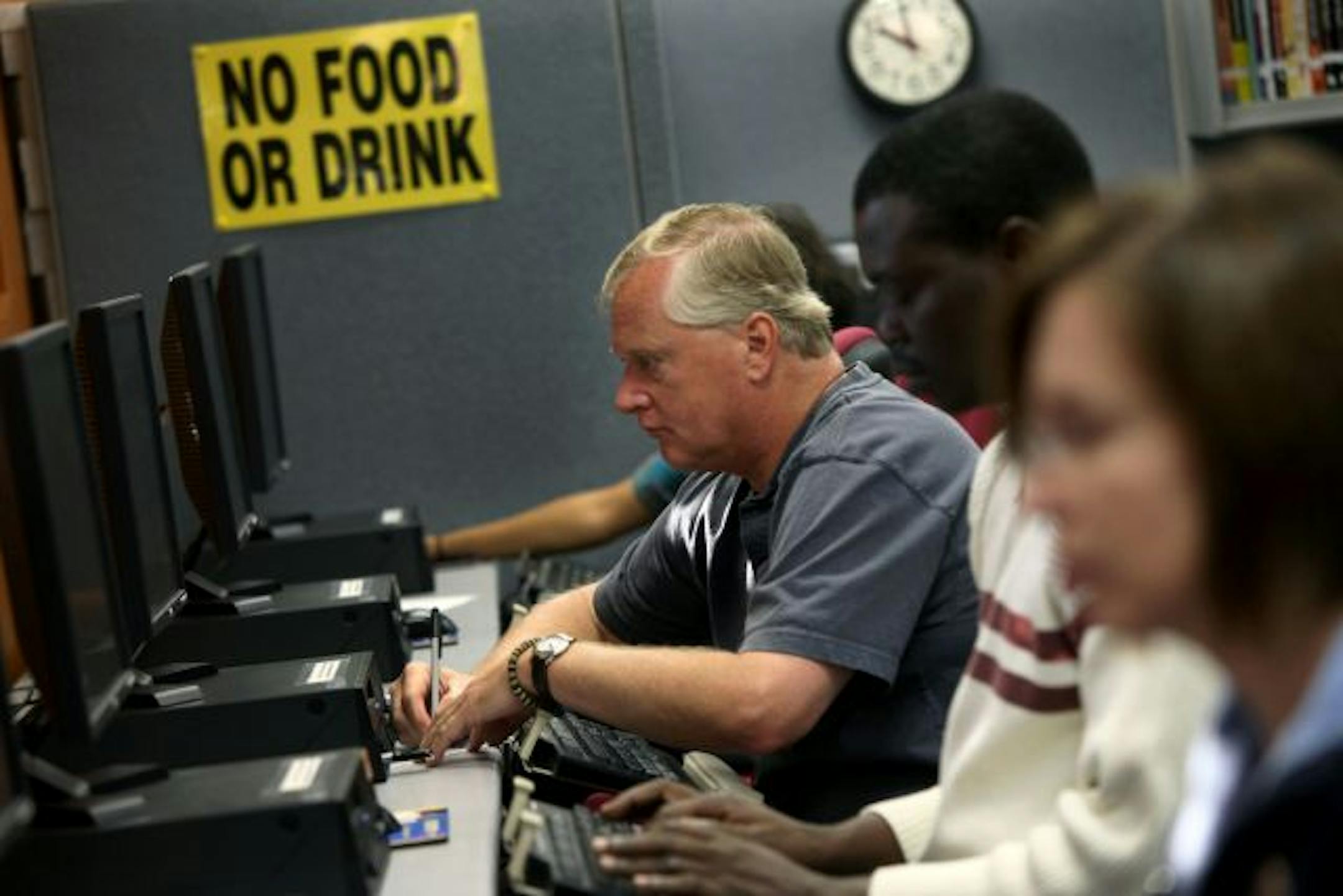
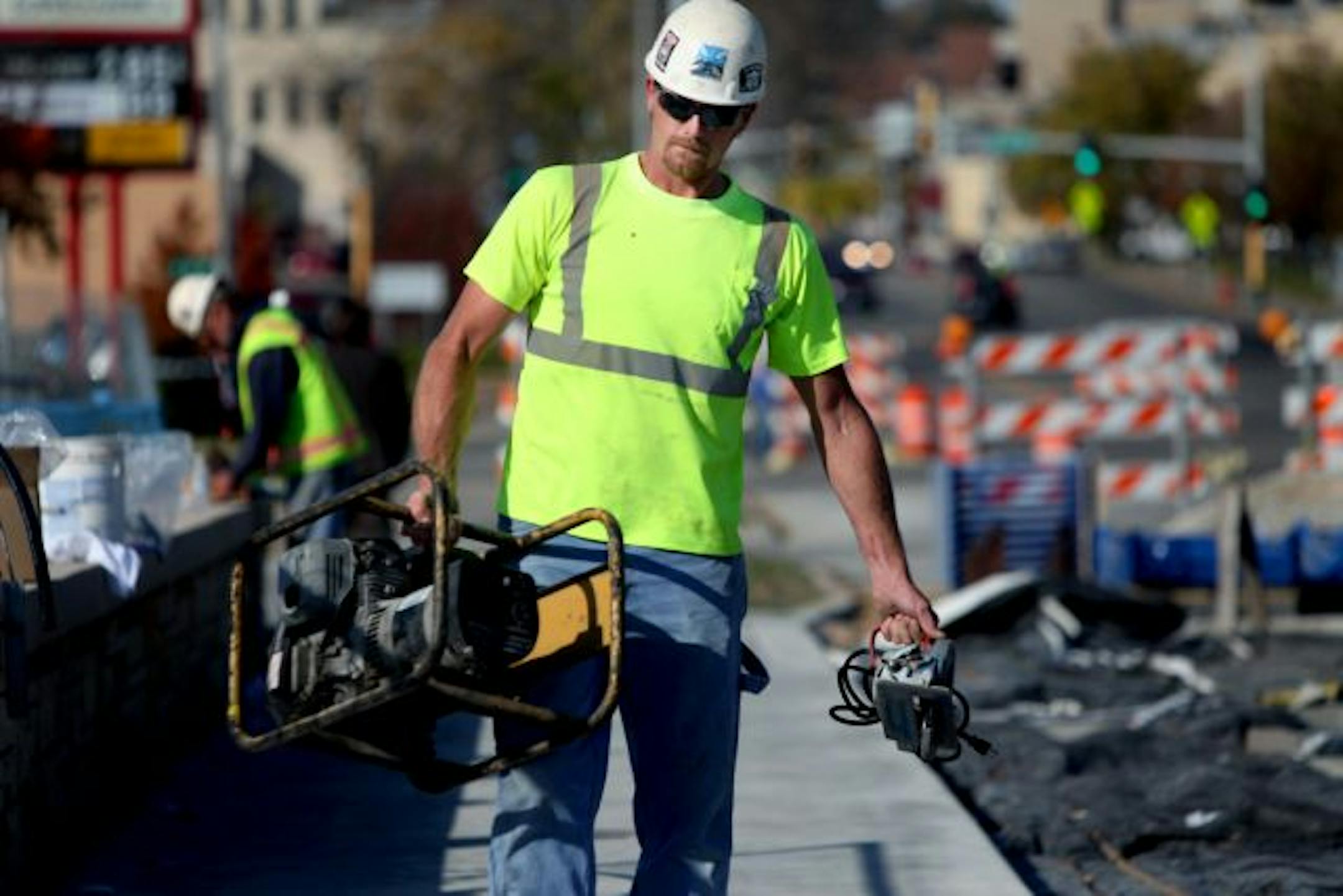
This year, change came late for paralegal Sandy Abild. A Mankato mother of two, Abild is married to a lifelong construction worker who has been out of work nearly a year. When her husband finally got called to work on a wind turbine project funded by the federal Recovery Act of 2009, Abild's first thought was: It's about time.
"It took a long time for the money to filter here," Abild said. "It helped put my husband back to work, but there are still a lot of people looking for jobs."
In the midst of an economy that's expected to send dozens of congressional Democrats packing this fall, a swing district like Minnesota's First -- sitting atop Iowa from South Dakota to Wisconsin -- presents one of the best chances for a Republican pickup in the state.
Analysts on both sides say it would take a strong Republican blow for GOP state Rep. Randy Demmer to dislodge two-term Democrat Tim Walz. But in an election season shadowed by persistently high unemployment, no one is taking anything for granted.
"It's on everybody's mind," said Walz, whose job it is to convince voters that better times are coming. "The good news is we're blessed in not having the severe unemployment the rest of the nation has."
Joblessness in the region remains a few ticks below the nation's 9.6 percent unemployment rate -- the worst in decades. But Republicans still sense an opening and have focused relentlessly on Walz's vote for the Recovery Act, the Obama administration's $787 billion economic stimulus package.
"Government spending and the stimulus simply is not the job creator we were promised," Demmer says. "It's failing." The government estimates that 60,000 jobs have been created or saved in Minnesota through the stimulus package.