

Suddenly the left doesn't think Sen. Rand Paul of Kentucky is so crazy after all.
A week after U.S. Attorney General Eric Holder made a strong case for restoring voting rights to felons, the Kentucky Senate joined the Kentucky House in approving a constitutional amendment restoring rights to many felons, and Paul prefers the broader version passed by the Democratic-controlled House.
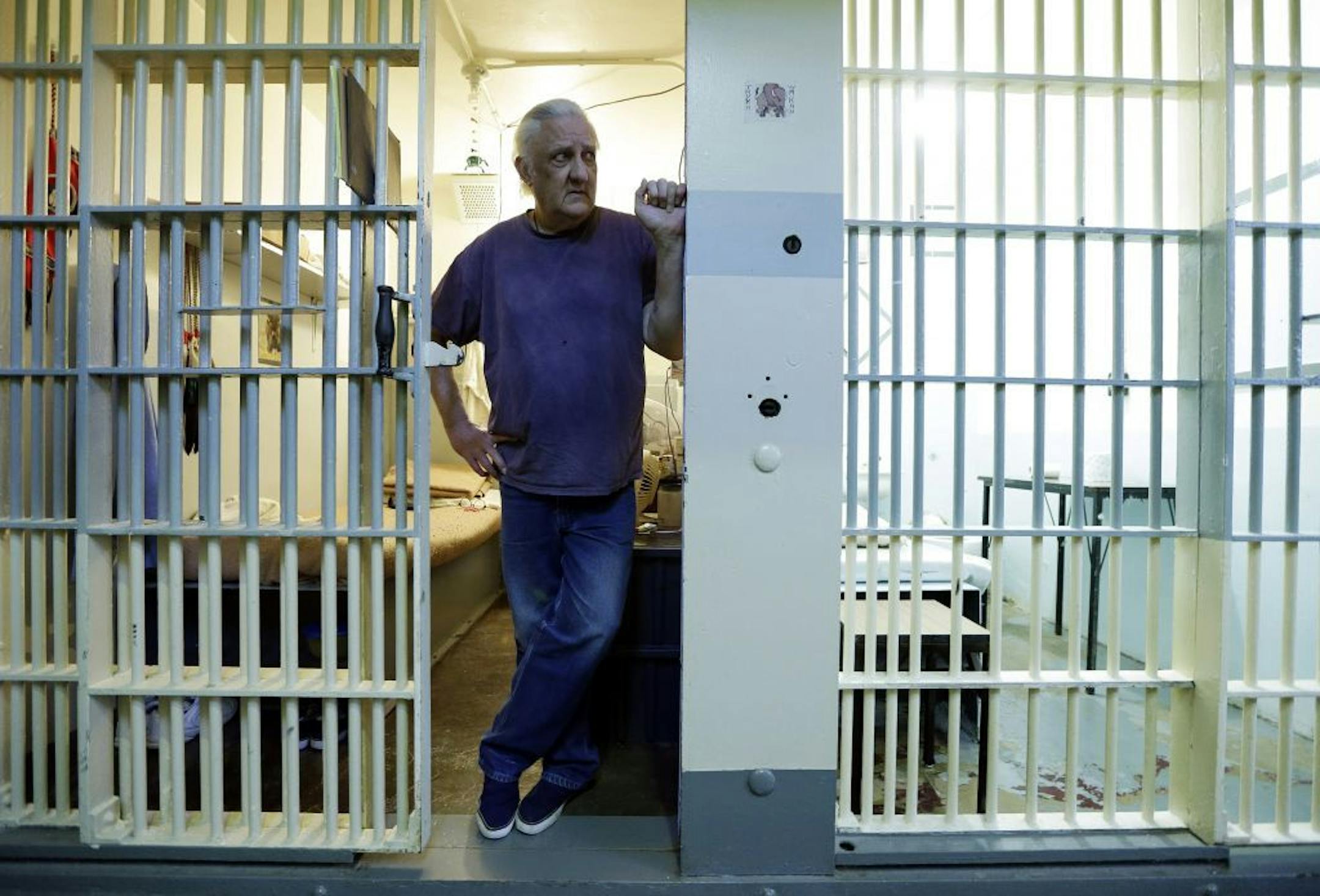
Voting rights for felons is an issue of convergence for liberals and libertarians. But it invites another question: What about gun rights?
That is, if citizens who have paid their debt to society should regain their constitutional right to vote, as Holder argued, why should they not regain their constitutional right to own a gun as well?
It's a question Paul and other conservatives — not to mention the National Rifle Association — increasingly will be asking.
Federal law prohibits all felons from possessing guns, but states may restore felons' gun rights after restoring their civil rights — the right to vote, sit on juries and hold office. In 11 states this happens automatically for non-violent felons, and some states even allow violent felons to recover their gun rights. In most states, however, all felons must petition to have their gun rights restored. In Kentucky, only a pardon from the governor can restore gun rights, and the same is true for voting rights.
Holder's case for restoring voting rights to felons rests partly on race. The numbers are indeed unsettling: Across the country, one of every 13 black citizens is barred from voting. In Florida, Kentucky and Virginia, the number is one of every five. Those disparities also hold true for citizens denied the right to own a gun.
If laws disproportionately deny black citizens a constitutional right, isn't that wrong, no matter what the right? Holder played into this argument, but the issue isn't so black and white.


