

It wasn't an easy time for Stacey Schiller.
Fresh out of court-ordered drug treatment, she had nowhere to live and ended up sleeping in her car while she was looking for a job. When her car was repossessed, she crashed on friends' couches or spent the night in St. Paul parks. She got by on dry cereal and canned fruit from a food shelf. But finding the necessary products to manage her menstrual cycle was a challenge.
"No one thinks of this as a luxury, but when you're homeless, it is," Schiller said. "It makes a stressful situation worse."
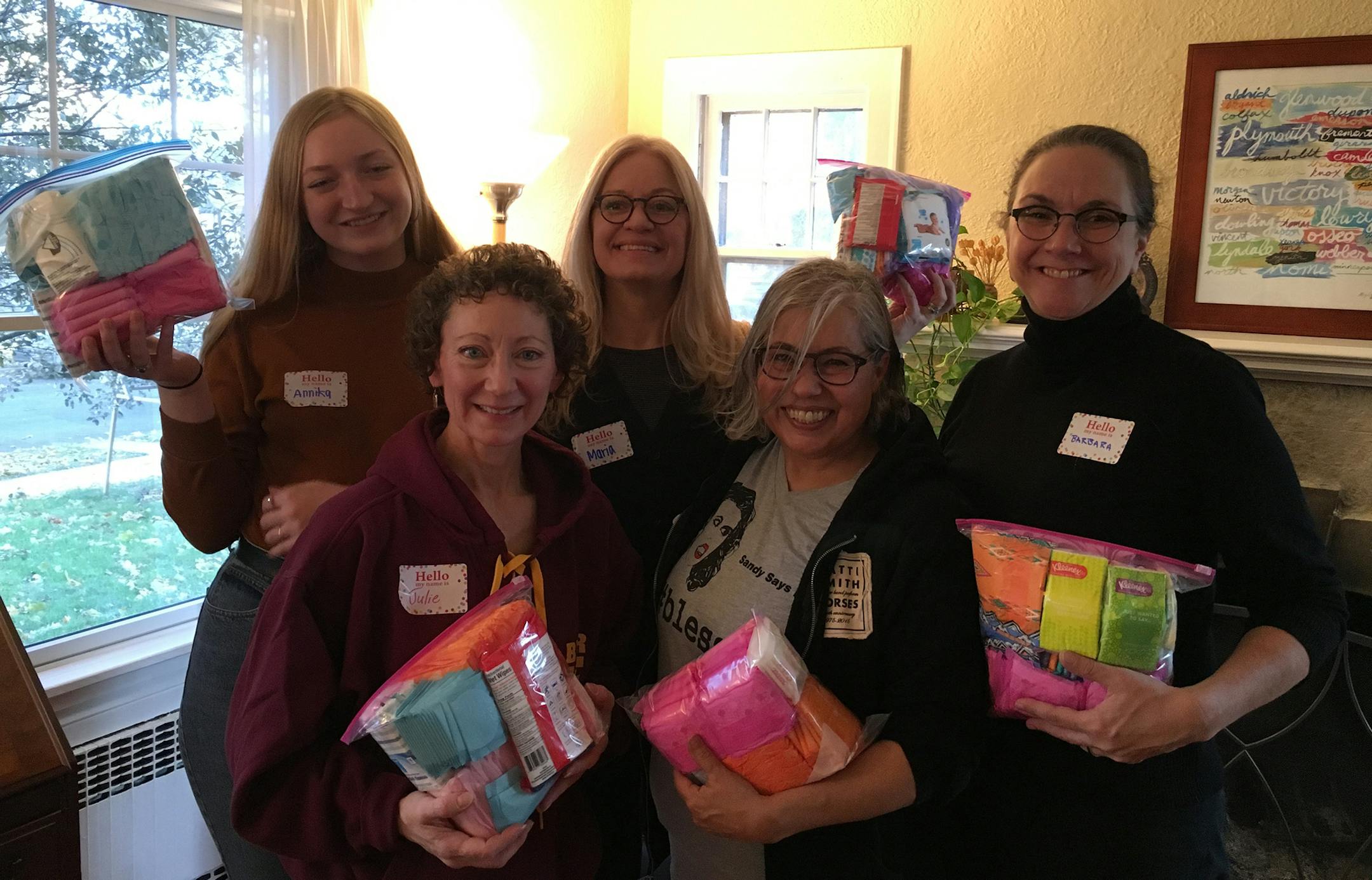
Talking about feminine products used to be taboo, but the very real need for them among low-income and homeless women has brought the issue front and center. Now, more organizations are augmenting food shelf drives by asking for donations of sanitary supplies along with pasta and peanut butter. And more Minnesota women are stepping up to help.
"There's a resurgence of feminist fire in so many areas of life right now," said Lisa Walden, a generational consultant for Minneapolis-based Bridgeworks. "Many women are no longer willing to act like a basic fact of life is gross, shameful or should be hidden."
Some agencies that work with disadvantaged women have taken up the cause, framing it as a dignity issue.
At People Serving People in downtown Minneapolis, which provides families with transitional housing, female residents are provided with the necessities without having to request them.
"Basic needs are more than food and shelter, and this is a hidden need," said Noah Gerding, the nonprofit's development director. "We now distribute the products in colored plastic bags rather than clear ones. It's a small change, but we want to think about the privacy of our guests while they're living through an uncertain time."


