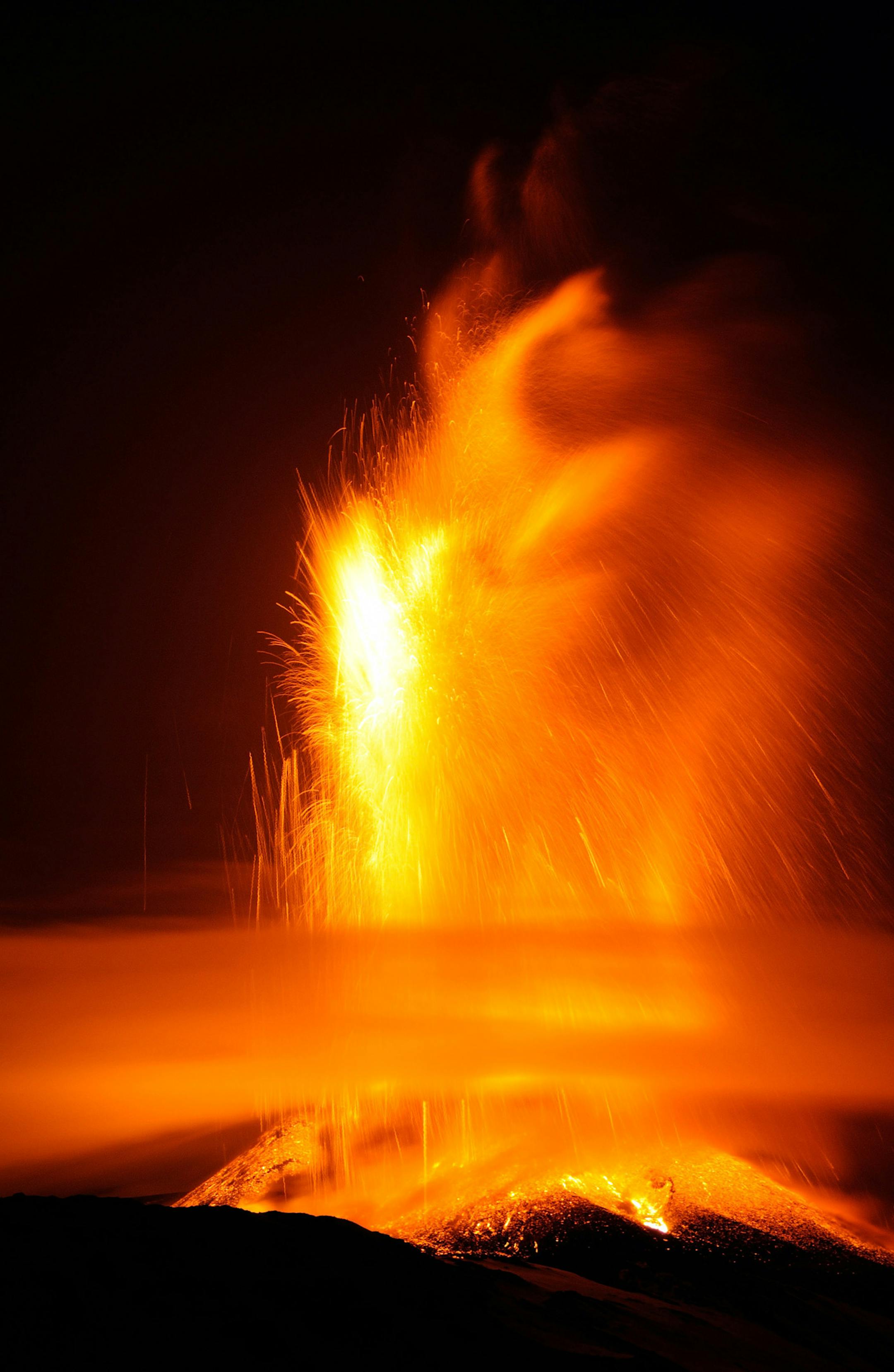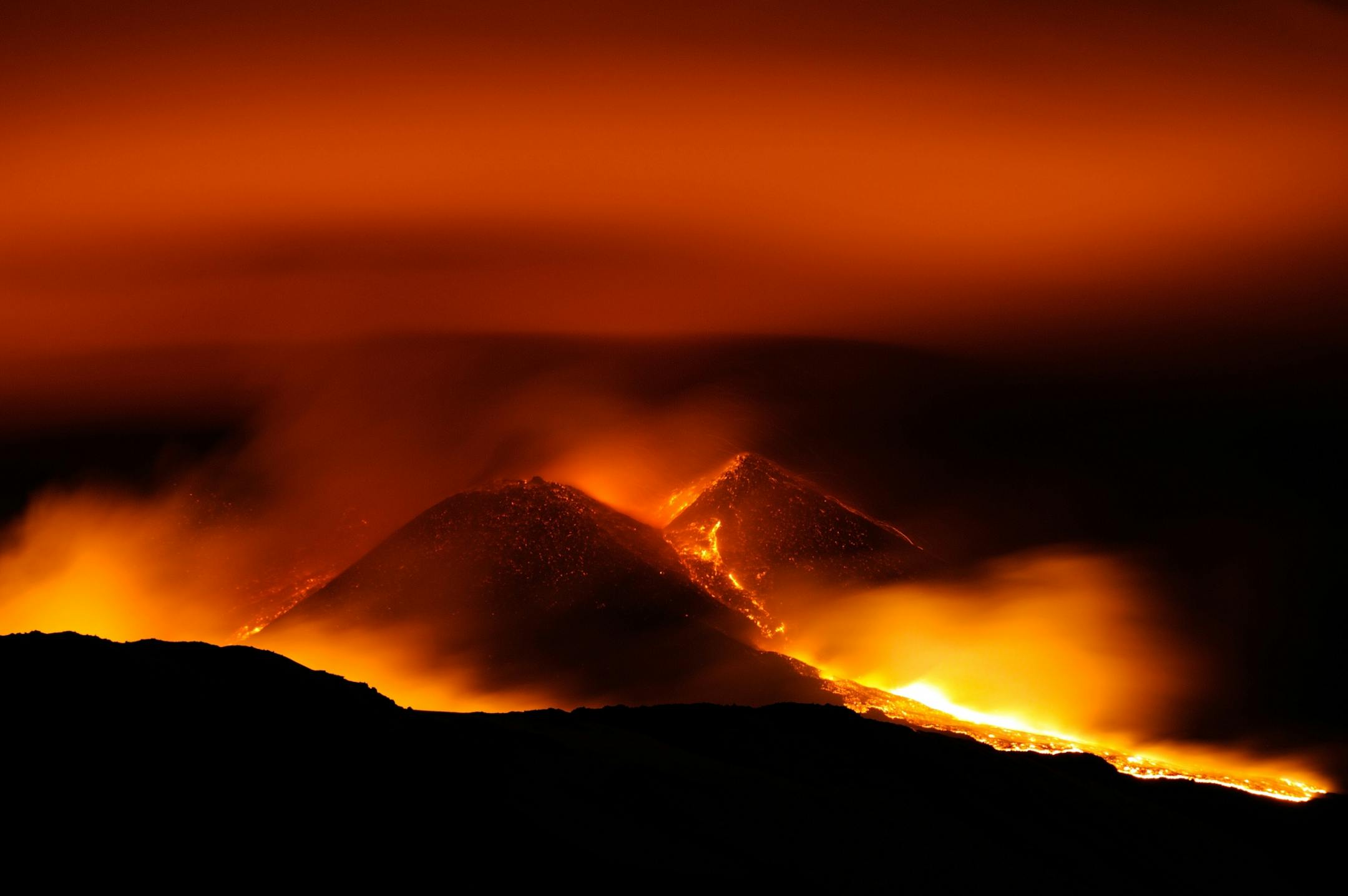
Global average temperatures have been rising in recent years, but not as much as they might have, thanks to a series of small-to-moderate-sized volcanic eruptions that have spewed sunlight-blocking particles high into the atmosphere.
That's the conclusion of a new study, which also finds that microscopic particles derived from industrial smokestacks have done little to cool the globe.
Between 2000 and 2010, the average atmospheric concentration of carbon dioxide — a planet-warming greenhouse gas — rose more than 5 percent, from about 370 parts per million to nearly 390 parts per million.
If that uptick were the only factor driving climate change during the period, global average temperature would have risen about 0.2C, says Ryan Neely III, an atmospheric scientist at the University of Colorado, Boulder. But a surge in the concentration of light-scattering particles in the stratosphere countered as much as 25 percent of that potential temperature increase, he said.
According to satellite data, a measure of the light-scattering ability of the stratospheric particles, called aerosols, rose between 4 and 7 percent each year between 2000 and 2010. (The more incoming sunlight is scattered back into space, the stronger the cooling effect.)
But researchers have debated the source of those aerosols, Neely said. While many teams have suggested that the aerosols came from small-to-mid-size volcanic eruptions, a few others have proposed that they originated in Asian smokestacks.
Now, by using a computer model that includes processes due to global atmospheric circulation and atmospheric chemistry, Neely and his colleagues showed that the human contribution of aerosols to the stratosphere was minimal in that time.
In one set of simulations, the researchers estimated the effects of all known volcanic eruptions. The pattern of stratospheric particulate variations during the past decade "shows the fingerprint of volcanoes, with the right episodes showing up at the right time," says William Randel, an atmospheric scientist at the National Center for Atmospheric Research in Boulder. "This is very convincing to me."