![Neil Smarjesse, a National Park Service Land Manager and Biologist, made his way through Coldwater, Tuesday, September 13, 2016 in Minneapolis, MN. The 27-acre tract that once housing cutting-edge federal mining research has made big steps toward returning to the oak savanna prairie that the builders of Fort Snelling encountered when they arrived. ] (ELIZABETH FLORES/STAR TRIBUNE) ELIZABETH FLORES • eflores@startribune.com](https://arc.stimg.co/startribunemedia/XWKEY5F3OJX4ALT6RUM6TVWJEQ.jpg?&w=1080)
In his fourth year on the job, Neil Smarjesse is only now beginning to see the payoff from his labors.
Working with two seasonal assistants and hundreds of volunteers, the National Park Service biologist is overseeing the conversion of 29 buckthorn-infested acres just outside Minneapolis into a semblance of what it was nearly 200 years ago.
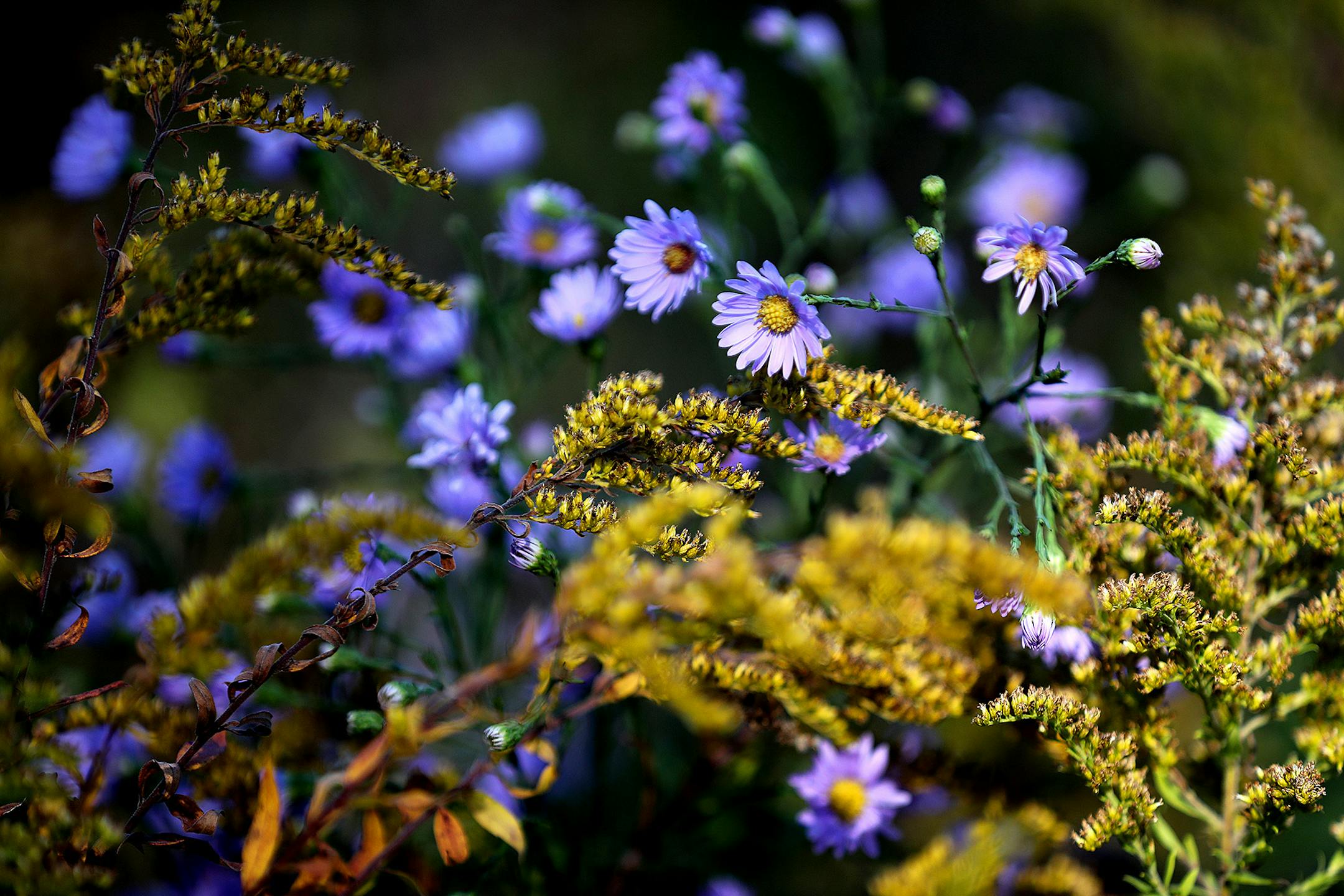
There is the restored prairie that now waves with grasses and wildflowers. The wetland of plantain, arrowhead and rushes that has been three years in the making. The oaks where the ground has been cleared for the planting by volunteers on Saturday of thousands of pots of grasses and forbs.
All this is happening on a piece of surplus federal land past which thousands of commuters drive unknowingly each day, virtually in the shadow of Minneapolis-St. Paul International Airport. The former site of a research complex for the federal Bureau of Mines is sandwiched between Fort Snelling State Park and Minnehaha Park.
The goal is to create a haven where Twin Citians can experience nature and get a glimpse of what the area looked like when the first white settlers arrived in an area inhabited for eons by native residents.
It's also the only non-island parcel of land that is owned and managed by the Mississippi National River and Recreation Area (MNRRA), a federal designation that follows 72 miles of the Mississippi River through the Twin Cities. The Park Service got the land because the Bureau of Mines is a sister agency within the Interior Department.
"It's kind of our signature," Smarjesse said. "That's why we spend so much time here."
Perhaps the signature image for what's called the Coldwater Spring unit is a stiff goldenrod plant in the prairie loaded with 22 monarch butterflies, a photo taken by volunteer Denny Appleman a year ago. It captures the emerging importance of the site for natural habitat.