

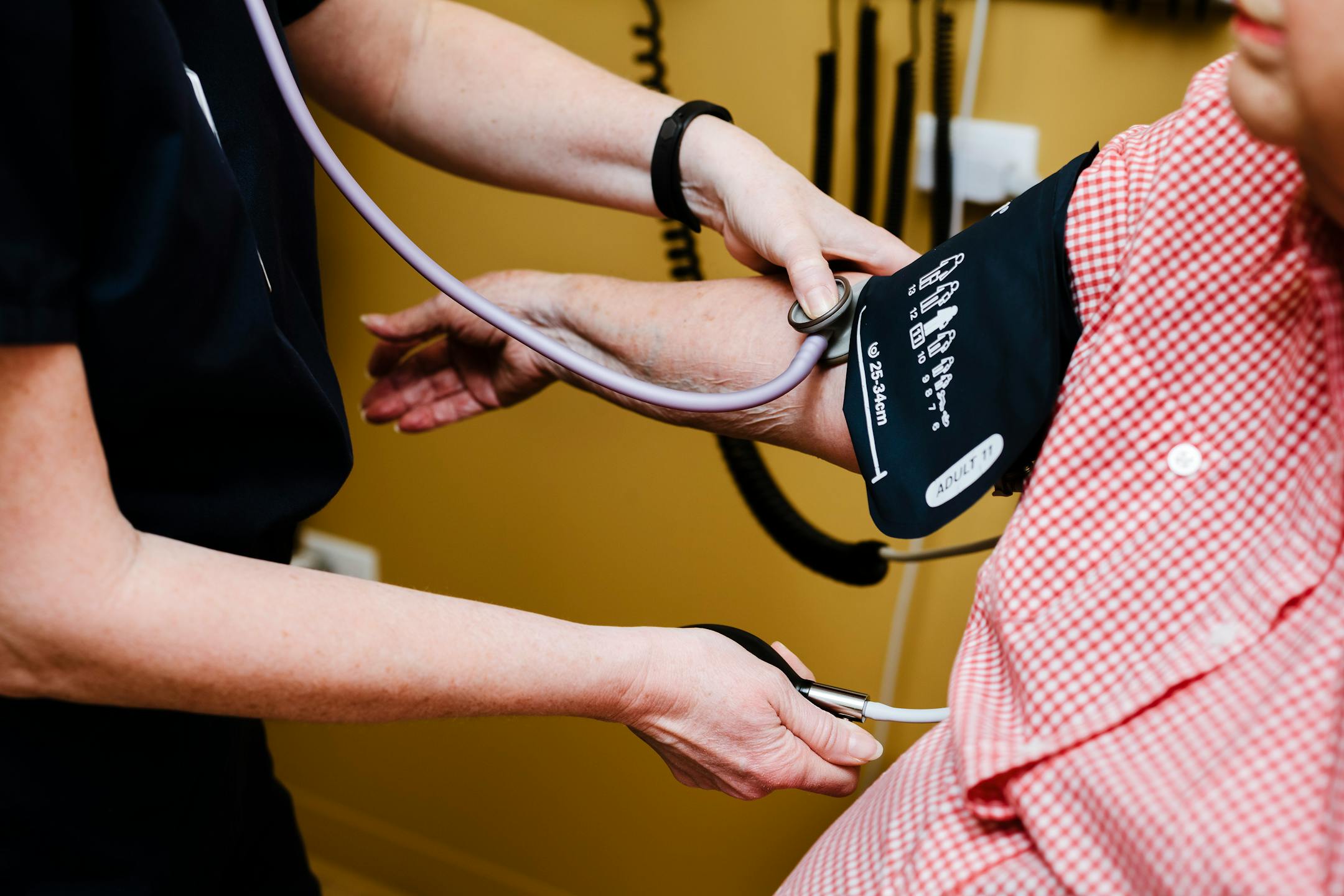
Online patients improved their blood pressure just as much as in-person patients, according to a HealthPartners study that builds the case for virtual care as more than just a stopgap during the COVID-19 pandemic.
More than 3,000 patients with uncontrolled blood pressure were split for the study into two groups — one receiving online care and the other receiving in-person care at one of nine HealthPartners clinics in Minnesota or western Wisconsin.
Study results showed both groups made equivalent progress, dropping their blood pressure just below the threshold for stage 2 hypertension, which presents an increased risk for heart attacks and stroke. The aggregate blood pressure in the online group was 157/91 at the start and 139/81 a year later, according to the study published Tuesday in the medical journal Hypertension.
The findings should give clinicians added confidence in their ability to manage chronic diseases virtually, said Dr. Karen Margolis, a lead author of the HealthPartners' report. The study launched in 2017 as virtual care was already becoming more popular, but took on added importance amid the pandemic, she added.
"When COVID hit in 2020 and telehealth exploded, many people wondered whether it was as effective or how it would impact outcomes. These findings show it's a safe and effective alternative to in-person care for managing high blood pressure," she said.
Initially, less than 30% of patients in either group rated their clinical care at nine or higher on a 10-point scale, but six months later almost 40% of the virtual group reported that level of satisfaction, the study showed.
Virtual care in the study consisted of blood pressure self-checks by patients at home and regular phone calls with pharmacists or nurses to manage their hypertension medications. The average age of study participants was 60.
The satisfaction finding is significant, because happier patients are likely to stick with their doctors' treatment plans, Margolis said. "We're consistently finding that for those who want it, it's an effective approach to care, and we should consider making it a more widely available option."


