

What ends lives? Gunfire.
What saves lives? The sound of gunfire.
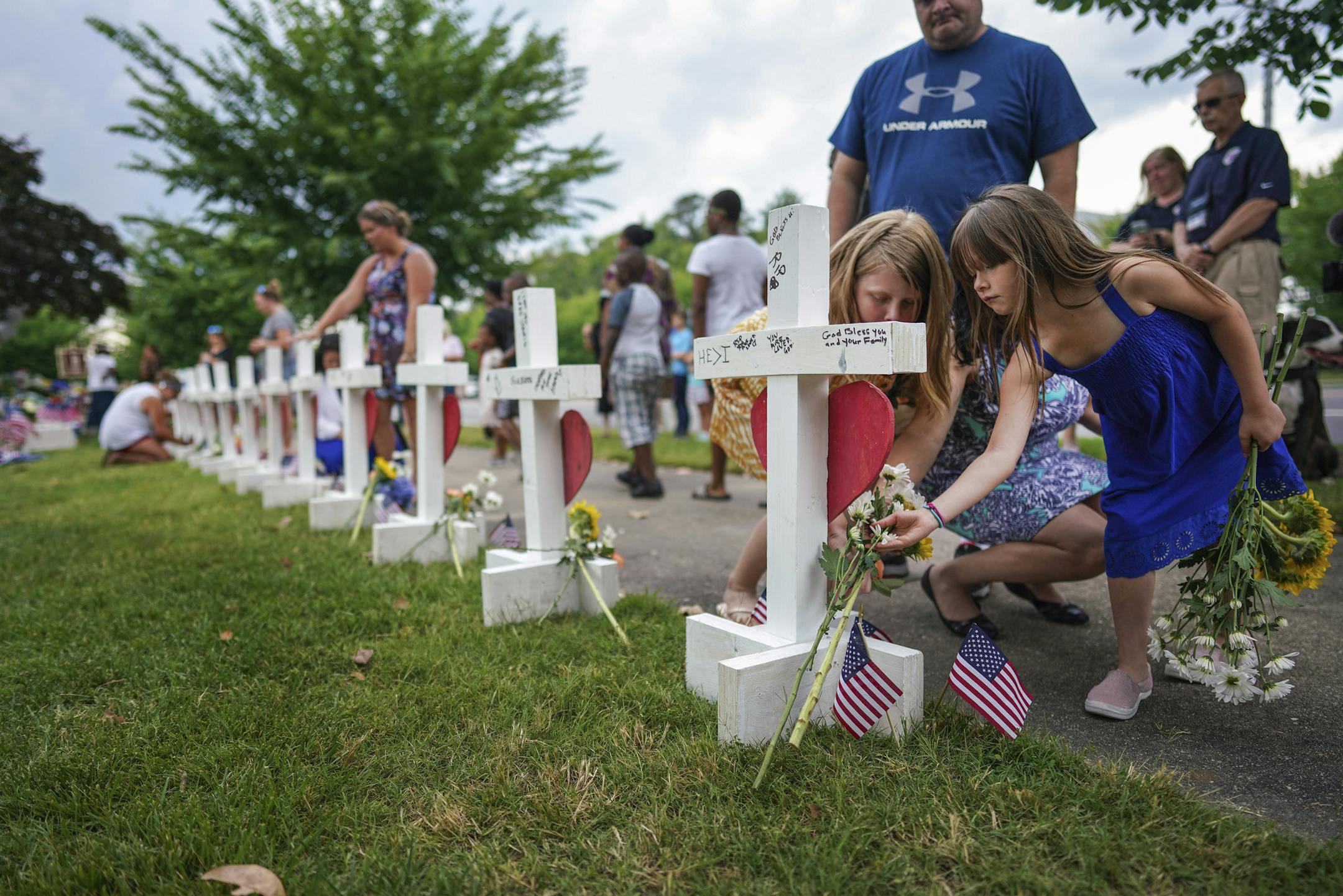
The Virginia Beach shooting on Friday when an employee of the city government killed 12 people — 11 of whom were his co-workers — is notable only for its familiarity. Another mass shooting. In fact, it was the worst mass-casualty event anyone can remember since … November 2018, at the Borderline Bar and Grill in Thousand Oaks, Calif.
But details of the rampage include one fact unique to the growing list of active-shooter cases: the assailant used a .45-caliber handgun with extended magazines and a barrel suppressor. This small detail — that the loaded gun was fitted with simple, and lawful, "silencing" equipment — threatens to upend how we understand and train for active-shooter cases in the future.
Gun violence in America is unique not simply because of our culture but also because we have lawful weaponry that can kill many people very quickly. In terms of death-to-time ratio, single-shot weapons are preferable to multi-round handguns and handguns are preferable to the semiautomatic, and the favorite of mass shooters, the AR-15. It's a simple calculation of time.
But the Virginia Beach killer seemed to want the anonymity of silence, a tool of the coward, not one seeking fame or a blaze of glory. None of the videos or manifestos we've seen from New Zealand to Las Vegas appear to be part of the Virginia Beach story. The killer wanted silence.
Silence is the enemy of time. An entire "run, hide, fight" policy that governs every school, workforce and the first-responder community in active-shooter cases is conditioned on an important premise: that there is situational awareness that shots have been fired, bullets are flying and it's always best to run the other way. Once you know where the bullets are coming from, you can — as I tell my own kids — "sprint if you can; duck if you can't; and fight only if you must. I only have one of each of you."
Bystanders can run from the gunfire only if they know where it is coming from. This is why the best active-shooter training focuses on access to building or school exits and open, but protected, spaces so that potential victims can get out of the way.


