There are days when John Maloney wonders why he ever decided to start a winery. "Sometimes several times a day," he admits.
For starters, there's a massive upfront investment of money and labor, a barrel full of planning and planting and building, with several years before a cent of revenue comes in. Then the plan and people -- for growing, winemaking and marketing -- must be in place. And, oh yeah, this is Minnesota we're talking about.
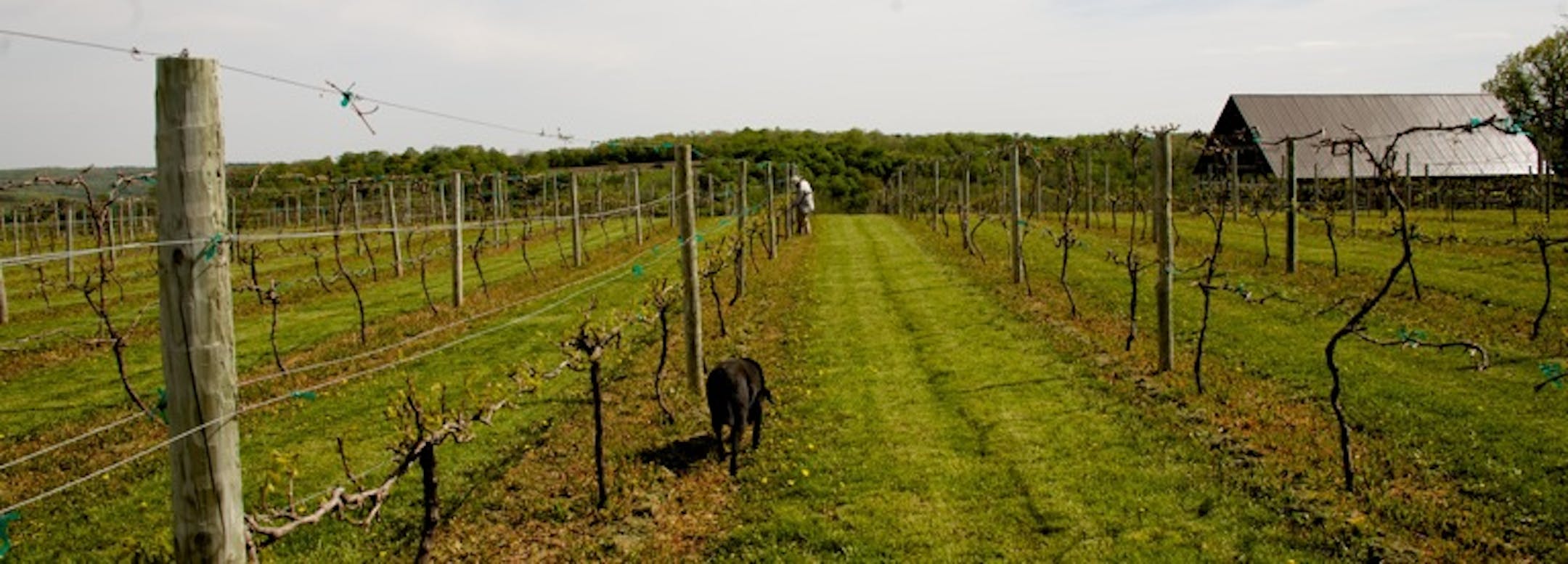
"This business isn't for the faint of heart," said Maloney, as 40-mile-per-hour wind gusts batted us about on his hilltop vineyard south of Cannon Falls. "I'm very lucky, though, and I'm reminded when people come up here and see what we have."
The affable Maloney is too modest to say so, but he surely takes equal pleasure when he sips the fruits of his labors. Cannon River Winery is making some truly tasty wines, and not just by Minnesota standards.
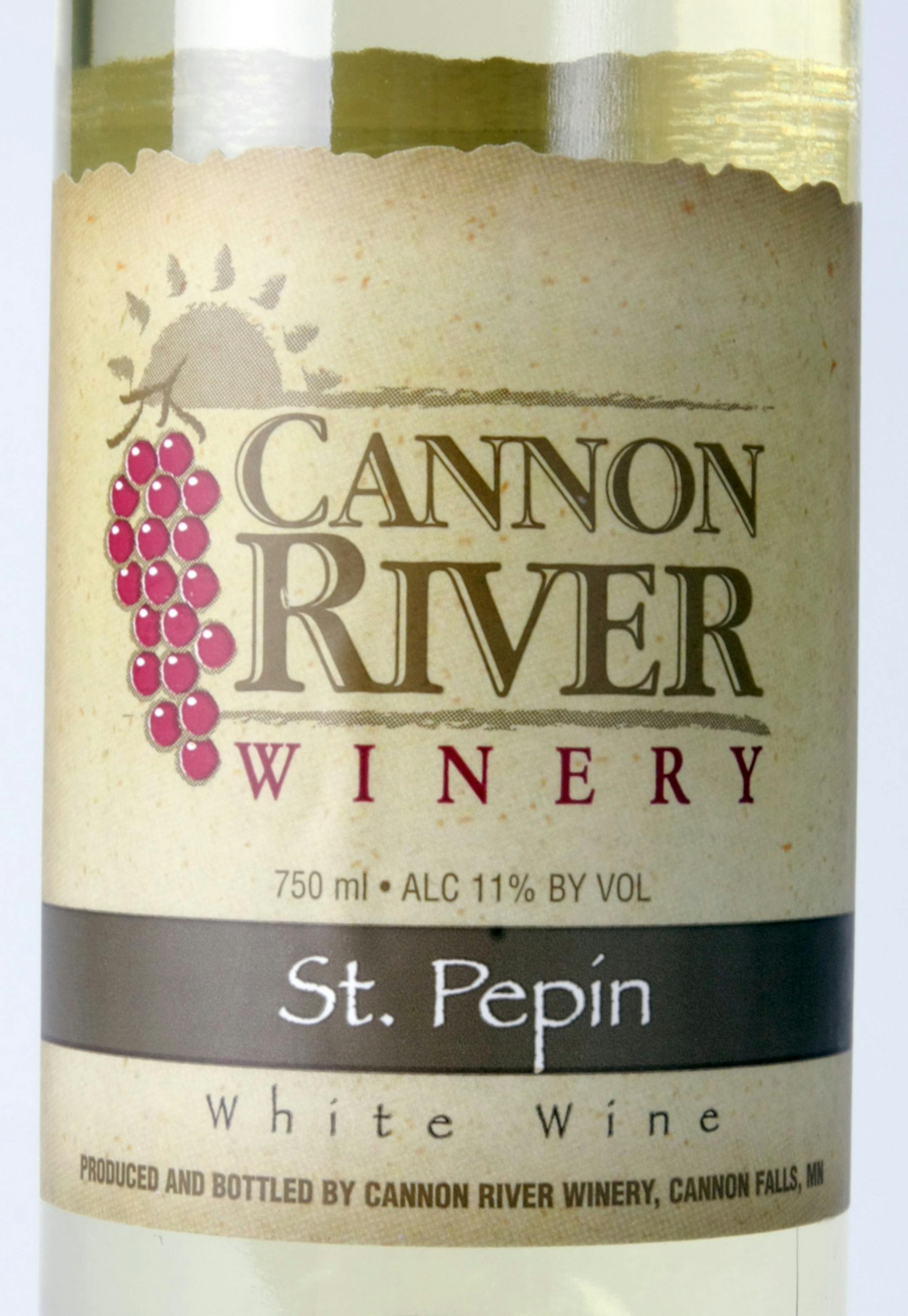
Its red, white, pink and fortified bottlings, deftly made by Colombian Vincent Negret, are perhaps the best array of local wines here. And thanks to the work being done at Cannon River, Alexis Bailly, Northern Vineyards, Winehaven and other wineries in the state, along with a crack research team at the University of Minnesota, the once-bleak local wine landscape has a very promising future.
There's been a lot to overcome, even more than Maloney figured. The harsh winters -- and the limits they place on the grapes that this seasoned horticulturalist can grow -- are just part of it. Spring, summer and fall are no picnics, either, with the distinct possibilities of late frost killing the first buds, bone-dry stretches requiring irrigation and wicked storms unleashing public enemy No. 1 for emerging grape clusters: hail ("a huge enemy, Maloney said. "I notice that a lot of established wine regions in the world don't have hail. Hmmm.").
Maloney anticipated all of those problems -- but not public enemy No. 2: birds, which pick at grapes as they get more sugary, "inviting all kinds of bacteria and rot."
"I got this Bird Guard Device, but they ignore all that kind of stuff. I've had a speaker in the corner of the vineyard and they're sitting on top of it wondering what all the ruckus is about," said Maloney. "We're pretty much committed to going to netting full time. You get to that point of the season and the last thing you want is giving up some of [the crop] to the birds."