Buccaneers defensive coordinator Todd Bowles threw Gary Kubiak a curveball, which the Vikings offense struggled to hit throughout Sunday's 26-14 loss in Tampa Bay.
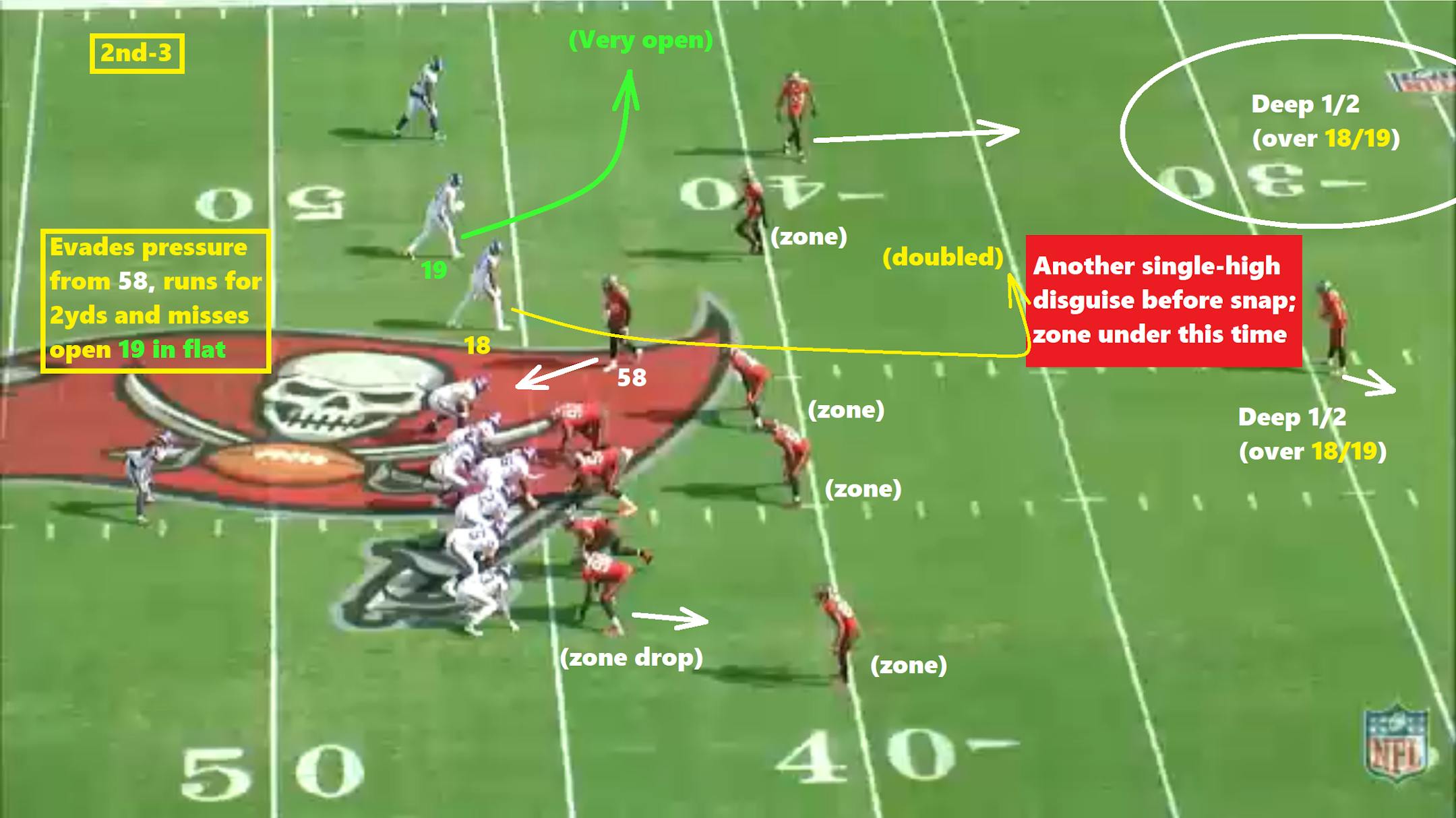
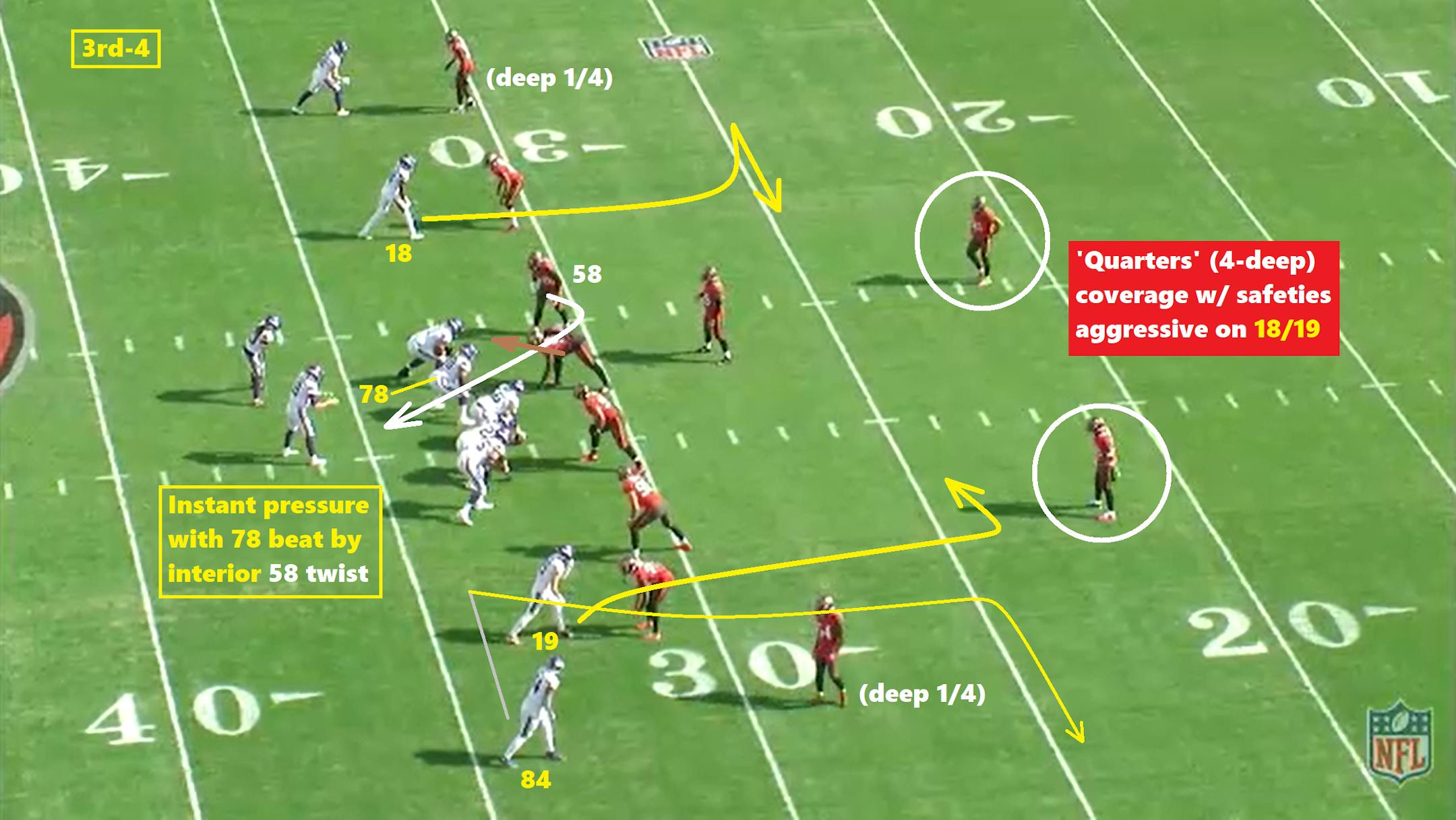
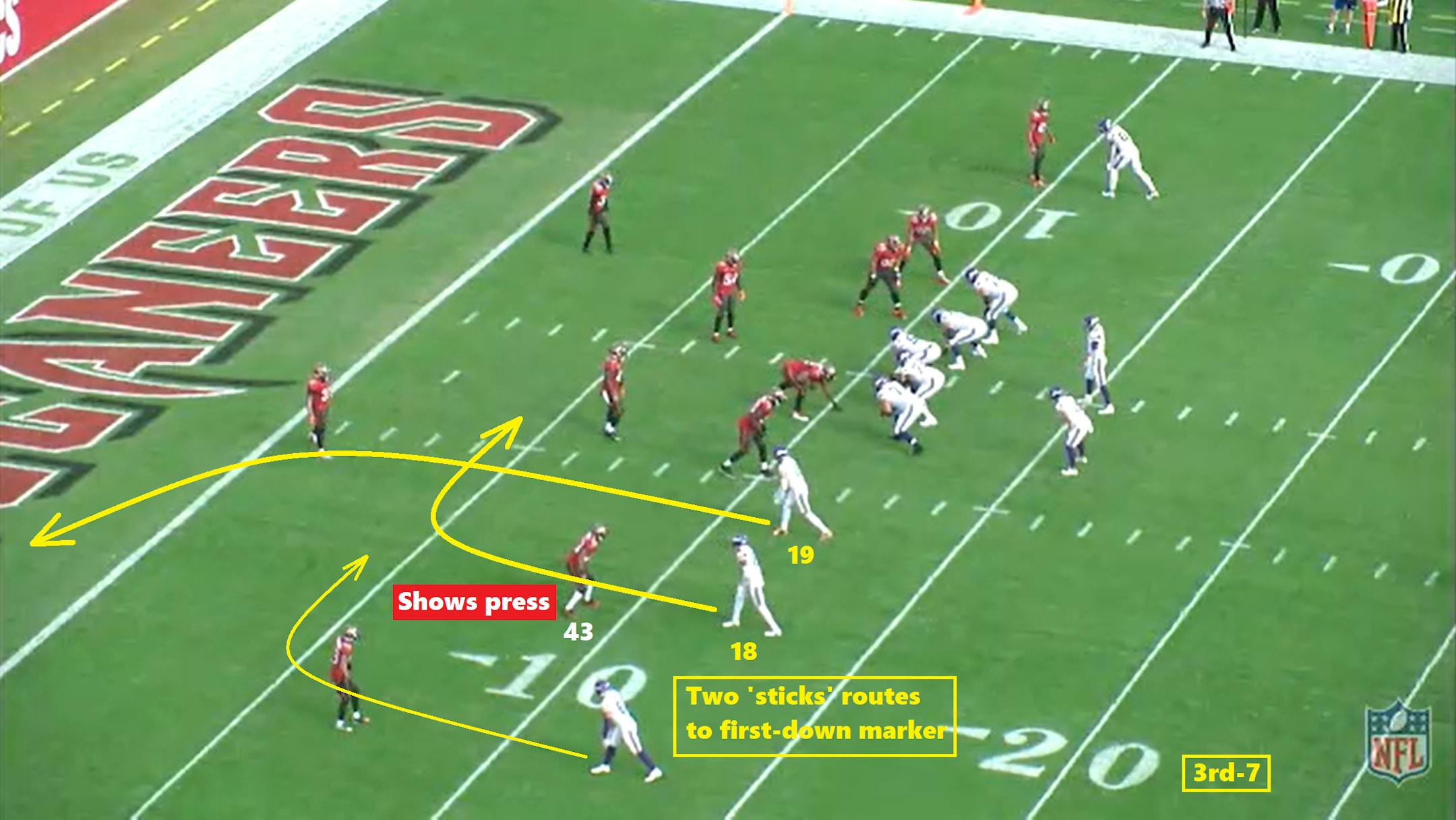
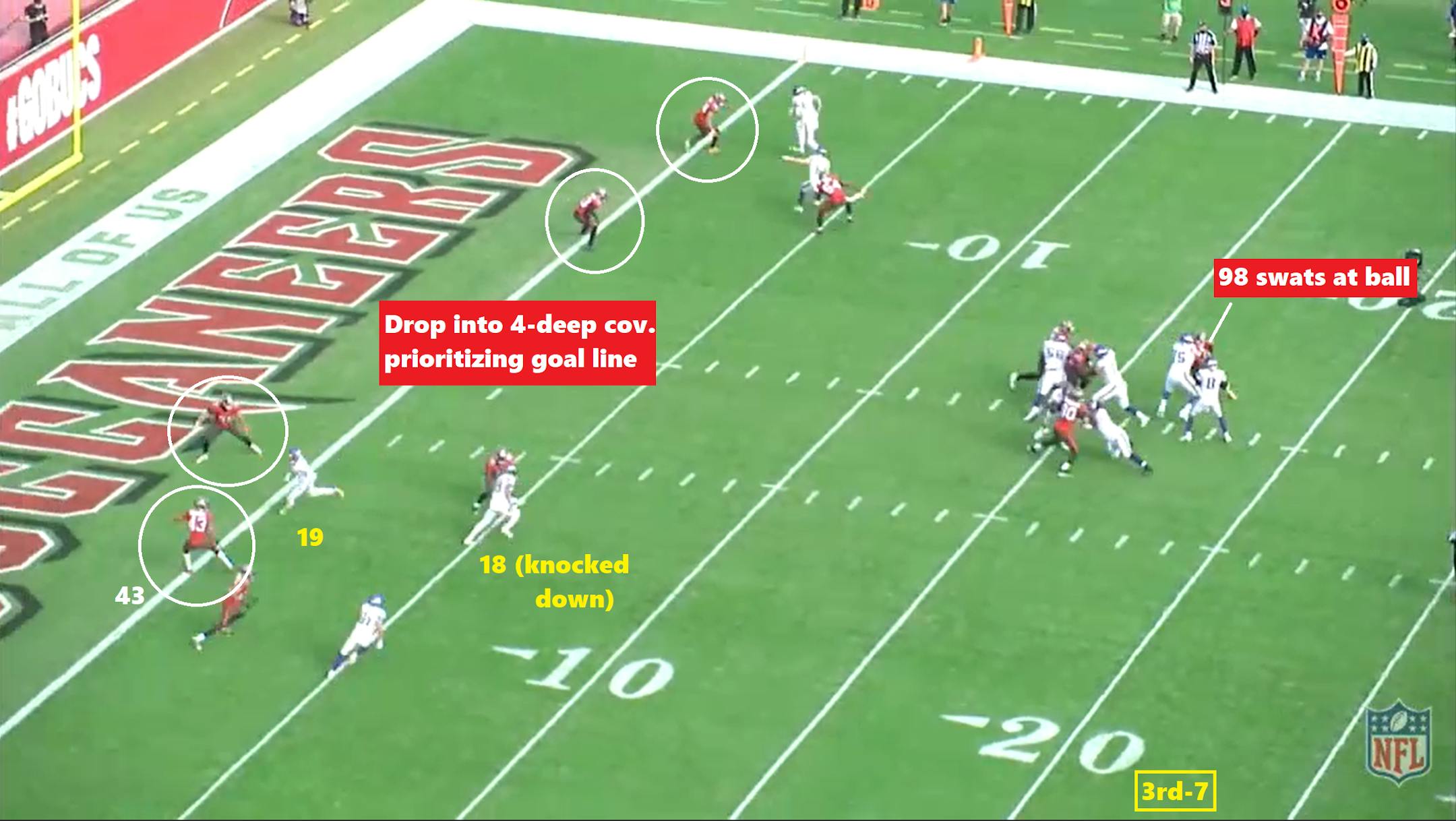
Running against the NFL's No. 1 run defense turned out to be easier than expected as the Buccaneers backed off their typical blitz-happy approach, choosing instead to take away receivers Justin Jefferson, Adam Thielen and Minnesota's explosive passing attack.
Tampa Bay entered Sunday with a 39% blitz rate ranking among the top five in the NFL, but quarterback Kirk Cousins saw those aggressive Bucs fronts transform into deep blanket coverages. The Vikings' downfield bite was taken away as a strong Tampa Bay front did just enough against Dalvin Cook.
"It's one of those things where you prepare for something, and you have a good idea of what their kind of identity is on defense," Thielen said, "but each team has different things that they can do to try to stop what we do well. But yeah, it wasn't exactly what we'd seen on film."
Thielen and Jefferson combined for seven catches and 78 yards, the duo's lowest output in a game together outside of the 40 mile-per-hour gusts at Lambeau Field. Cousins had just one of 37 throws gain more than 20 yards.
—
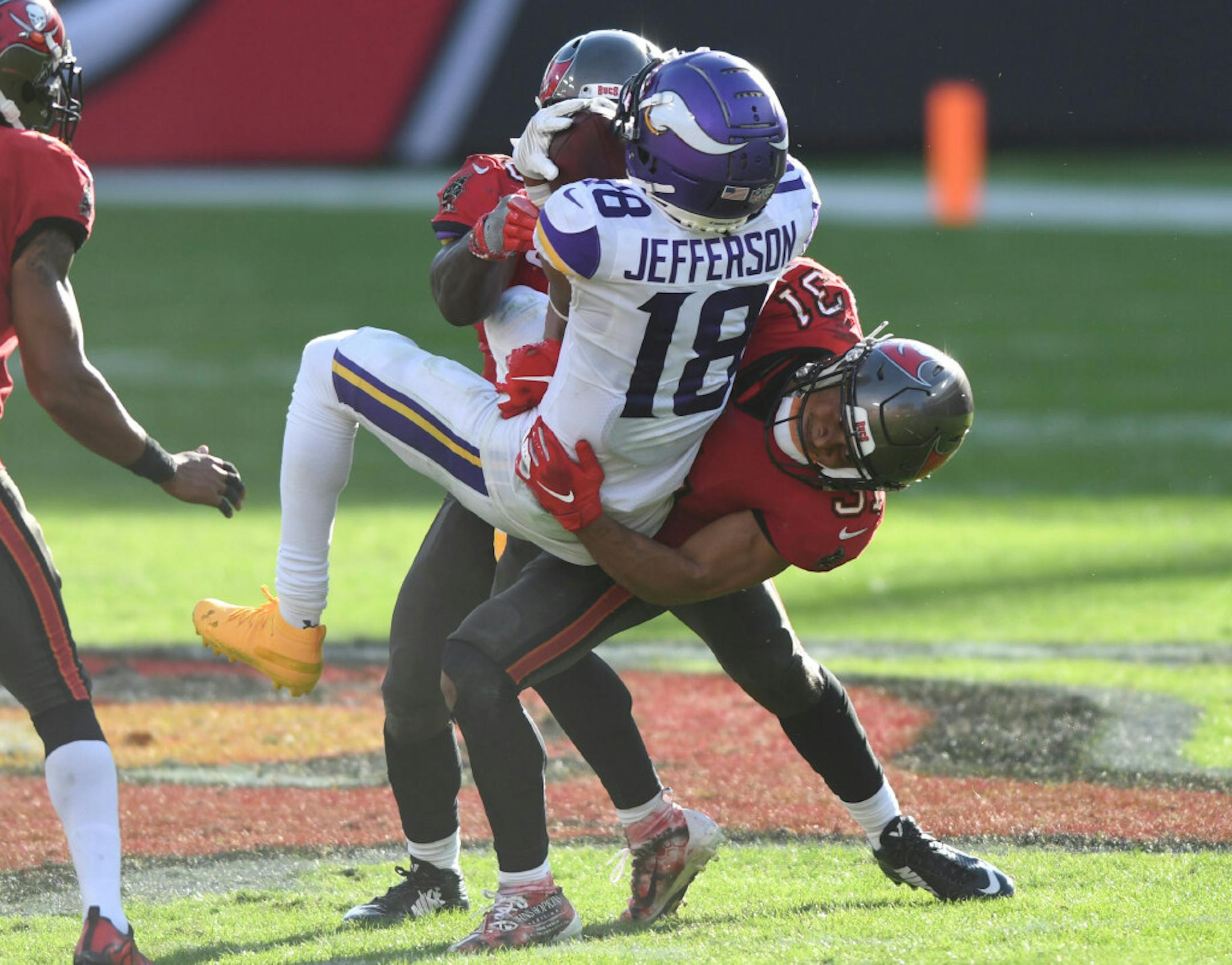
1. Football is aggressive real estate acquisition, they say, and the Vikings struggled early with the Bucs' physical pass defense. Tampa Bay is known for an overpowering run defense, but the Bucs brought that mentality to the pass against the Vikings (while Cook dominated with 78 yards and a touchdown by halftime).
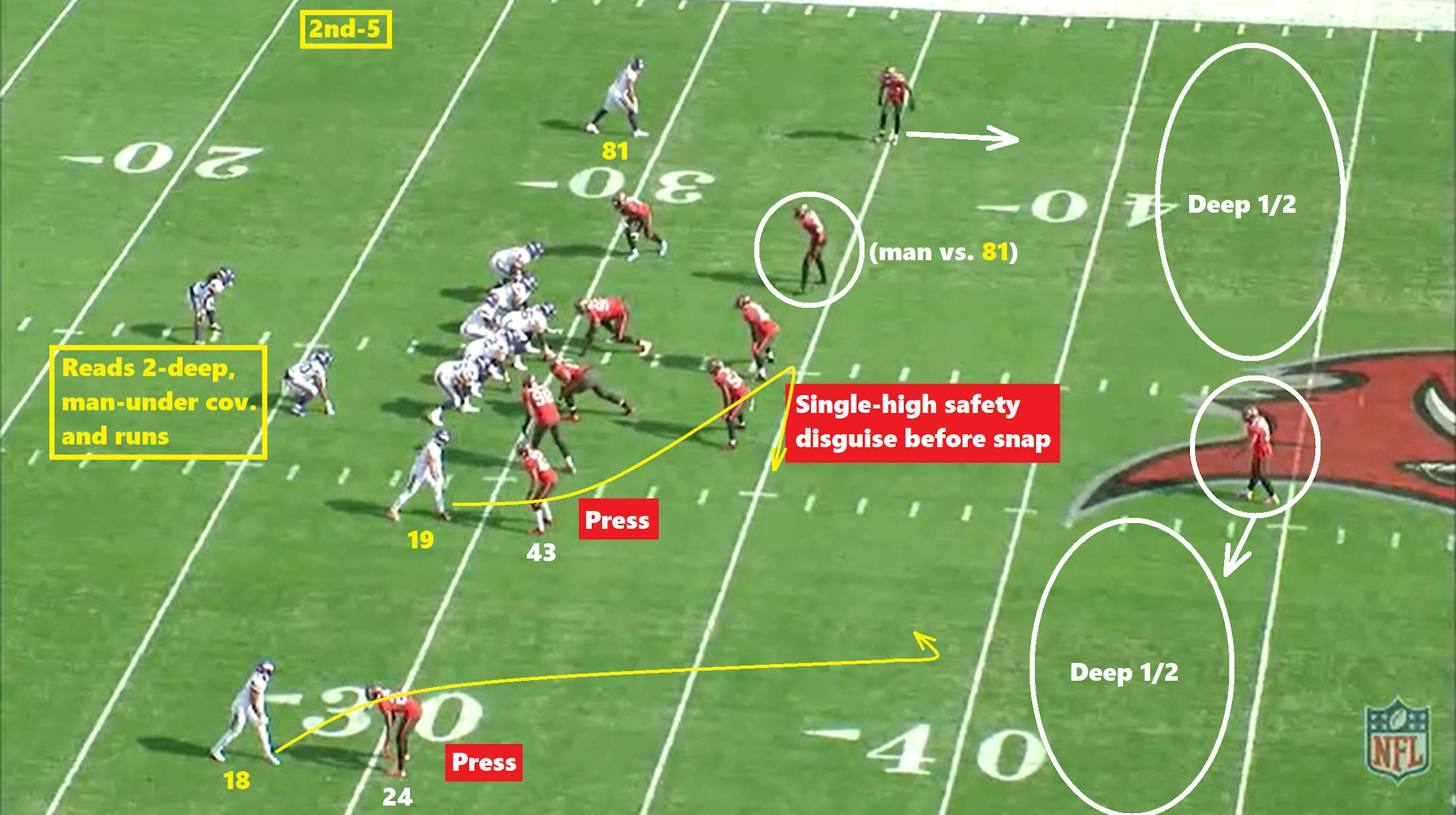
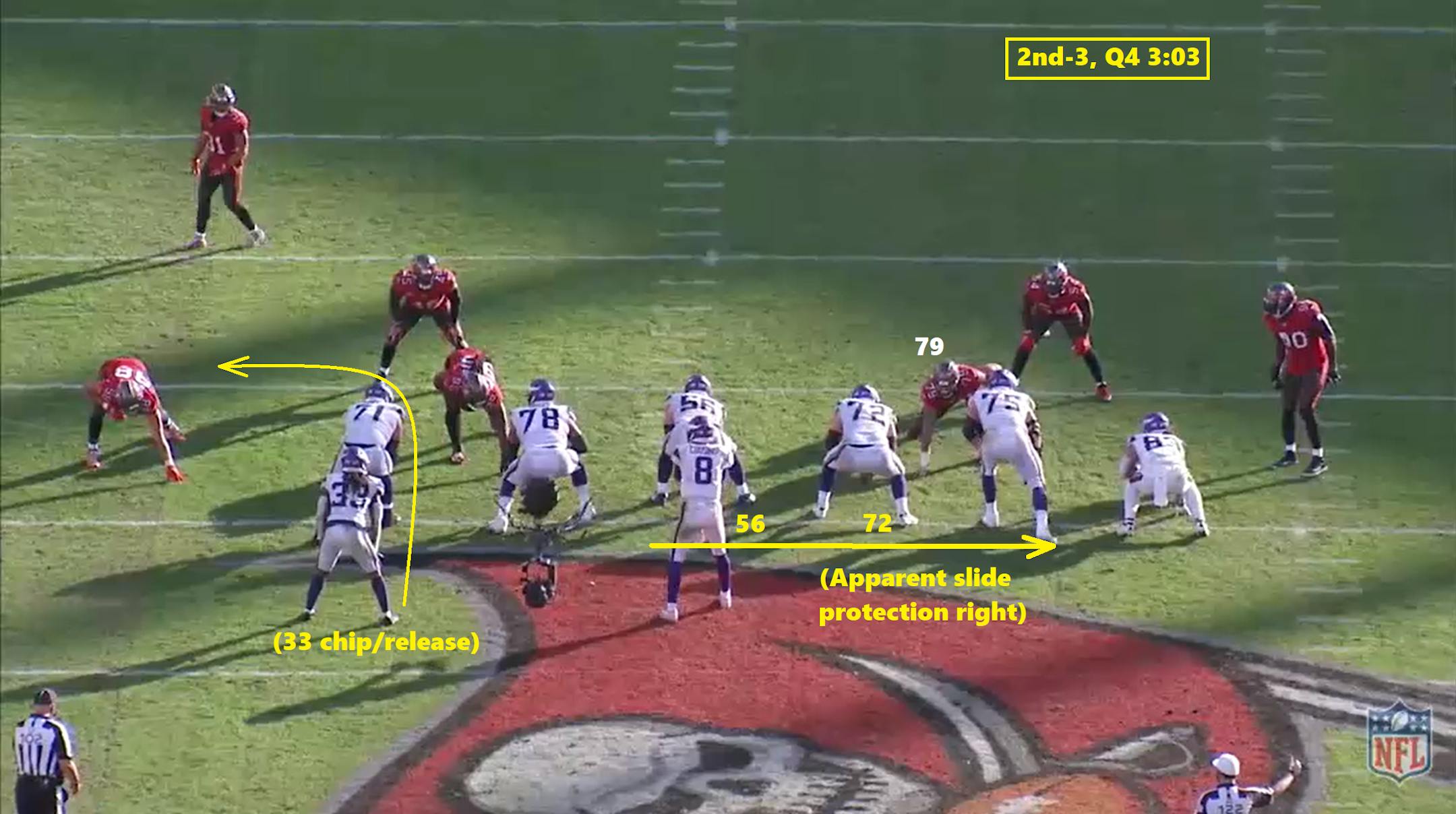
On Cousins' first dropback of the game, the Bucs disguise by showing an aggressive single-high safety defense with a seven-man box. Cornerbacks Ross Cockrell (#43) and Carlton Davis (#24) are pressing Thielen (#19) and Jefferson (#18) at the line.