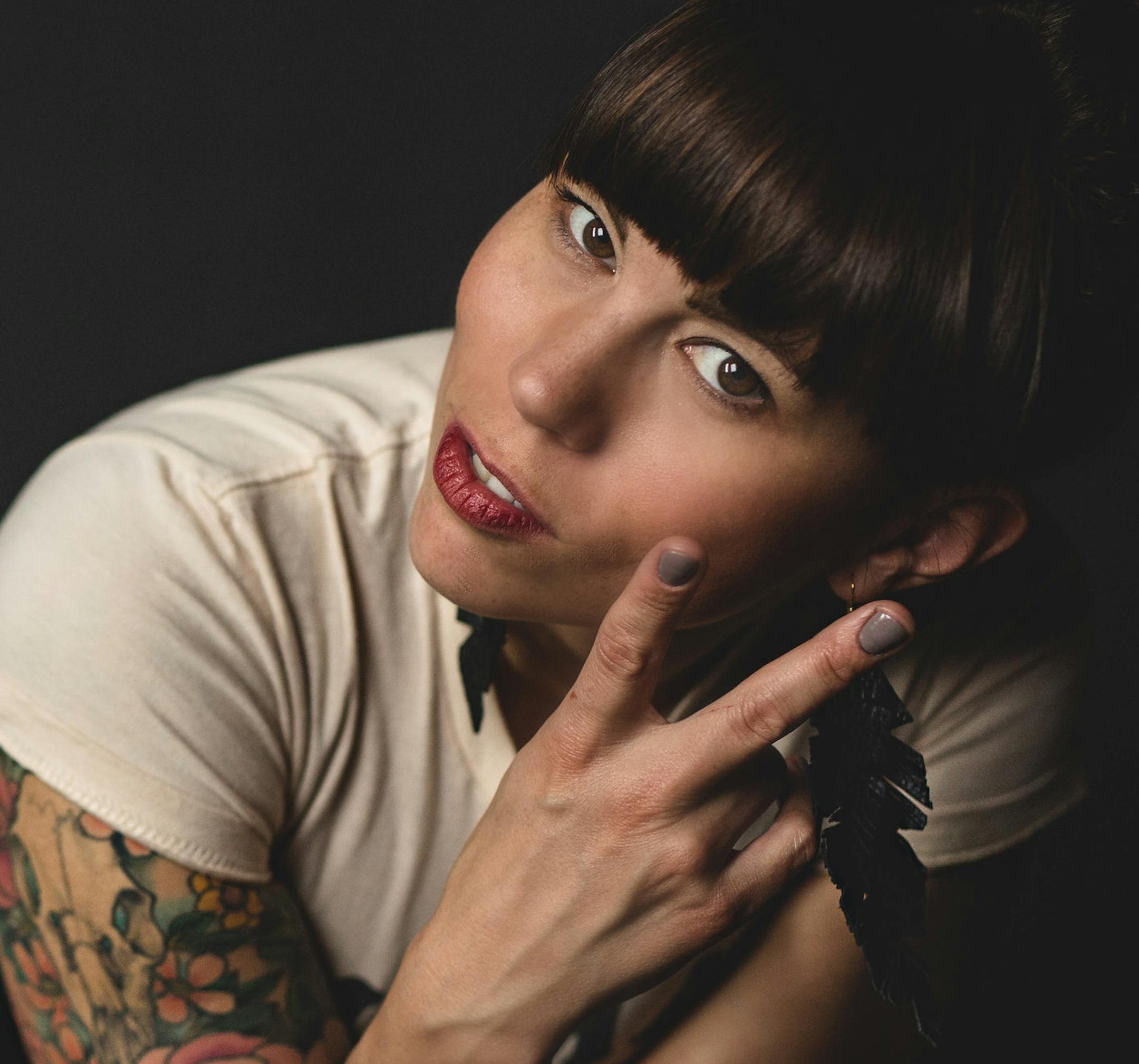
Athena Pelton gasped for air when she read the news: Brock Turner, a Stanford star swimmer, had been sentenced to just six months for raping an unconscious woman.
As the story erupted online, Pelton lost her appetite and couldn't sleep. That's when she decided it was time to tell her own story. In a public blog post Wednesday, Pelton, 35, of Blaine, wrote that she'd been sexually assaulted — three times — and that nobody knew. Until now.
"Giving voice to my story and finally setting it free meant releasing most of the shame and finally starting to heal," she said.
She's one of thousands of victims turning to Twitter, Instagram, Facebook and Tumblr to call for an end to the secrecy and the shame surrounding sexual assault. In a country where one in five women have been raped, according to the Centers for Disease Control and Prevention, Pelton and other victims are hoping their stories will change not just the conversation, but the culture.
"These stories are impactful, and those who are telling them become real people instead of nameless victims," said Jigna Desai, a professor in the Department of Gender, Women, and Sexuality Studies at the University of Minnesota.
"Many of them understand the deck is stacked against them in terms of the court system — they told, and nothing happened. With social media, there's a sense of community, an activist sensibility, that gives victims affirmation."
The Stanford rape became a national flash point, especially across the internet after a letter by the victim was posted online last week. The 7,244-word statement has been viewed more than 13.5 million times.
"What's unique about this particular story is that her story is every woman's story," said Jeanne Ronayne, executive director of the Minnesota Coalition Against Sexual Assault. "She talked about common experiences in such a raw and painful way that brings to life the way others feel. That's the gift she's given us through social media."