

Minnesota veterans who were deployed in Iraq or Afghanistan have returned to their families, friends, jobs or school. But rarely do they visit county veterans services offices — not even those vets with post-traumatic stress disorder.
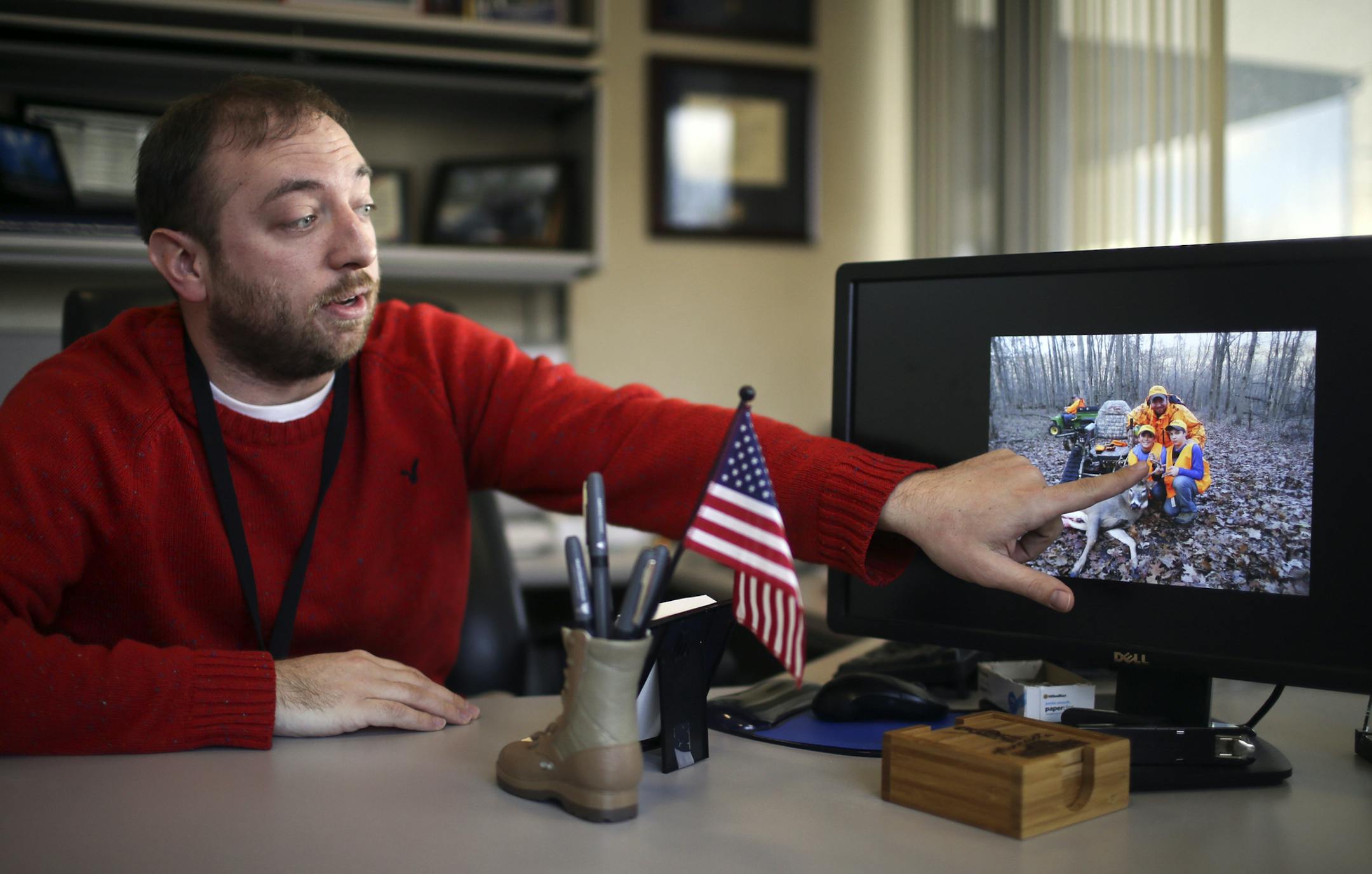
County officials have tried to lure young veterans into these service offices through billboard and newspaper advertisements, brochures and word-of-mouth — usually with little success. In Fillmore County, center director Jason Marquardt alerted young vets to his office while telling them about a new veterans cemetery under construction in southeastern Minnesota — anything to get their attention.
Pride, resistance to government programs and a preference to use the Internet are among the reasons some avoid the services offices, officials say. And there is the simple matter of age.
"Let's say you've just been deployed to Iraq or Afghanistan," said Milt Schoen, Hennepin County veterans services officer. "You are invincible. You're always going to be strong. You don't need to go to an office where somebody can tell you about benefits if you have PTSD."
The centers provide an array of services, from helping vets complete forms for government-paid medical assistance to providing financial and mortgage advice to directing people to resources on health and other issues. And while younger veterans' absence is more noticeable, it's not only they who have eschewed the offices.
"The older veterans don't want to come in because they think they're taking away something from younger veterans," Marquardt said. "The Vietnam, Korea or World War II guys either don't want anything to do with government or don't want to take anything."
In John Kriesel, Anoka County has a veterans services director who is a high-profile war hero, radio personality and former legislator. He says he has asked Veterans Affairs personnel to remind patients of the county services centers and has left brochures at the VA clinic in Ramsey.
Yet, Anoka County saw the number of visits to its center fall from 7,121 in 2012 to 6,337 last year. Sherburne and Olmsted counties report similar drops — from 3,742 visits in 2012 to 3,395 last year in Sherburne's case, and from 2,704 to 2,372 in Olmsted.
 djoles@startribune.com Minnesota veterans once deployed in Iraq or Afghanistan have returned to their families, friends, jobs or school. But rarely do they visit local veterans services offices n](https://arc.stimg.co/startribunemedia/CBJYDUUWLBDEWEN7R2IKR4IR3Q.jpg?&w=1080)


