

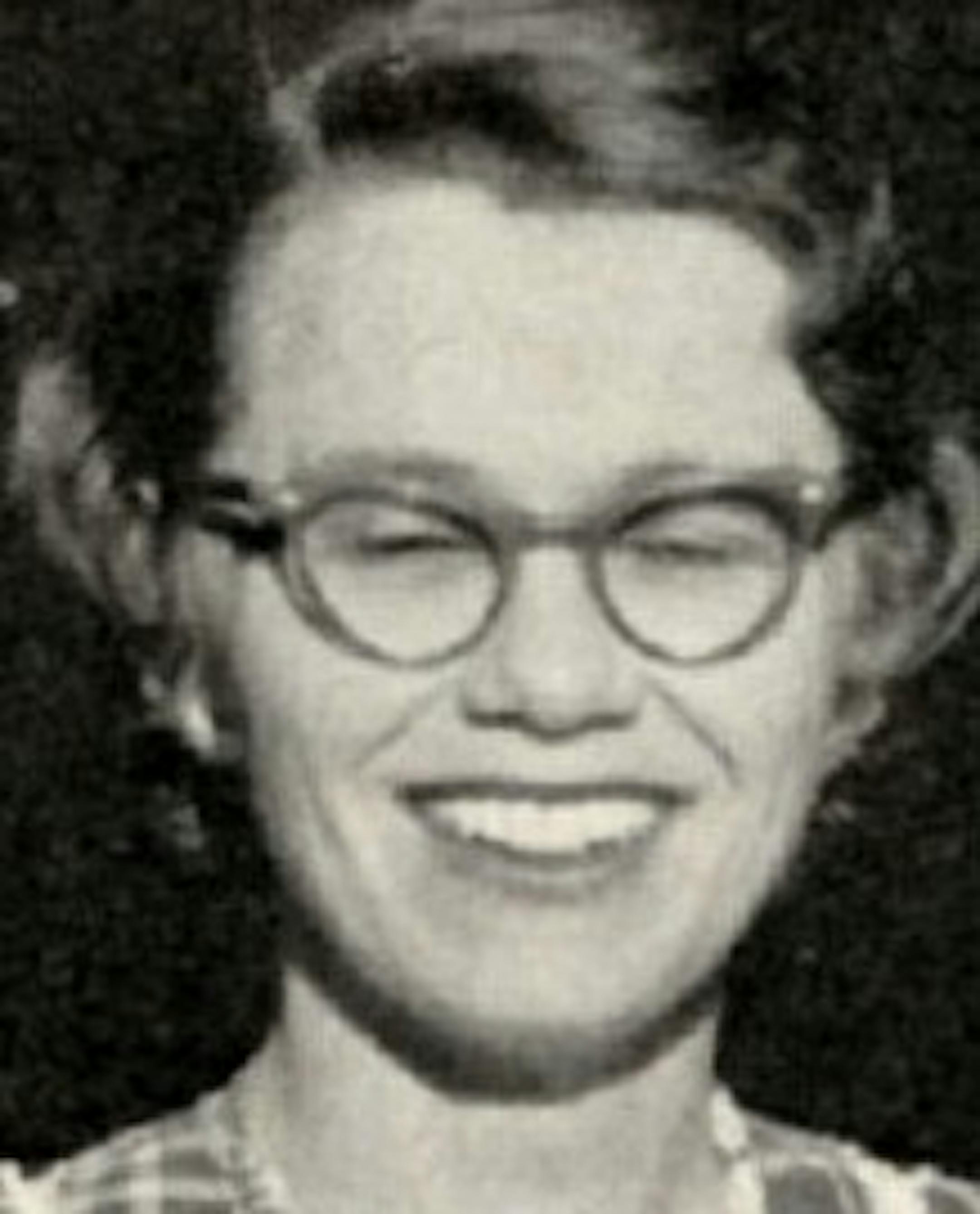
Verna Rausch was a pioneer in the medical laboratory science field during her 40-year career at the University of Minnesota.
Starting in the 1950s, she became a professor and director at what was then known as the Medical Technology program at the U. The program, started in 1922, was the oldest such program in the United States and referred to as the gold standard for its excellence, a reputation it maintains today. More than 4,000 students have graduated from the program, the most of any school in the country.
In 1956, Rausch and fellow professor Esther Freier wrote one of the first research papers on quality control in clinical labs, described by professional journals and colleagues as a seminal work on the subject.
Rausch, 95, died Jan. 18 of complications from dementia at Adagio Assisted Living Residence in St. Louis Park.
"She was a giant in the field," said Prof. Emerita Karen Karni, who was mentored by Rausch in the 1960s and later had an adjoining faculty office with her. "She did beautiful research and was well-respected."
Rausch, a lifelong Minneapolis resident, was raised on the city's North Side. She spent several years taking care of her ailing mother before attending college and graduating as a clinical chemist from the U's med tech program in 1945. She joined the faculty a year later, with an expertise in the analysis of blood and body fluids.
She might have considered medical school but finances and her interest in academics steered her to research, said her nephew Todd Bredesen, of Crystal. Since she rarely talked about her accomplishments, he learned more about her career only after she died, he said.
The 1956 paper by Rausch and Freier set the standard for quality control on analysis results from laboratory procedures, said Karni, whose specialty was immunohematology. Rausch was a joy to work with because of her fairness, wisdom and sense of humor, she said.


