

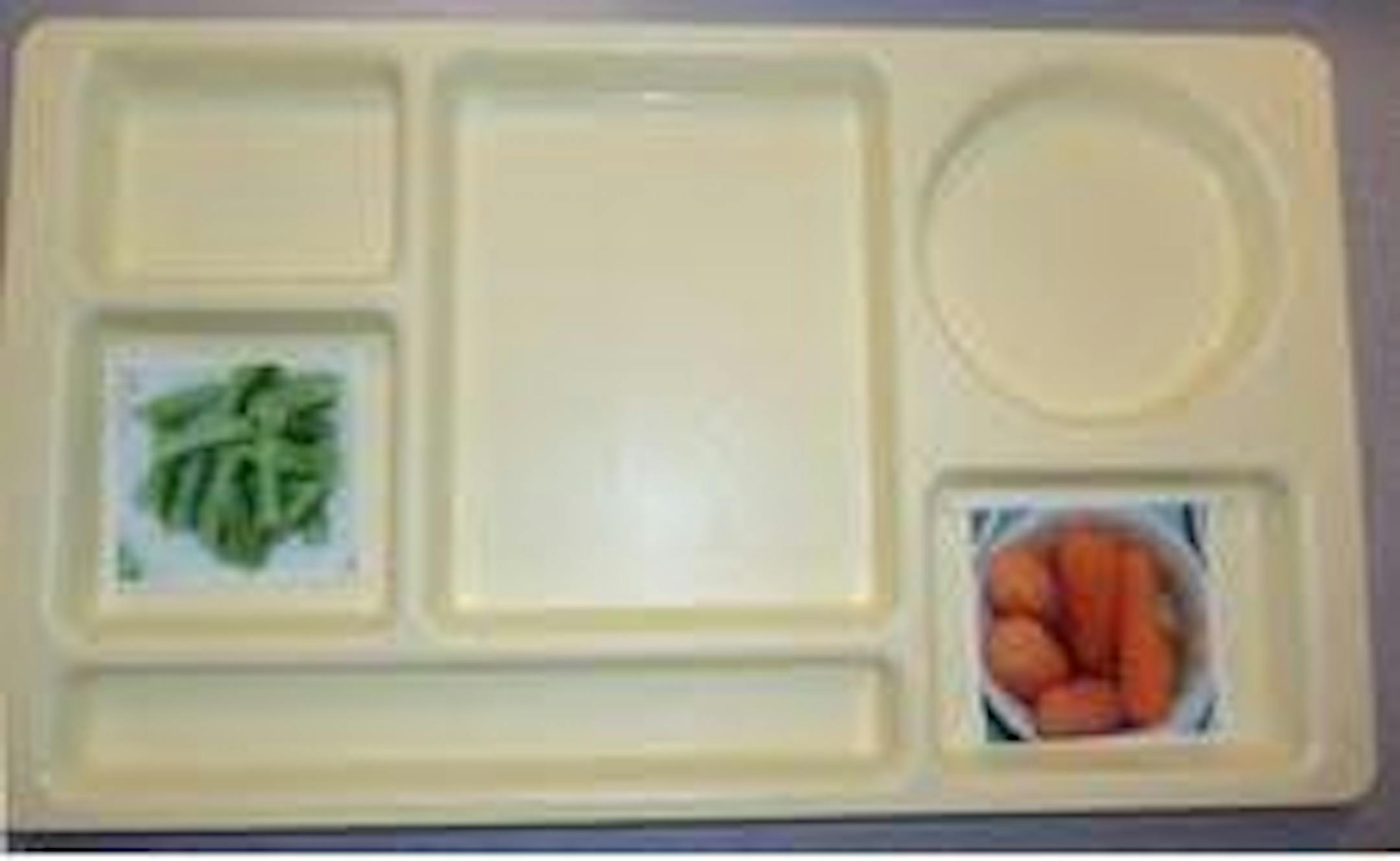
Kids don't want to eat their veggies because their parents tell them to do so. They want to eat them because they think their friends are eating them. That was the theory behind a University of Minnesota study, which examined whether images of beans and carrots on lunch trays would increase student consumption of those vegetables.
"Kids, they don't want to do what they're told," said Traci Mann, a psychologist and one of five U of M faculty members leading the study. "Tell them to eat their vegetables? Forget about it."
It appears that the U of M researchers were right on. In a study published in the Journal of the American Medical Association, the researchers found that students at a Richfield elementary school selected and ate more beans and carrots when their trays had pictures of those vegetables on them.
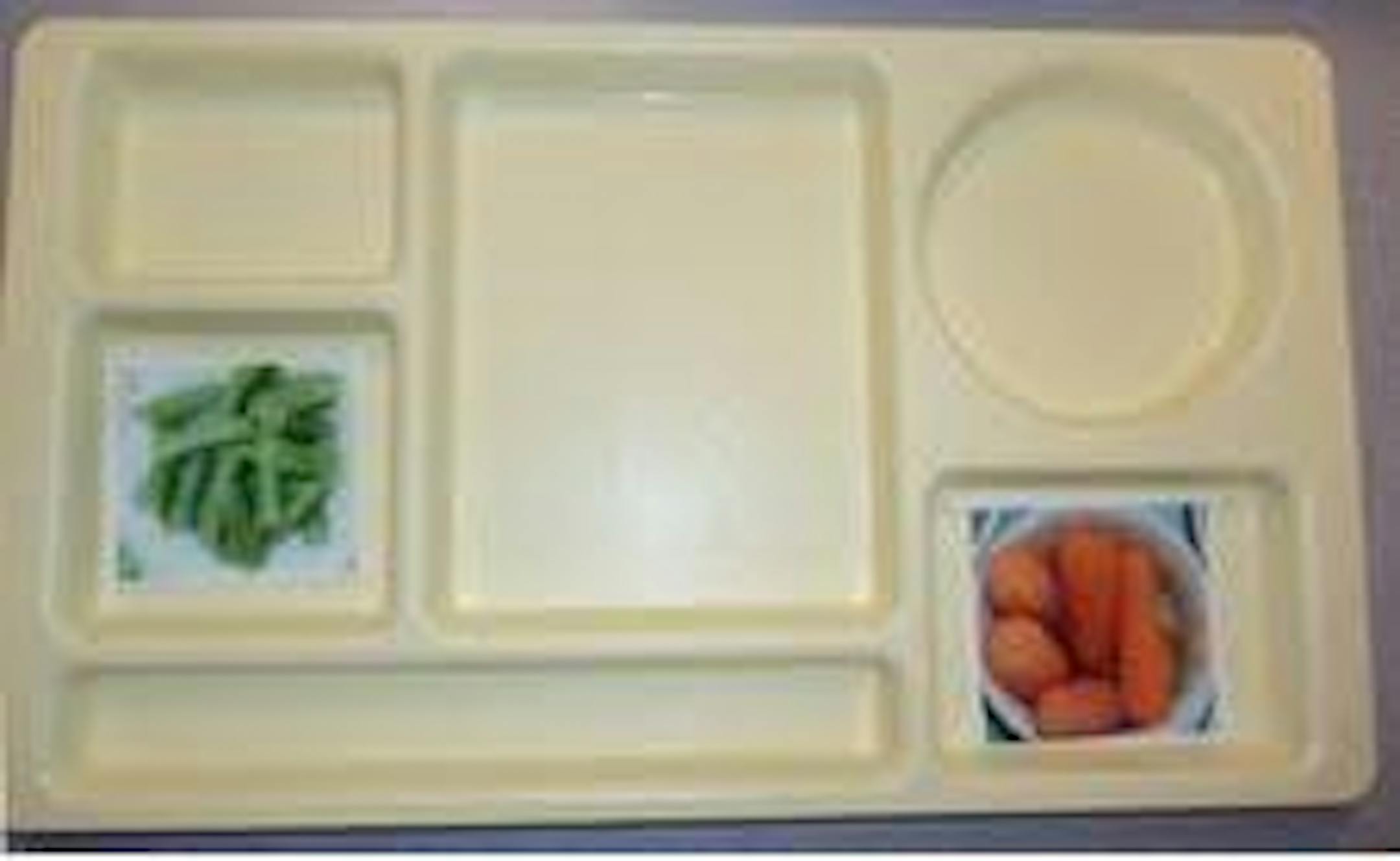
The researchers monitored a typical day at the school cafeteria -- counting how many students selected vegetables and then weighing the vegetables thrown away in order to determine how much the kids consumed. (Mann said it was a painstaking process of collecting every scrap of leftover veggie from the trash, floors and tables.) They then did the same exercise on a day when the trays had vegetable images on them, like this:
On the typical day, 42 students took green beans. Each student who took beans ate about 19 grams of them. On the study day, 96 students took beans; each student who took them ate about 19.1 grams.
On the typical day, 77 students took carrots. Each student who took carrots ate about 31 grams of them. On the study day, 238 students took carrots; each student who took them ate about 27.1 grams.
Mann said she believes the pictures created a new social norm for the students, by which they believed putting veggies in the designated spots was what they should do and what their friends would be doing.
The U of M team -- which includes professors in marketing, applied economics and food science -- tested several different ways to "nudge" students at the Richfield school to eat more veggies. In one instance, they tried moving vegetables to the front of the food line. In another instance, they had the lunch lady offer verbal encouragement to each student to try vegetables. Results of those efforts haven't been published yet, but Mann said she had been most excited about the potential of putting images on tries because it was so subtle.


