People who chatter on about "Scandinavians" mean well, unaware of a Swede's sharp intake of breath at being lumped in with a Norwegian, or the taciturn "Well, then" of a Norwegian perplexed by being confused with a Dane.
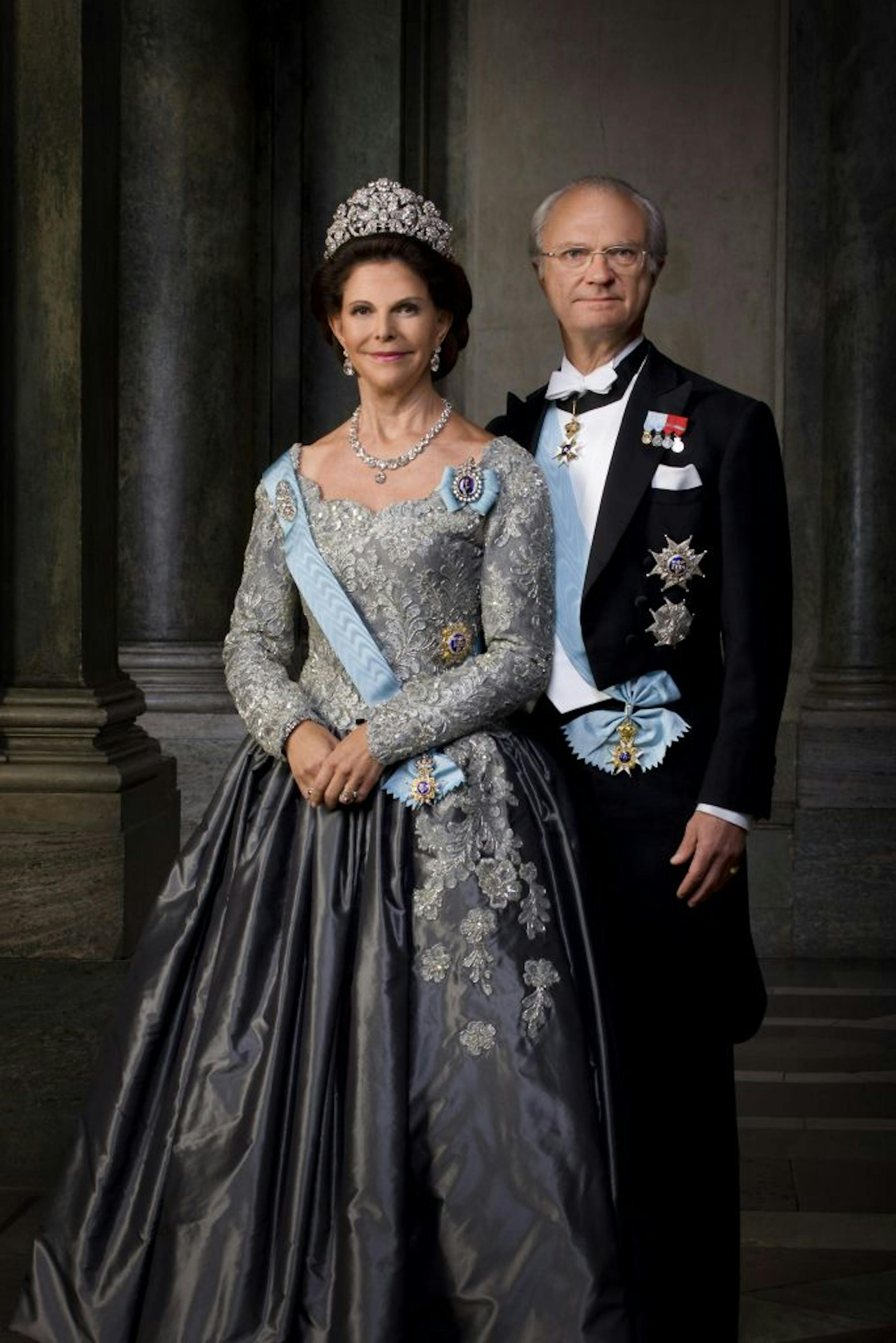
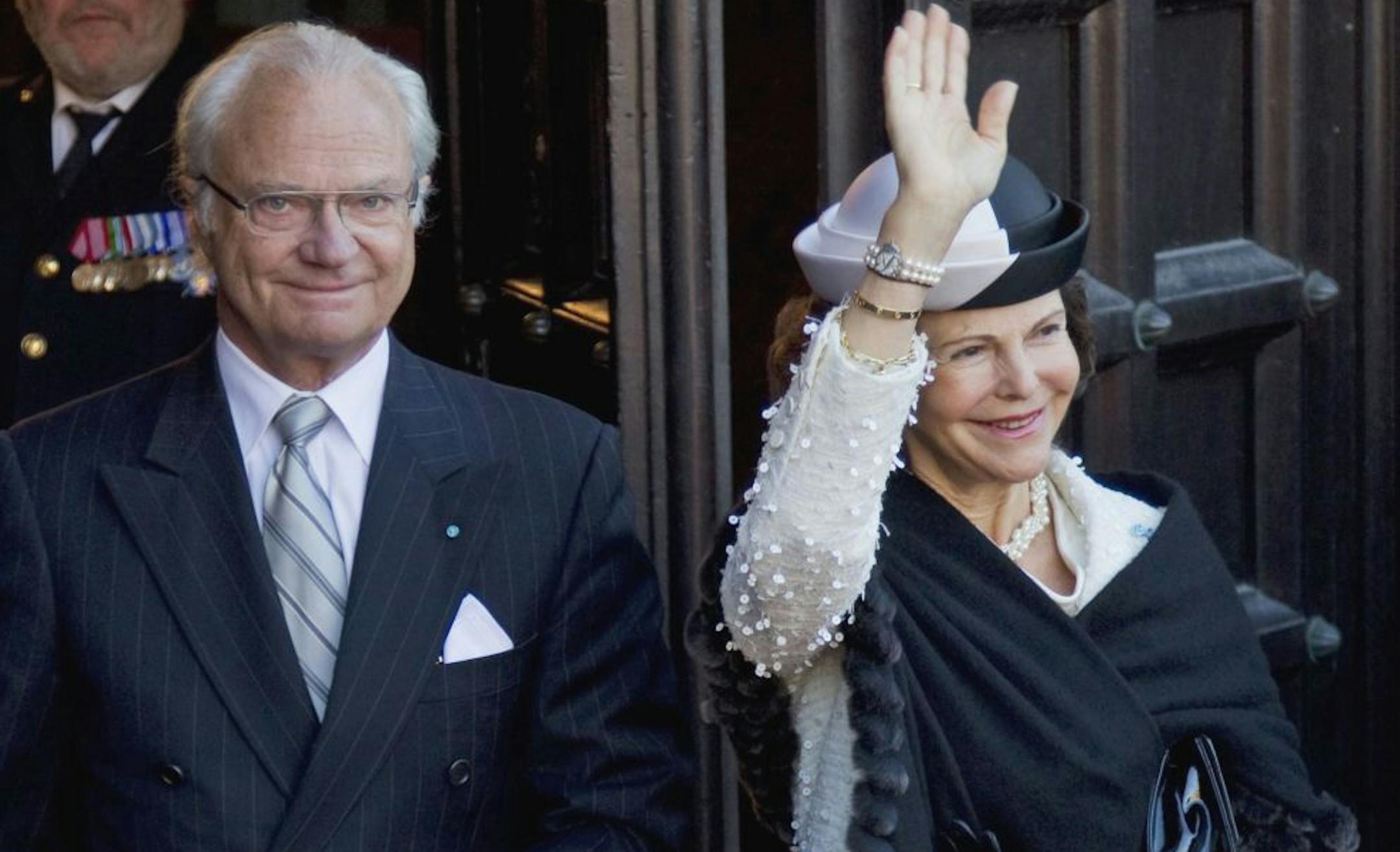
So in the interests of fjord-like clarity: Today through Saturday, it is the king and queen of Sweden who are touring Minnesota, watching children make Swedish crafts, strolling the campus of Gustavus Adolphus College in St. Peter and schmoozing with the governor.
Sweden -- birthplace of Ikea, Volvo, Nobel prizes, Abba and smörgåsbords. Sweden, where girls can have dragon tattoos, or walk around before Christmas with lighted candles on their heads.
Bottom line: Ole and Lena are Norwegian. Ole's best friend, Sven, is Swedish.
Makes sense now, right?
In any case, välkommen to King Carl XVI Gustaf and Queen Silvia of Sweden. Yes, it was just a year ago that Norway's monarchs were here. And yes, while there are more Minnesotans connected to Norway -- or to Germany or Ireland -- Swedes here enjoy a certain density: Almost one in 10 residents claims Swedish blood, making the state the most svensk of the 50.
"We often talk about Scandinavians in general, but they are different," said Roland Thorstensson, a retired professor of Scandinavian studies at Gustavus, which hosts the monarchs Friday for its 150th anniversary of being founded by Swedes. More to the point, modern Scandinavia often is quite different from how it's revered in America.
"Multicultural Sweden is a phrase you hear quite often," said Thorstensson, a native Swede. "Every fifth person was born in a country other than Sweden, or to parents who were born elsewhere. When I came to Minnesota, everybody would say, 'You'll fit right in,' and I looked around and thought, 'I am Swedish, but I come from Sweden. I don't come from Minnesota.' There's sort of a disconnect between Swedish-Americans and what's happened in Sweden."