MIAMI – If Cupid were to have a home, it would be Miami International Airport.
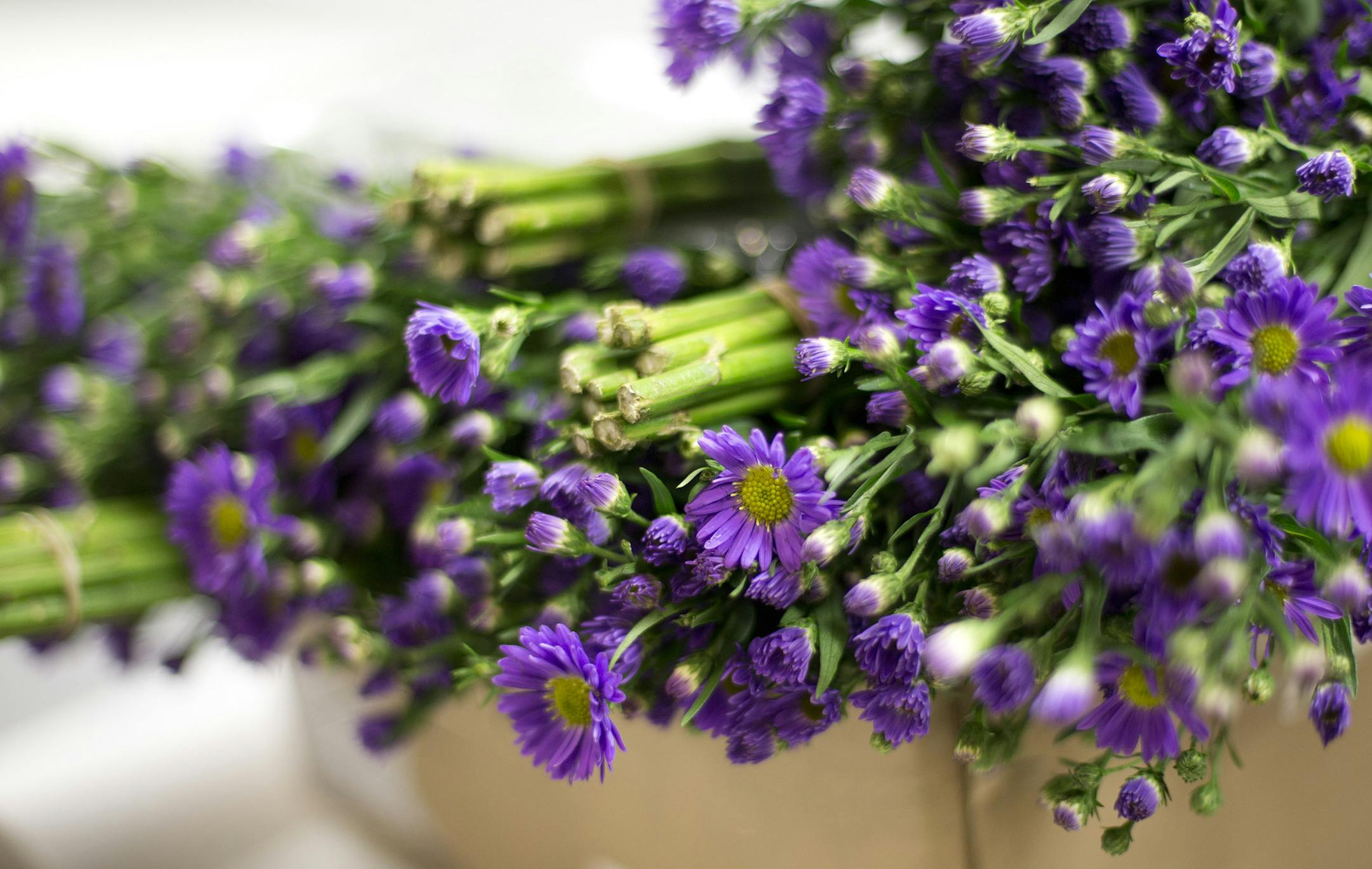
Before millions of Americans can present their loved ones with a bouquet of Valentine's Day roses, most of the flowers are flown from Colombia and Ecuador to Miami. There, cargo handlers and customs agents — call them Cupid's helpers — ensure that the deep red petals stay perfect until they reach their final destination.
In the weeks leading up to Valentine's Day, about 738 million flowers — 85 percent of imported flowers — come through the Florida airport. Los Angeles is a distant second, with 44 million. The roses, carnations, hydrangeas, sunflowers and other varieties are rushed by forklift from planes to chilled warehouses and then onto refrigerated trucks or other planes and eventually delivered to florists, gas stations and grocery stores across the country.
The biggest problem this Valentine's Day might be the final few miles. A massive snowstorm that blanketed the East Coast has made some roads difficult for delivery drivers.
Big day for flowers
Valentine's Day is a big day for flowers, topped only by Mother's Day, and cargo teams work extra hours ahead of both to ensure on-time deliveries.
With flowers, as soon as they're cut, a clock starts ticking. Heat is the enemy. When a plane touches down in Miami, the flowers are rushed to a nearby warehouse where forklifts carry them into giant coolers set at 35 degrees. Every time the cooler doors open up, fog rolls out as the frigid air hits the humidity.
Inside, vacuums suck the hot air out of flower boxes and bring in the surrounding cold air. In one hour, the core temperature of flowers, vegetables and other perishables drops 46 degrees. "It's like it cryogenically extends the life," said Nathaniel R. Miller, a supervisor with Perishable Handling Specialists.
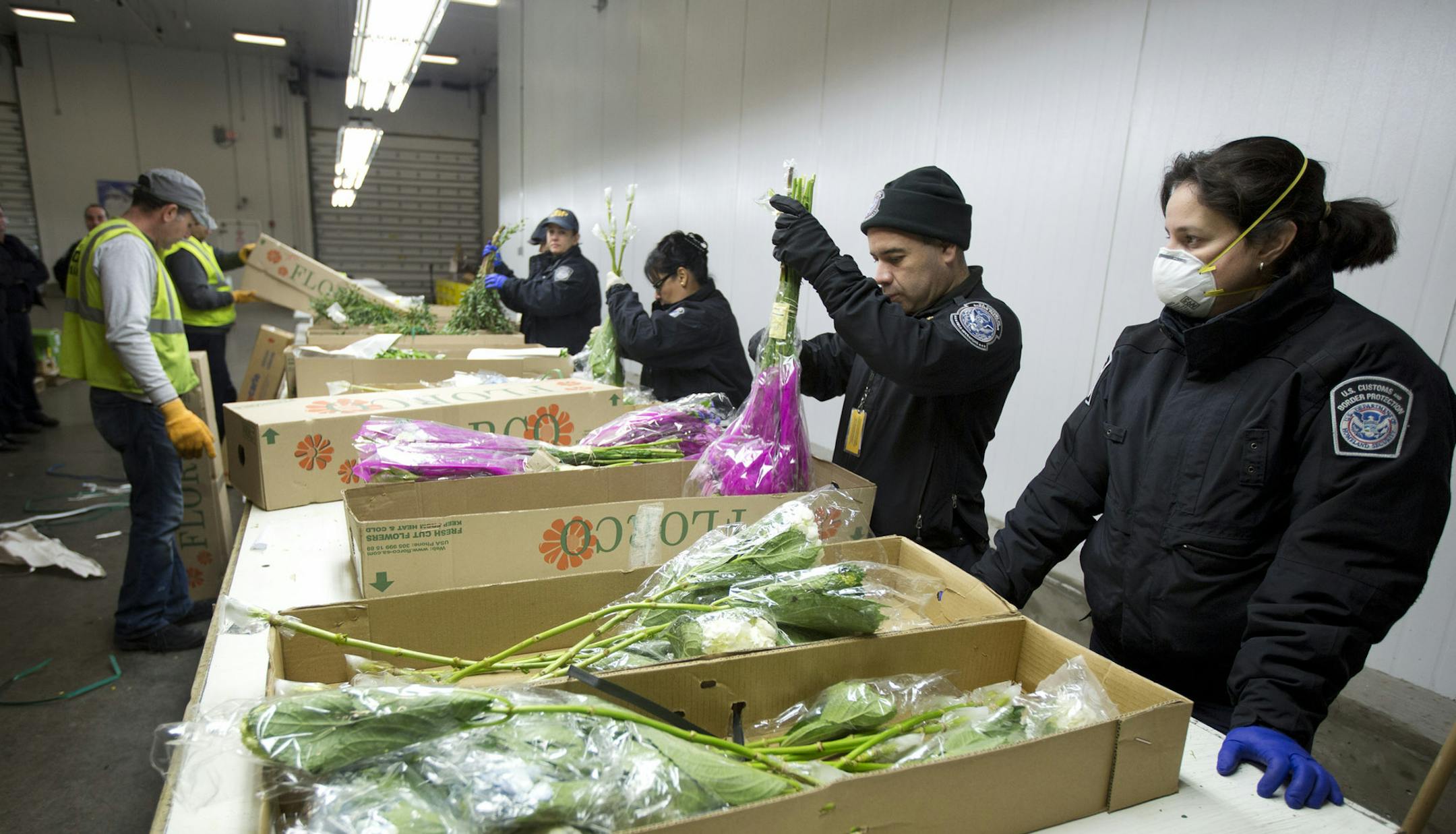
Before the flowers can be sent to stores across the country, U.S. Customs and Border Protection must sign off. Agents check tax documentation, ensure that drugs aren't being smuggled and inspect petals and stems for pests like moths, leaf-miner flies and spider mites, which can ruin crops in the fields.