

USA Hockey is mandating neck laceration protection for all players under the age of 18, the latest development in the wake of the death of a player in England from a skate to the neck that has reignited the debate over cut-proof gear in the sport.
The new rule goes into effect Aug. 1, a timeline that accounts for supply chain and production delays with neck guards. The decision announced Sunday comes three months after American Adam Johnson died after taking a skate blade to the neck during a game in the Elite Ice Hockey League.
The International Ice Hockey Federation has since mandated neck guards for players at all levels at the tournaments it runs.
USA Hockey's decision comes after its congress approved the mandate, which also includes on-ice officials under 18 and any 19-year-old players at the boys, girls or junior level, at its annual meeting. The governing body for the sport in the U.S. also said it strongly recommends that adults wear neck protection.
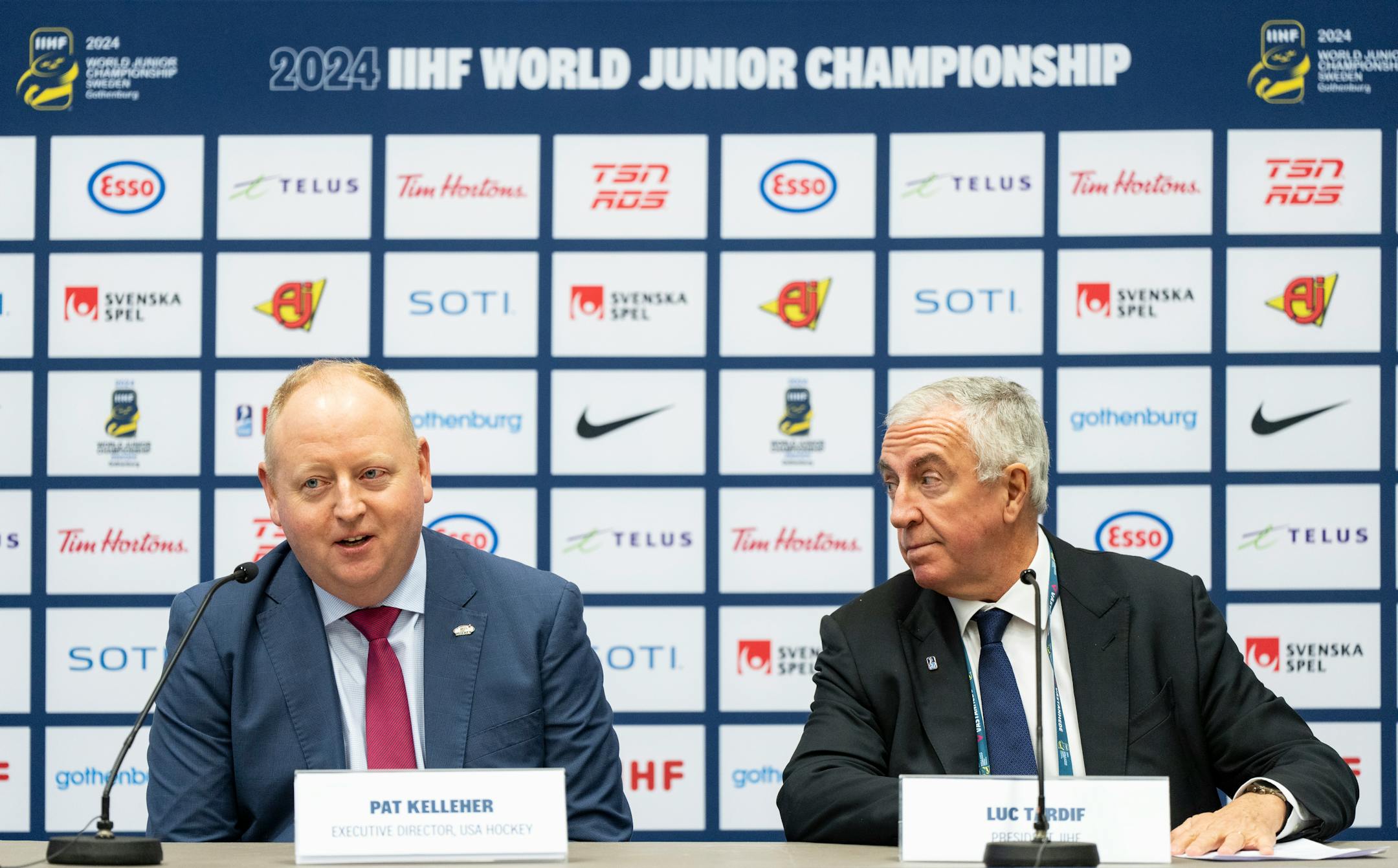
''I know throughout our organization, the overwhelming opinion was that the time is appropriate to modify our rules related to neck laceration protection,'' USA Hockey executive director Pat Kelleher said. ''We're also encouraged that the hockey industry is committed to continuing to work to improve the cut-resistant products that protect players to help influence the safest possible landscape for the game.''
U.S. youth hockey also has been struck by on-ice tragedy in recent years. Connecticut high school player Teddy Balkind, 16, died two years ago from a skate cut to the neck during a game.
USA Hockey has long recommended cut-resistant socks, sleeves and undergarments, as well as neck protection. Its board of directors asked the safety and protection equipment committee in November to begin the process of recommending potential rule changes on neck laceration protection.
''Safety is always at the forefront of our conversations and the action of our congress today reflected that,'' USA Hockey president Mike Trimboli said. ''We appreciate the significant work done by our safety and protective equipment committee, led by Dr. Mike Stuart, and the many others who were instrumental in the overall evaluation process.''


