

A national health care summit in Minneapolis this week made one thing clear: The next generation of tech-savvy health care consumers won't tolerate the lack of access to records and the restrictions to medicines that patients tolerate today.
The question is, will the next generation of doctors be ready for this ornery lot?
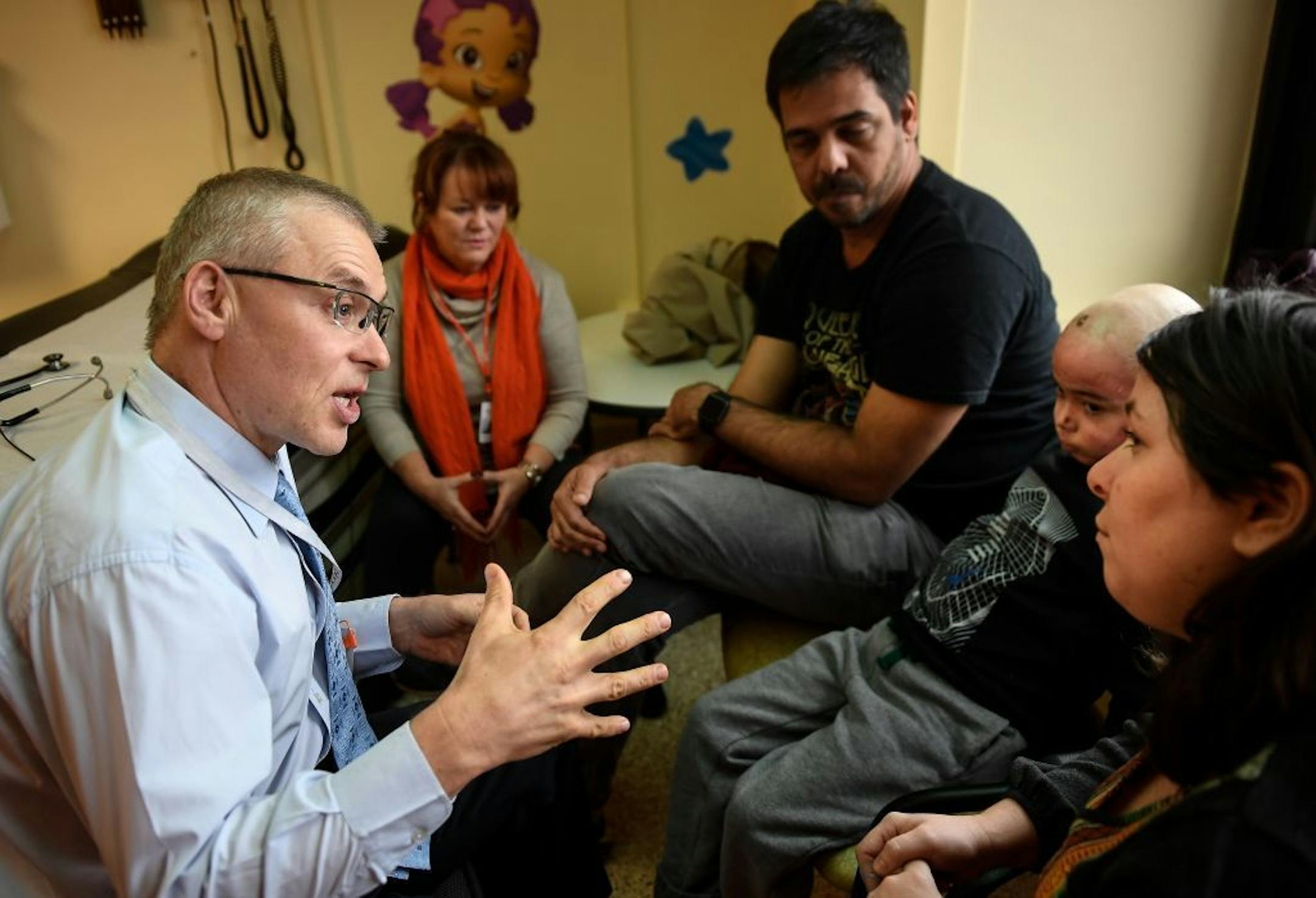
Dr. Jakub Tolar, dean of the University of Minnesota Medical School, spoke at the Manova Global Summit on the Future of Health and said that doctors have certainly changed with the times, but not as much as patients.
"You have watched Gray's Anatomy and ER and Scrubs,'' he said, addressing health care consumers in the audience. "And you know what STAT means."
"One third of you," he added, "when you have a problem, when you have something that is not right … you go on the web and you find a diagnosis there. So that's where you go first."
To address these changes, one solution at the U is to change medical education to make doctors more part of a team when providing care — a team that includes patients and also nurses, pharmacists, nutritionists and others, Tolar said.
A health sciences education center that is under construction on campus will help create that team atmosphere by having students train to be doctors and nurses and other health professionals by completing simulations of medical situations together.
Incoming medical students come from the same generations as the young adults who expect more on-demand health care, but Tolar said health education is still about practicing real-life scenarios — whether it is restarting a patient's heart or working as part of a patient care team.


