
University of Minnesota research IDs risks for second childhood cancers

Second cancers were more common in patients who received platinum-based chemo drugs, and breast cancers were more common in patients who received so-called alkylating chemo drugs.

November 23, 2019 at 4:19PM
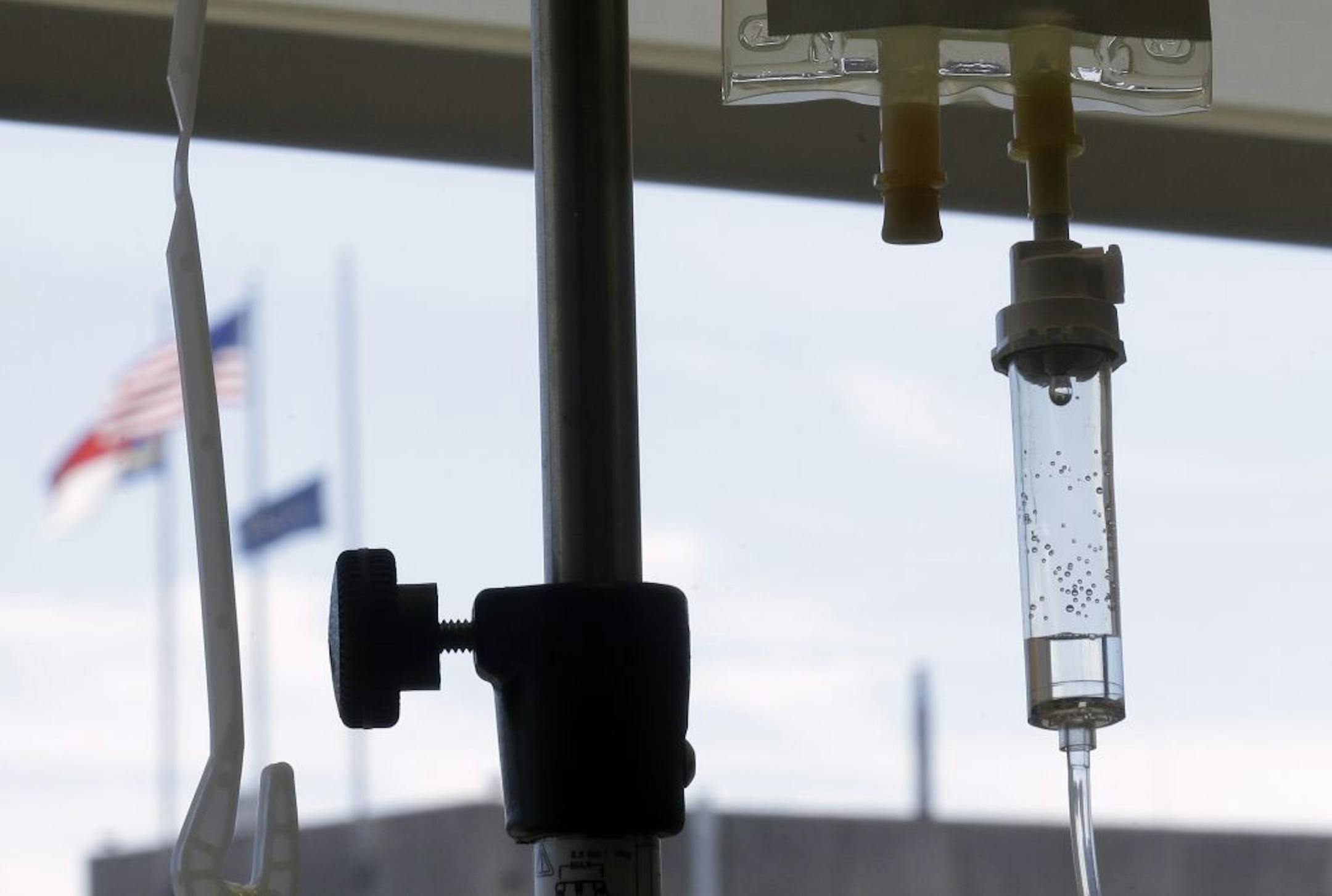
FILE - In this Sept. 5, 2013 file photo, chemotherapy is administered to a cancer patient via intravenous drip at a hospital in Durham, N.C. According to a study released on Wednesday, May 17, 2017, most doctors did not discuss the cost of cancer treatment with patients, spent less than two minutes on it when they did, and usually did so only after patients brought it up.
In 2013, chemotherapy is administered to a cancer patient via intravenous drip at a hospital in Durham, N.C. University of Minnesota researchers have discovered that certain chemo drugs raise the risks of second cancers for childhood survivors. (Associated Press/The Minnesota Star Tribune)

Chemotherapy and radiation treatments have helped children survive cancer. Now University of Minnesota researchers are trying to find the ideal combinations that prevent the disease from coming back.

Comparing outcomes for 22,000 survivors, the researchers found, as expected, that children treated with tumor-killing radiation were at elevated risks of second cancers. But they also discovered that certain chemo drugs increased risks as well.

"We identified some very important dose-response relationships" between chemo drug doses and second cancer risks, said Dr. Lucie Turcotte, a pediatric oncologist/hematologist who led the U research.

Second cancers were more common in patients who received platinum-based chemo drugs, and breast cancers were more common in patients who received so-called alkylating chemo drugs, the research found.

Chemo drugs generally disrupt the molecular processes that allow cancer cells to multiply. The drugs that increase second cancer risks are still most effective against some tumors, so doctors will need to prescribe them but monitor their patients over time, Turcotte said.

In other cases, doctors can consider different chemo regimens, she said. "We've had very good outcomes for many childhood cancers, so we're at a point where we can start to think about modifying our upfront treatments."

The study looked for second cancers in patients who first had childhood cancers diagnosed between 1970 and 1999. Results were published last month in the Journal of Clinical Oncology.

Second cancers emerged in nearly 11% of patients who received radiation only, and in 3.9% who received chemo only. The risk of second cancers in chemo-only patients still tripled the risk of first cancers in healthy adults.

A U study years earlier had shown the elevated risk of second cancers in children after radiation, which is now used in a minority of pediatric cases. Turcotte said the latest study was an attempt to find out whether second cancer risks have changed in the pediatric population since that time.

Next, she said she hopes to study a more recent population of child survivors to assess whether second cancer risks are affected by more modern treatments, such as precise proton beam radiation, and therapies that coax the immune system to attack cancer cells.

Jeremy Olson • 612-673-7744 • @stribjo

about the writer

about the writer

Jeremy Olson

Reporter

Jeremy Olson is a Pulitzer Prize-winning reporter covering health care for the Star Tribune. Trained in investigative and computer-assisted reporting, Olson has covered politics, social services, and family issues.

See Moreicon