

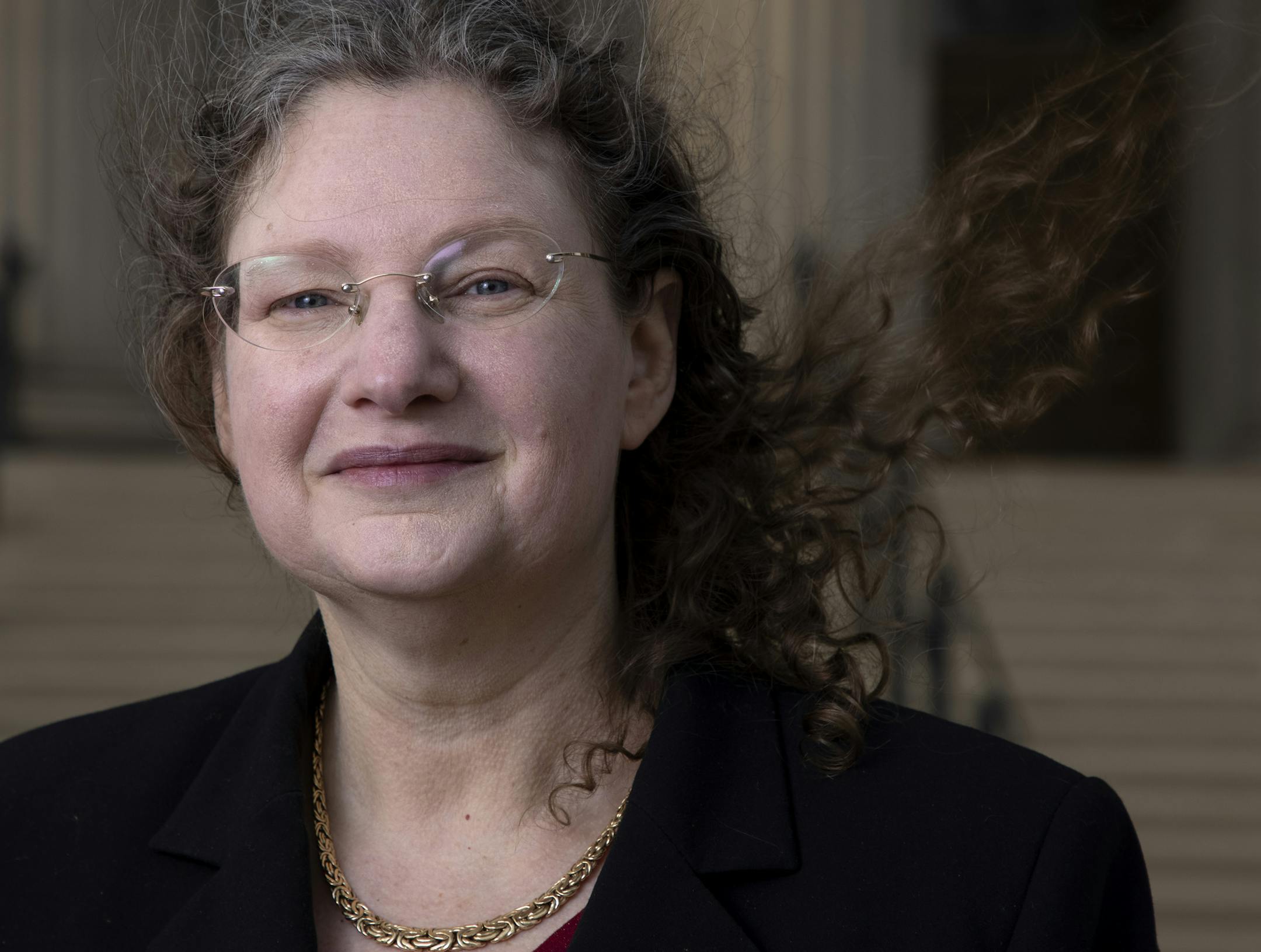
Rachel Croson looked forward to mingling with students and faculty on campus and tackling academic projects, such as curriculum updates, when she agreed to become the University of Minnesota's chief academic officer.
Instead, Croson was thrust into the role of crisis and risk manager when she started as the U's executive vice president and provost last March. From reconfiguring classrooms for social distancing to relaxing grading standards, Croson has made key decisions over the past year that have shaped how the university operates during the pandemic. She has carried out most of her leadership duties from home, only stepping foot in her campus office a couple of times.
"It is incredibly strange," said Croson, 53, an extrovert who has yet to meet most of her colleagues in person. "I love talking to our faculty, I love talking to our students … and not being able to do it is really hard."
Even so, Croson has managed to consult the campus community from afar on many of her pandemic-related decisions, impressing student and faculty leaders. She let faculty choose whether to teach their classes online or in person and compromised with students who sought grading changes last fall. As she starts her second year, Croson hopes to shift from emergency response to long-term planning. President Joan Gabel has tapped her to begin envisioning what academic life at the U will look like after the pandemic.
"Whether we wanted to or not, the pandemic showed us that there were a variety of ways for us to do what we do. … How do we cherry-pick the best parts of that and keep them while protecting our legacy and history?" said Gabel, who's known Croson for a decade. The two became acquainted while working as business school deans at separate universities.
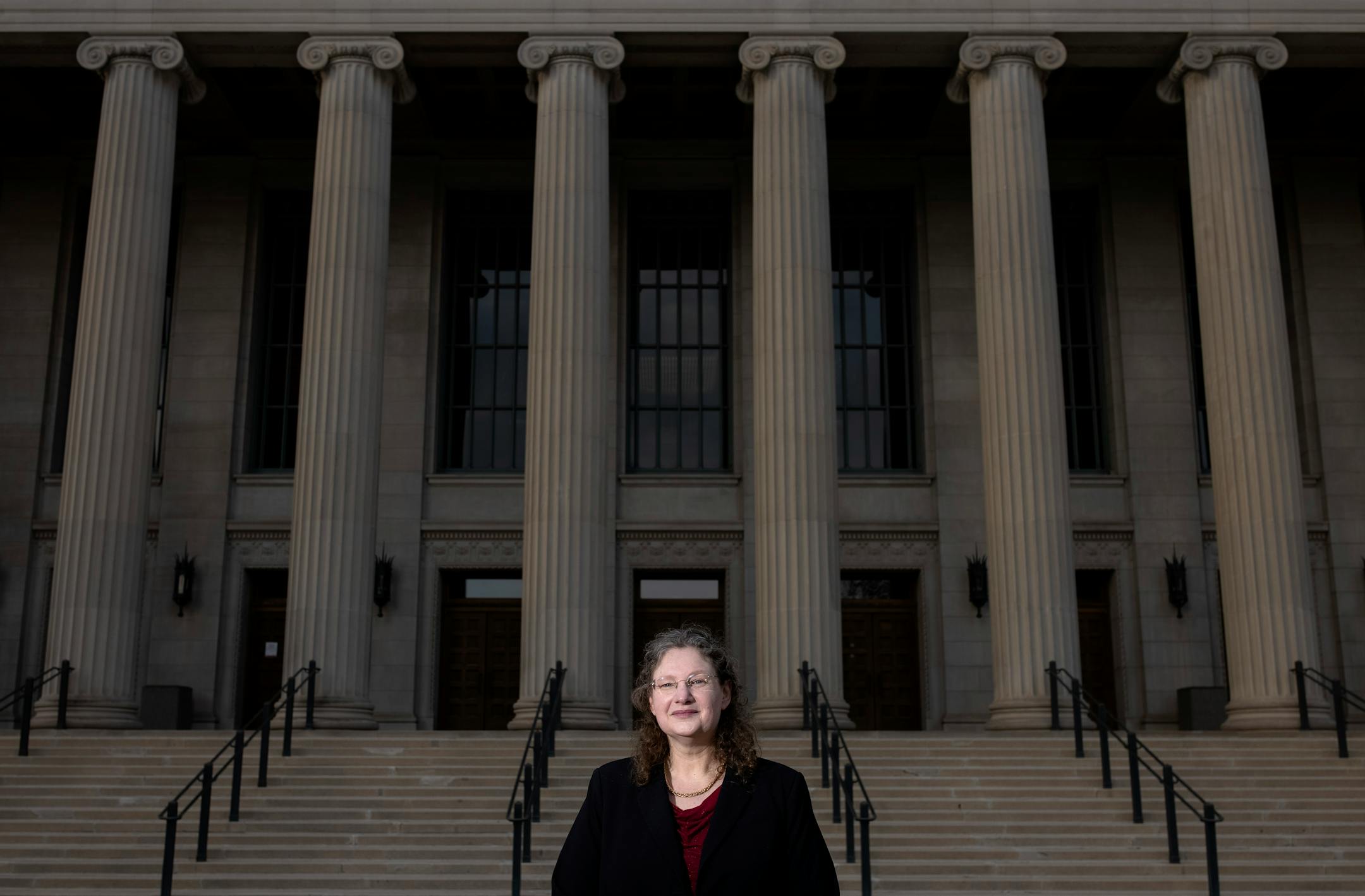
College life has been almost unrecognizable this past year, with sprawling campuses like the U sitting largely empty and thousands of students learning mostly online. For a time, Croson's daily life resembled that of many students; she lived in and worked from a Dinkytown apartment for almost five months until her husband and two sons could move here from Michigan.
The U hired Croson's husband, David, as a professor. He previously was an economics professor at Michigan State University while Croson served as dean of the school's College of Social Science.
The transition from dean to provost of an entire university was jolting. Croson faced early scrutiny from some members of the Board of Regents for her nearly $500,000 salary, which was more than the U's previous provost made after serving for nearly a decade. Within her first weeks on the job, Croson found herself in the middle of planning how to safely reopen the U's five campuses during the pandemic.


