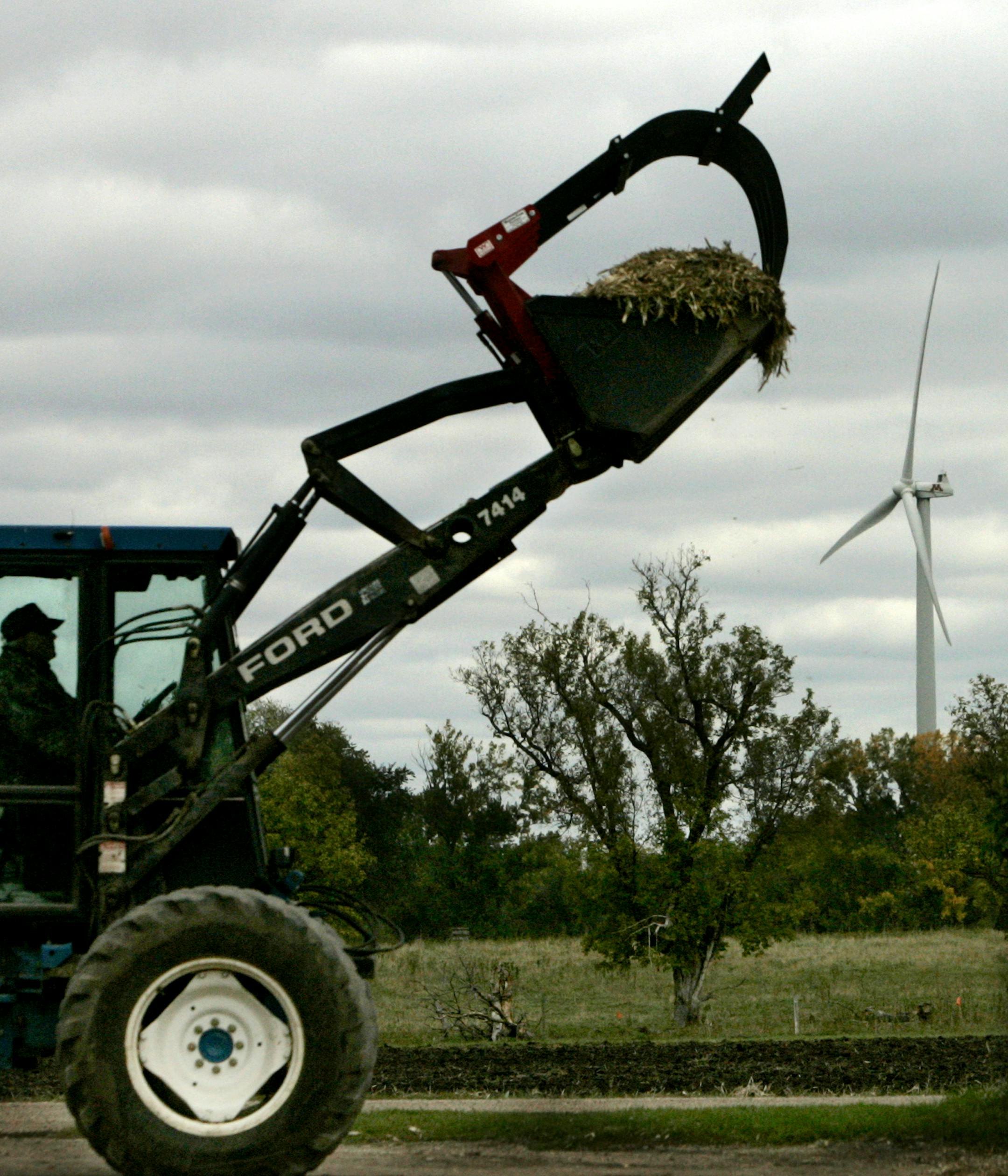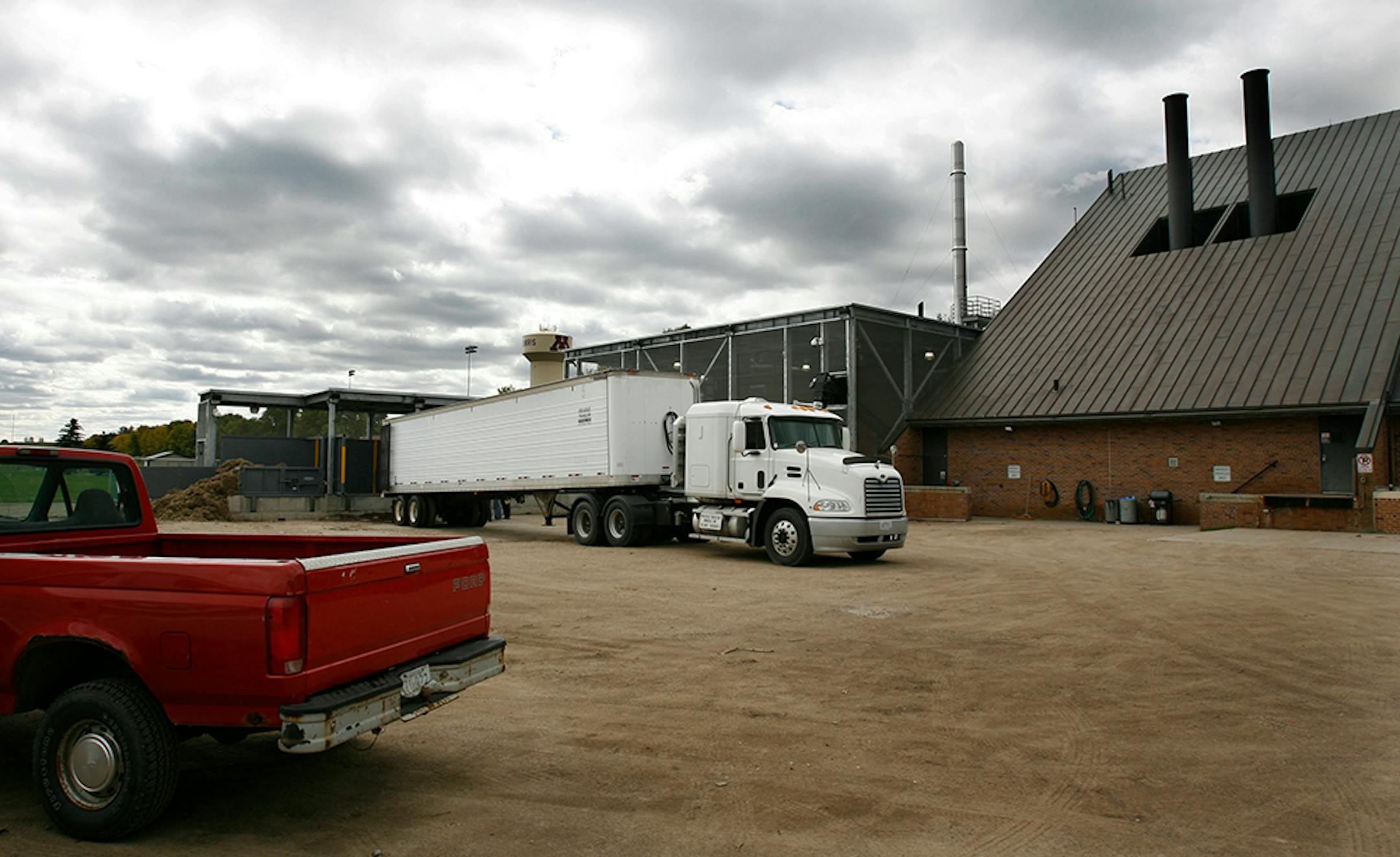
Fifteen years after installing its first wind turbine on a hill above campus, the University of Minnesota, Morris this summer became one of the few colleges in the country to become carbon neutral in electricity use.
The western Minnesota campus now produces the most electricity on site per-student in the United States, according to a report from advocacy group Environment America.
With two wind turbines, a smattering of solar panels and a few other green power sources, the school generates about 60% of the energy it uses, said Bryan Herrmann, vice chancellor for finance and facilities.
“We’ve been working on this for more than a decade,” Herrmann said. “What’s unique for us is that while a lot of other schools are buying renewable energy off-site, we’re generating it right here. You’re able to see the turbines on the hill spinning and producing the power you’re using for your laptop.”
Becoming carbon neutral is not the same as being carbon-free.
About 70% of the school’s power comes straight from renewable sources such as wind and solar. But on cloudy and windless days the campus still needs to buy electricity from the grid from coal or natural gas plants.
When the wind is blowing and the sun is out, the campus generates much more power than it needs, pumping electricity back into the grid. The campus is “carbon neutral” because it is putting as much excess renewable energy into the system on windy days as the carbon-based energy it is taking from the grid on windless ones.
Now that the campus is neutral in electricity use, its goal is to become completely carbon neutral, Herrmann said. That would entail eliminating or offsetting greenhouse gas emissions from cars, buildings, heating systems or any other source.