

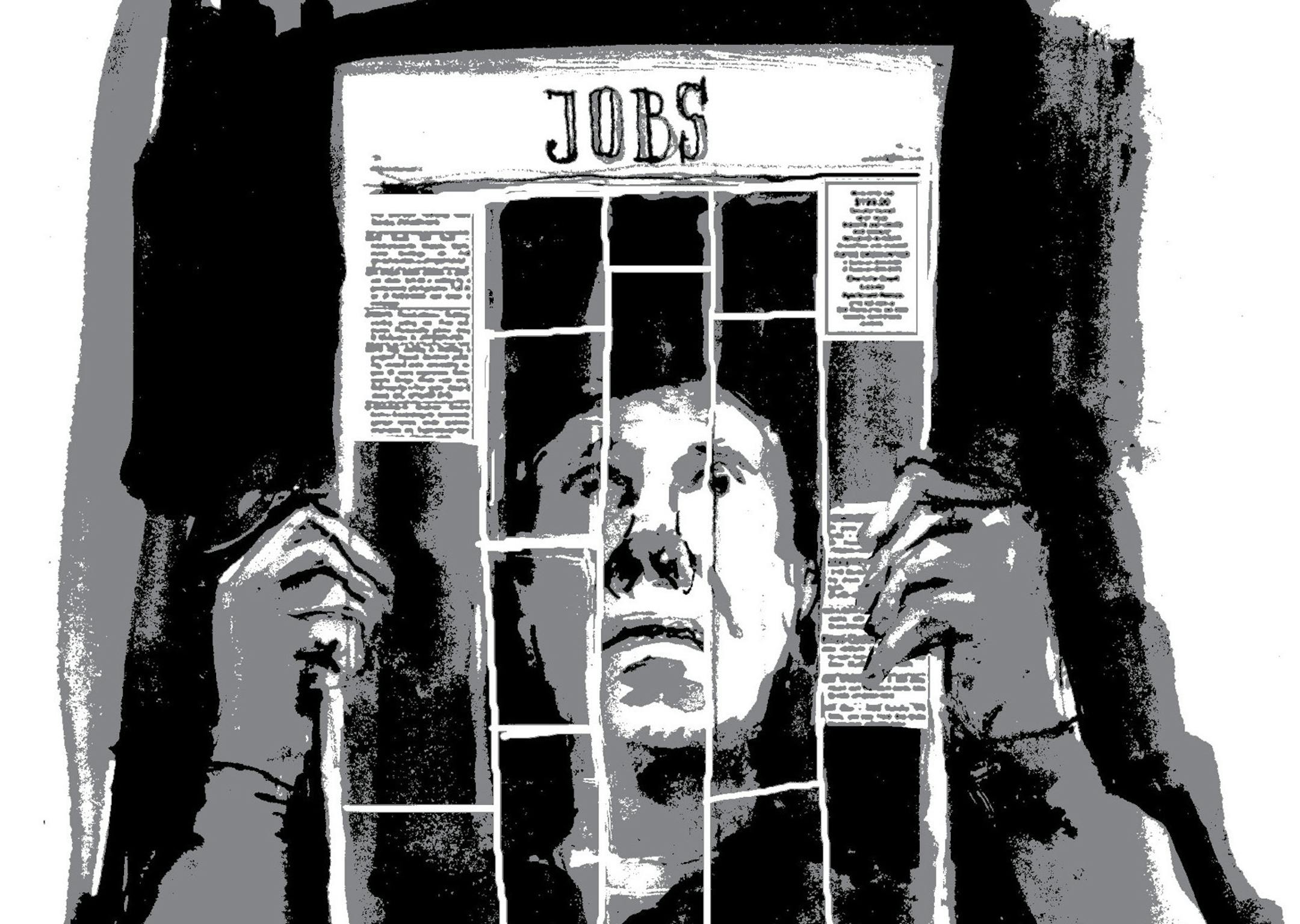
Even if it weren't the day after Christmas, one word would spring to mind to describe the congressional Republicans who are unwilling to extend unemployment insurance benefits beyond 26 weeks to 1.3 million unlucky Americans. They're Scrooges.
By that, we mean that they seem devoted to notions about the economy and government's role in it that were common in the 19th century — but already then were being rendered obsolete by the Industrial Age, and were the subject of derision by the likes of Charles Dickens in his famous 1843 novella "A Christmas Carol."
Today's Republicans in Congress appear to believe that the U.S. economy will reliably provide a self-sustaining livelihood for anyone willing to work. Unemployment benefits will invite idleness, they claim. It's a version of the "moral hazard" argument used in Minnesota in the 1870s to deny government aid to starving victims of grasshopper plagues.
The flaw in that thinking was already evident 80 years ago when Franklin Roosevelt's New Deal came to Washington at the depths of the Great Depression. In most years since then, both major U.S. political parties understood that the nation benefits when government cushions workers against capitalism's harshest blows.
That bipartisan consensus is unraveling. Prominent Republicans including U.S. Sen. Rand Paul of Kentucky have said in recent weeks that extending unemployment benefits prolongs joblessness. "When you allow people to be on unemployment insurance for 99 weeks, you're causing them to become part of this perpetual unemployed group in our economy," Paul argued in a Fox News interview on Dec. 8.
Does Paul think the unemployed will look better to would-be employers when they've lost their homes or after they've become dependent on food stamps? That's the fate that may well await some of the 1.3 million who stand to lose unemployment benefits when the new year arrives next week, and the 3.6 million more who appear headed for the same status in 2014, according to the Council of Economic Advisers and the Department of Labor.
Economists have found no evidence that receiving unemployment benefits keeps people out of work longer. Instead, a recent study by the Federal Reserve Bank of San Francisco found that the chief effect of extending unemployment benefits is "a reduction in labor force exits, rather than a reduction in job finding." That stands to reason. One condition of receiving unemployment benefits is that recipients actively search for new employment.
The U.S. unemployment rate was measured at 7.0 percent in November. That's twice as high as it was at the expiration of previous federal unemployment benefits extensions. Returning to a 26-week benefits limit might make that rate fall a bit initially, as more discouraged workers stop seeking employment. But the loss in job seekers' incomes will take a measurable toll on the economy in short order. Some 240,000 jobs could be lost in 2014 as a result, the Council of Economic Advisers says.


