

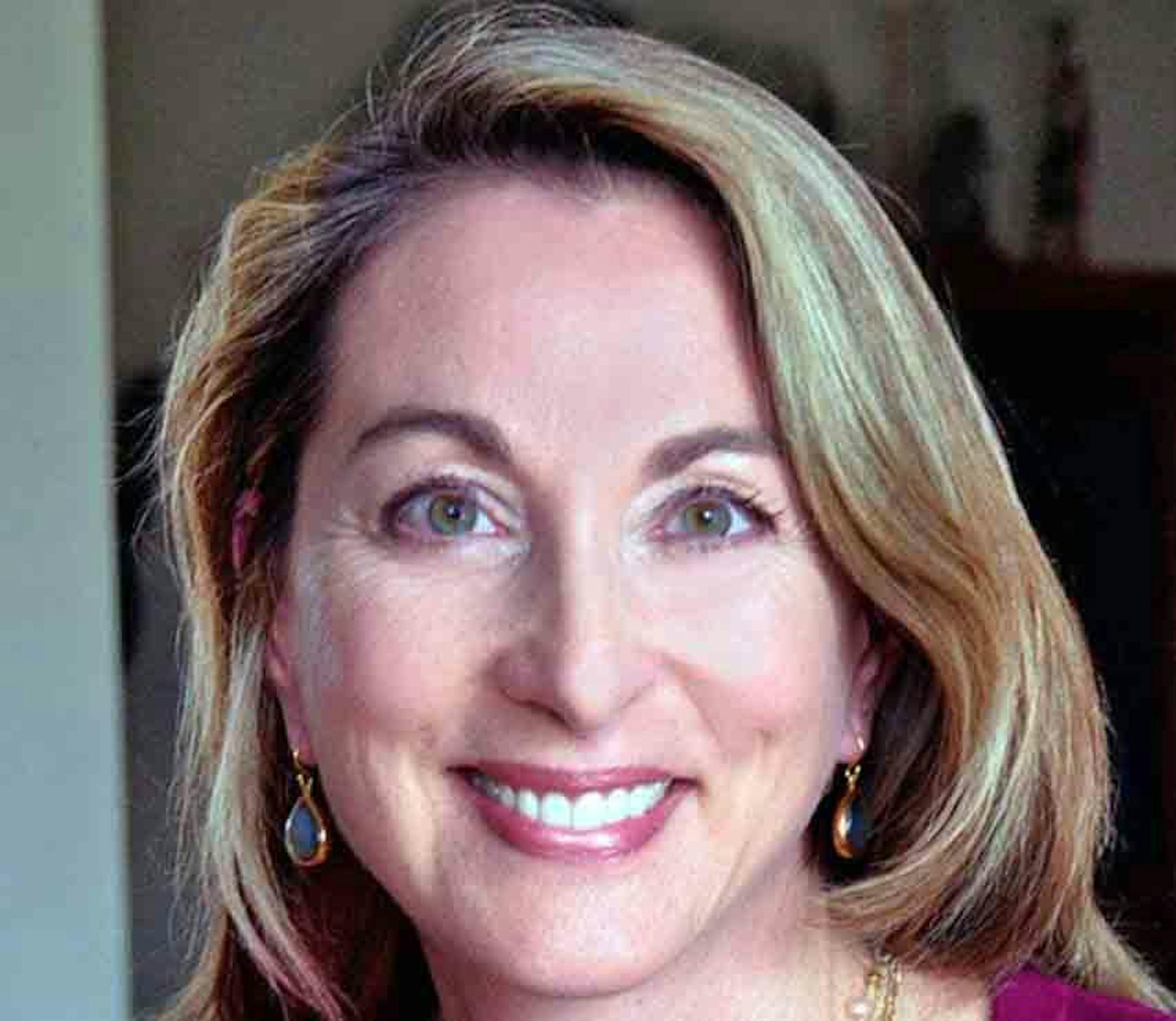
Two staples of the University of Minnesota Psychiatry Department — industry-funded drug trials and the recruitment of hospitalized patients as research subjects — are bygone.
Six months after taking charge, Dr. Sophia Vinogradov said she has curbed both practices to steer her department away from its controversial history.
Recruited from the University of California, San Francisco, Vinogradov arrived last August to find a department that was "demoralized" and "under siege."
The siege mentality stemmed largely from the case of Dan Markingson, a young man who died by suicide in 2004 while taking part in an industry-funded study to compare three antipsychotic drugs. Markingson's family fought to get him out of the study and accused the U of coercion to recruit and keep him enrolled at a time when his schizophrenia hindered his judgment.
Over time, state mental health advocates, lawmakers and the legislative auditor conducted critical reviews and found flaws with Markingson's care and the department's practices. Concerns peaked in 2015, when the U suspended recruiting into psychiatric clinical trials until it could assure the safety of study subjects.
Universitywide reforms followed, including extra protections for vulnerable study subjects that were lauded by the Association for the Accreditation of Human Research Protection Programs.
Vinogradov said she also curbed industry-funded drug trials — some of which historically served corporate interests more than scientific advancement. The three remaining at the U are studying drugs for autism and treatment-resistant depression.
Recruiting patients like Markingson during psychiatric hospitalizations is prohibited, she added. "A lot of people in inpatient units are not in a place where they can give informed consent."


