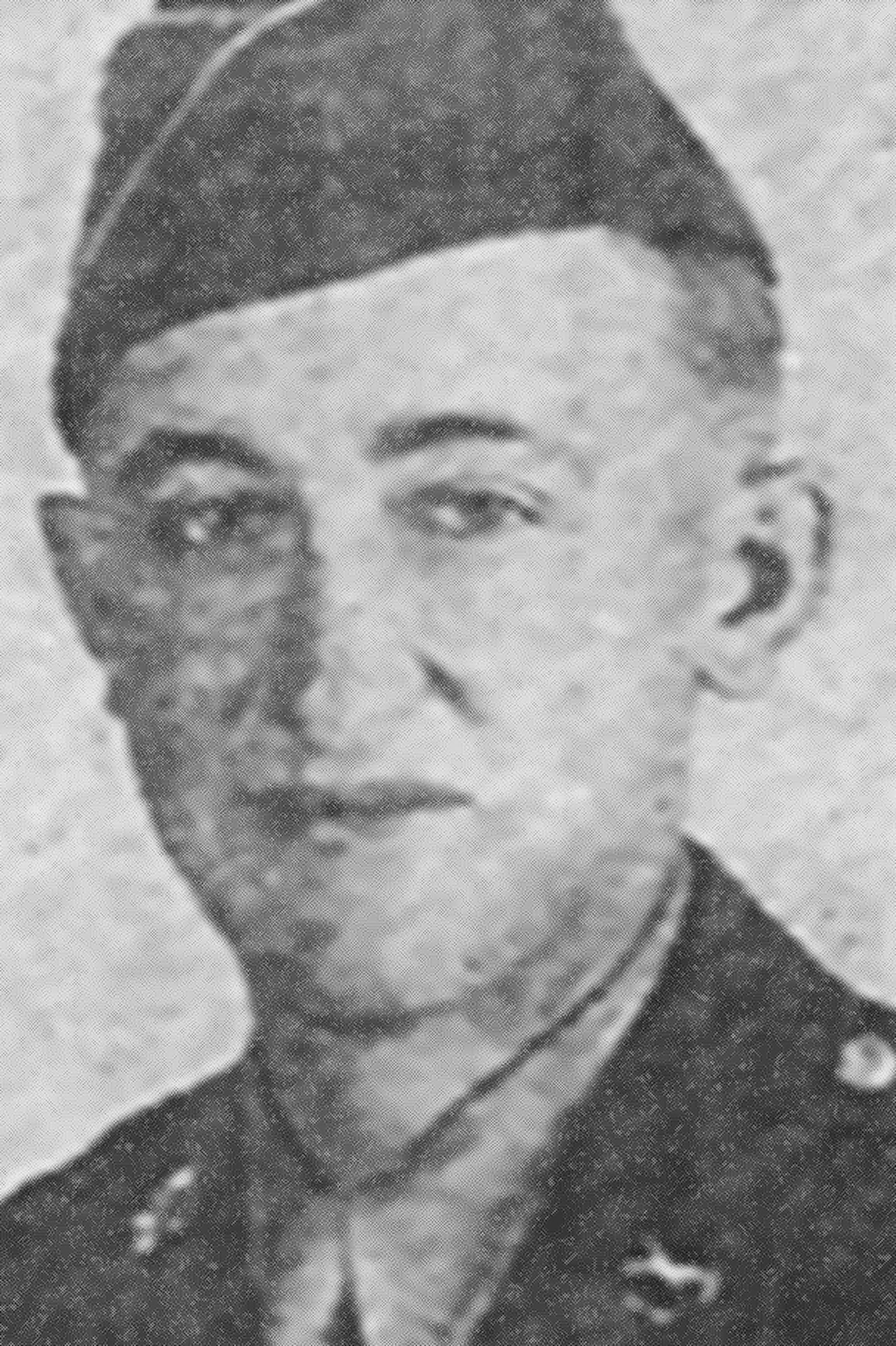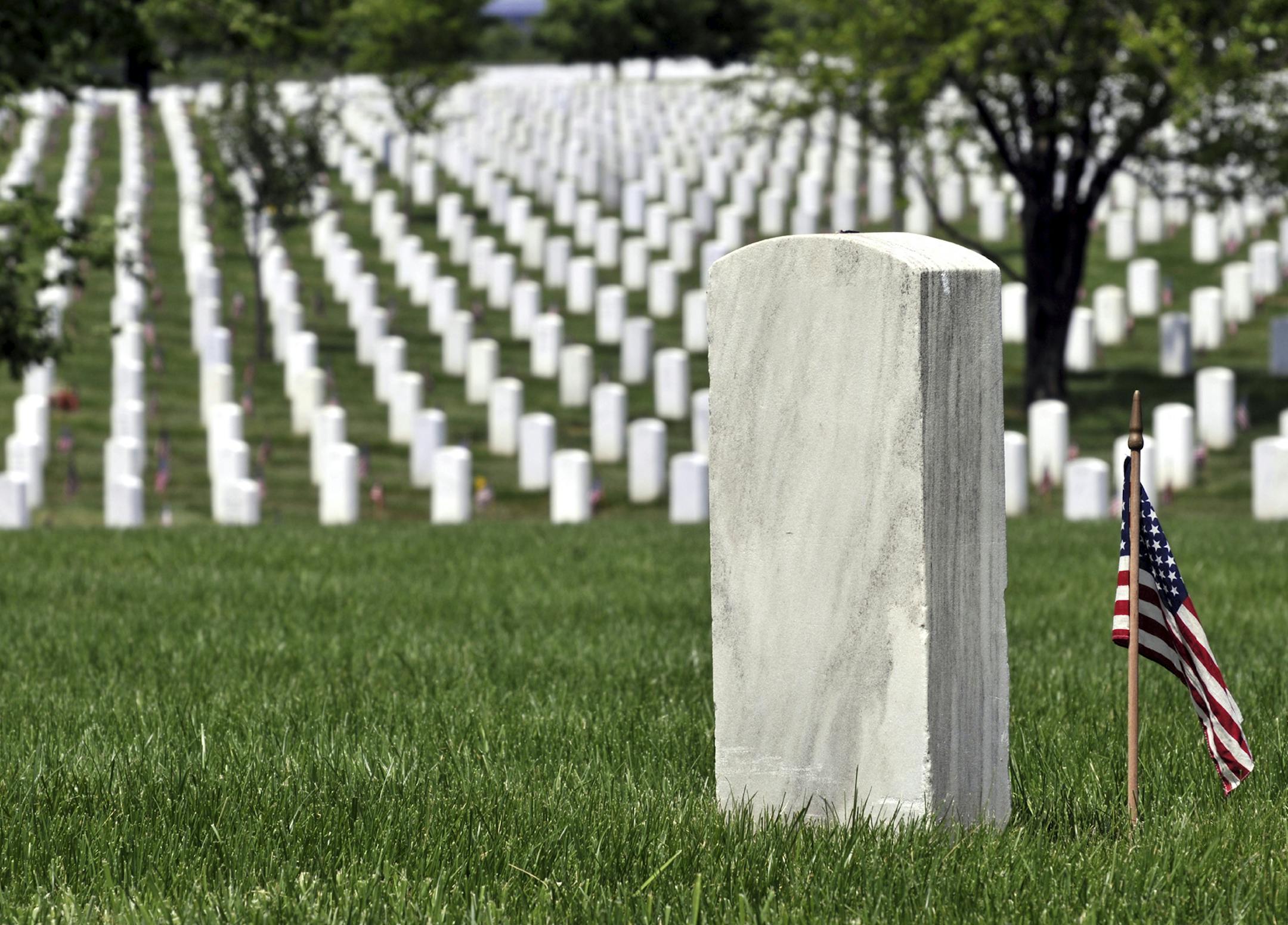
Each day of the year in some way is a Memorial Day for me. Every time someone calls my name I remember my namesake, Tommy Murray.
In April 1945, my father and his classmates at St. John's High School in Bancroft, Iowa, were startled by the sound of a church bell somberly ringing at the nearby Catholic church. The parish priest rang the bell at his first knowledge of the passing of one of his parishioners — one bell for every year of that person's life. On that day the bell rang 20 times, and though he hadn't been officially notified, my father and all of his classmates knew that his brother Tommy had been killed in the war.
Uncle Tommy, for whom I am named, wrote to my father in February 1945 not to drink, smoke or join the Army. "I've seen all the world I want to see and would settle for Iowa any old time," he wrote that last time. The rest of the letter was filled with pleasantries of life at that time in the Philippines. Soldiers had been ordered not to share the grim reality of the war for fear of upsetting their families. Two months later, Tommy was shot to death in an ambush as he was following a tank unit through a narrow pass in Luzon en route to Baguio.
They called him a hero. But the reaction of Bancroft, the Garden Spot of Iowa, a town of 1,200, was actually described by Harold Clarke, editor of the Bancroft Register, who wrote a poem titled "Tommy":
Don't say a world moved, a nation rose on Tommy's death.
Just say he smiles no more and he is cold as winter's breath.
He is no more. Though he was youth, his story ends.
He did the things he must for home and friends.