

Minnesota Democrats in the U.S. House had something to cheer about last week as they once again passed a sweeping expansion of voting rights — a major legislative initiative that amounts to the party's response to GOP efforts to curtail ballot access.
But the legislation, dubbed the For the People Act, has an uncertain future in the narrowly divided U.S. Senate. Though Democrats control the chamber thanks to Vice President Kamala Harris' deciding vote, Republicans have the votes necessary to block it with a filibuster.
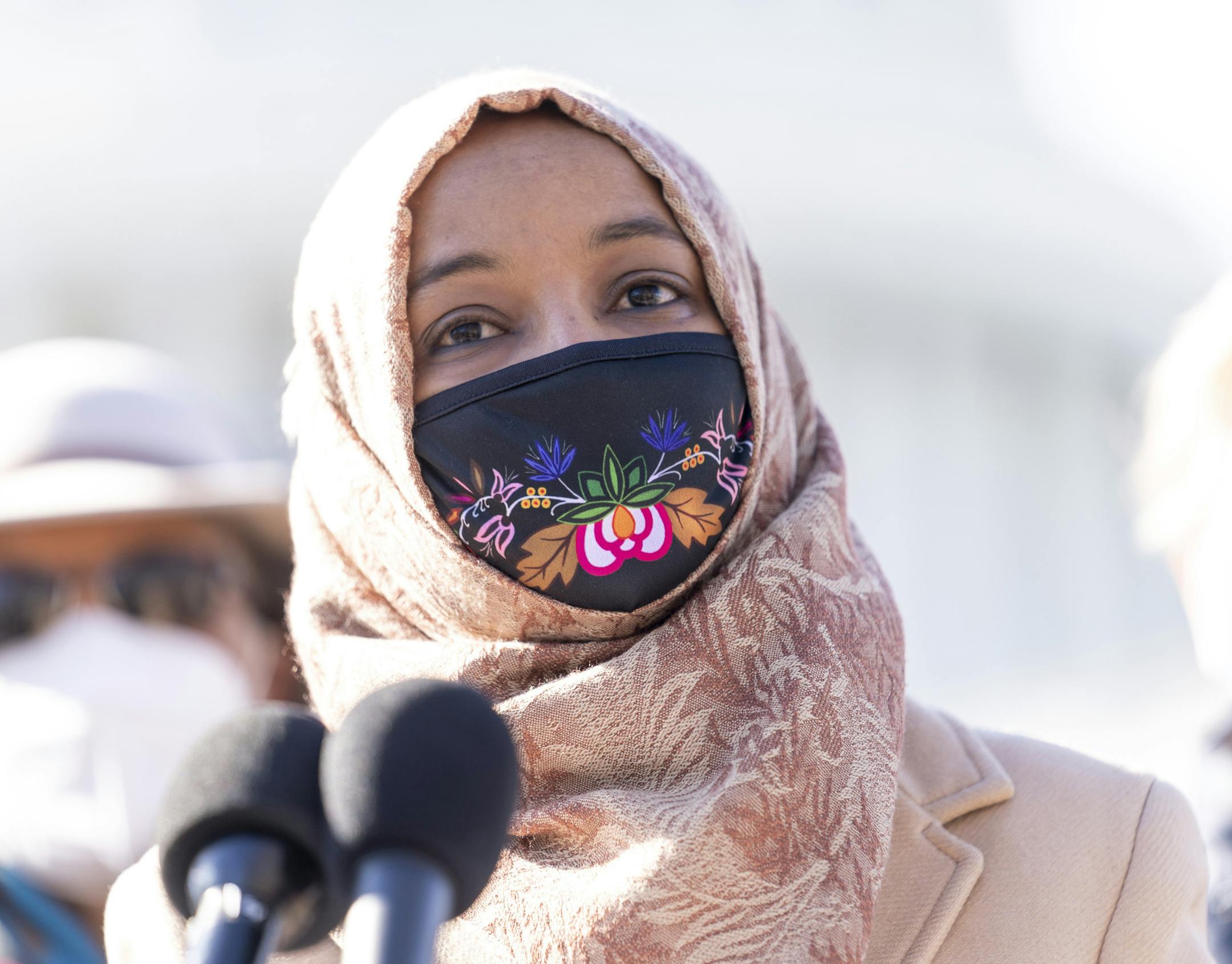
U.S. Rep. Ilhan Omar was optimistic that Democrats would be able to get the legislation, formally titled H.R. 1, to move forward. That's despite Senate Democrats apparently lacking the votes to scrap the filibuster, a legislative tactic that requires 60 votes in order to proceed on most major legislation.
"I believe that there will be a turning point when the senators who are allowing the Republicans to obstruct progress for our country will have to make a decision," said Omar, who, like other Democrats in the Minnesota delegation, has worked to shape the voting and ethics package.
"This really is a piece of legislation that is a direct response to the assault of our democracy that has been waged by Republicans," Omar said in a phone interview. "I don't think that there will be an opportunity for this legislation to be bipartisan," she later added.
The For the People Act includes major revamps to elections, campaign finance and ethics rules championed by Democrats but widely criticized by Republican lawmakers. All four Minnesota GOP members in the House voted against the package, while the four House Democrats from the state supported it.
"Tonight's vote was not 'for the people' at all; it was another partisan power grab by Democrats bent on stacking the deck in their favor," U.S. Rep. Michelle Fischbach said in a statement released as the House passed the bill Wednesday night.
Democrats newly in the House majority back in March 2019 passed an earlier version of the legislation, but the Republican majority in the Senate effectively sidelined it.


