

The city of Minneapolis is the most vocal supporter of public transit in our state, including the Southwest Light Rail line. But we may vote no on the project in a few weeks, because of the way freight rail in the corridor was seriously mishandled. The process that brought us the current plan has been flawed, and now we're being asked to vote on something with significant unanswered questions.
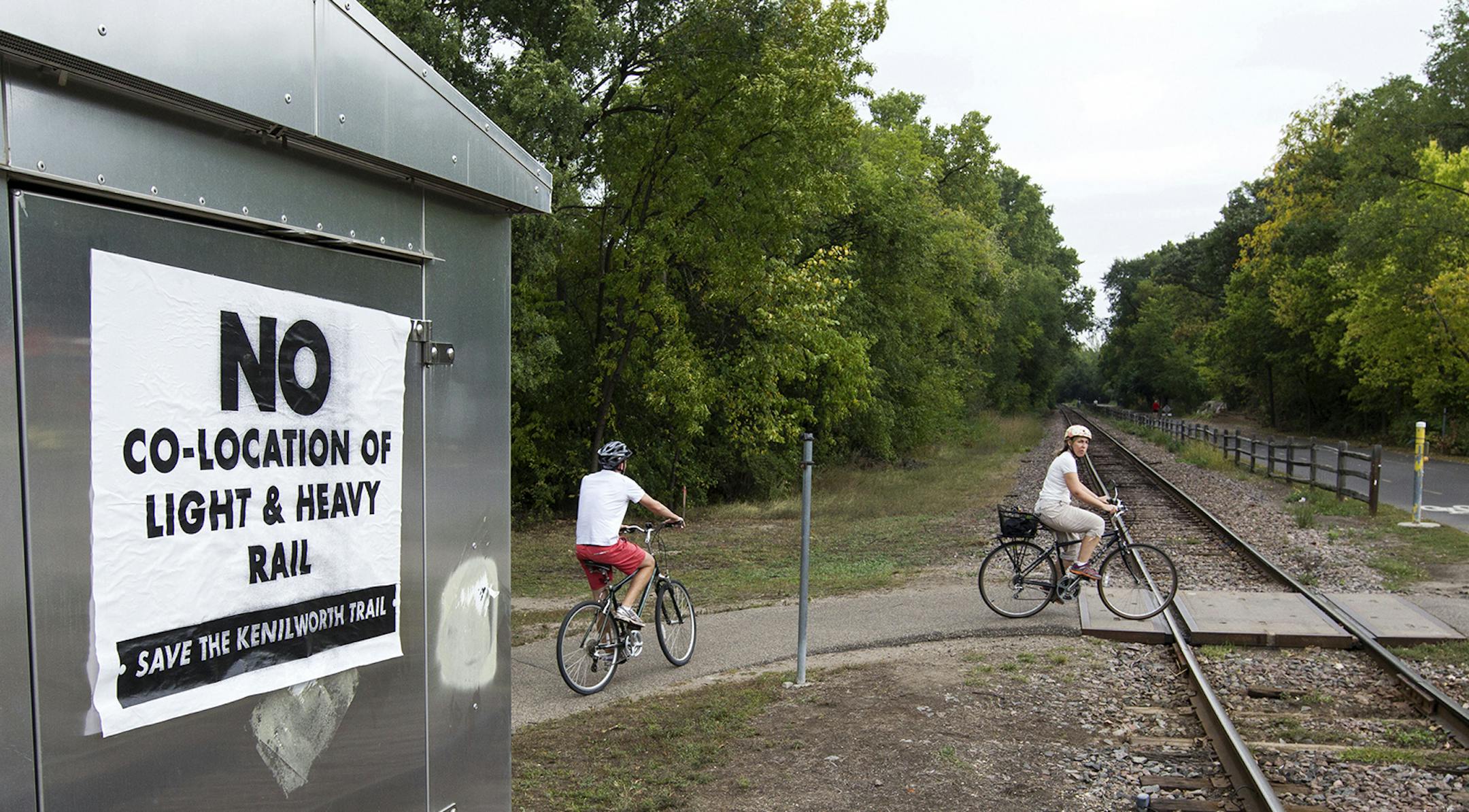
You wouldn't know it by how quickly plans are now changing, but the Met Council — and before that Hennepin County — have been preparing for Southwest LRT for quite some time. Back in the 1980s, the Kenilworth corridor, which at the time was home to a seldom-used freight rail line and not much else, was purchased by the county for potential transit use. That land now includes a busy bikeway, serving thousands of commuters and recreational bicyclists who depend on it to get to and from downtown.
In the late 1990s, the county agreed to let the railroad use the corridor for freight on a temporary basis. But we were assured that once LRT came through, the temporary freight rail line would move for good. We believed the promises.
As to where that freight line would go, we were told it would be redirected to an existing line that runs parallel to Highway 100. Again, we believed the promises.
We've been clear all along that relocating the freight line was a core condition for our approval of Southwest LRT. Without relocation, there's simply not enough space at certain points to add light rail. Just last December, when we were asked to weigh in on the draft environmental impact statement, we stated again that if LRT was coming to Kenilworth, the temporary freight rail line had to leave.
Now, at the 11th hour, we will be handed a proposal where light rail and the freight rail are both packed into the Kenilworth corridor using shallow tunnels. We're told the deal Hennepin County made with St. Louis Park to relocate freight is not legally binding. We have major questions that so far have been left unanswered.
What short- and long-term impacts will the tunnels have on our regional trails, our tree canopy and the hundreds of thousands of people and visitors who use them every year? How will this impact our lakes and their fragile ecosystems? Are shallow tunnels really more feasible than moving freight rail? Now that the price tag exceeds $1.5 billion, should we revisit earlier alignments that were rejected due to cost?
These are valid, logical questions. But we're being asked to make a thumbs-up or thumbs-down decision before we have any answers.


