DIVIDED COUNTRY
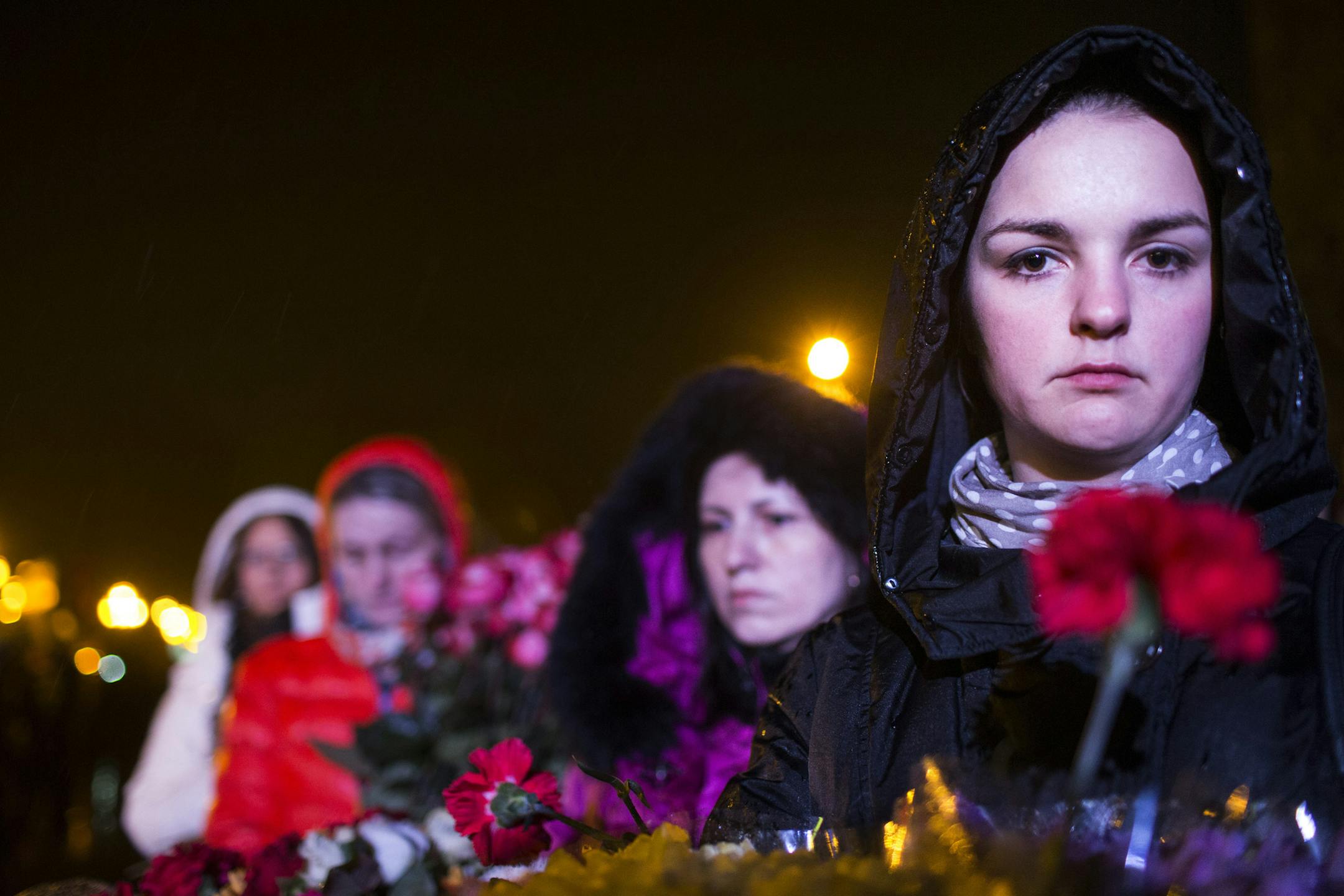
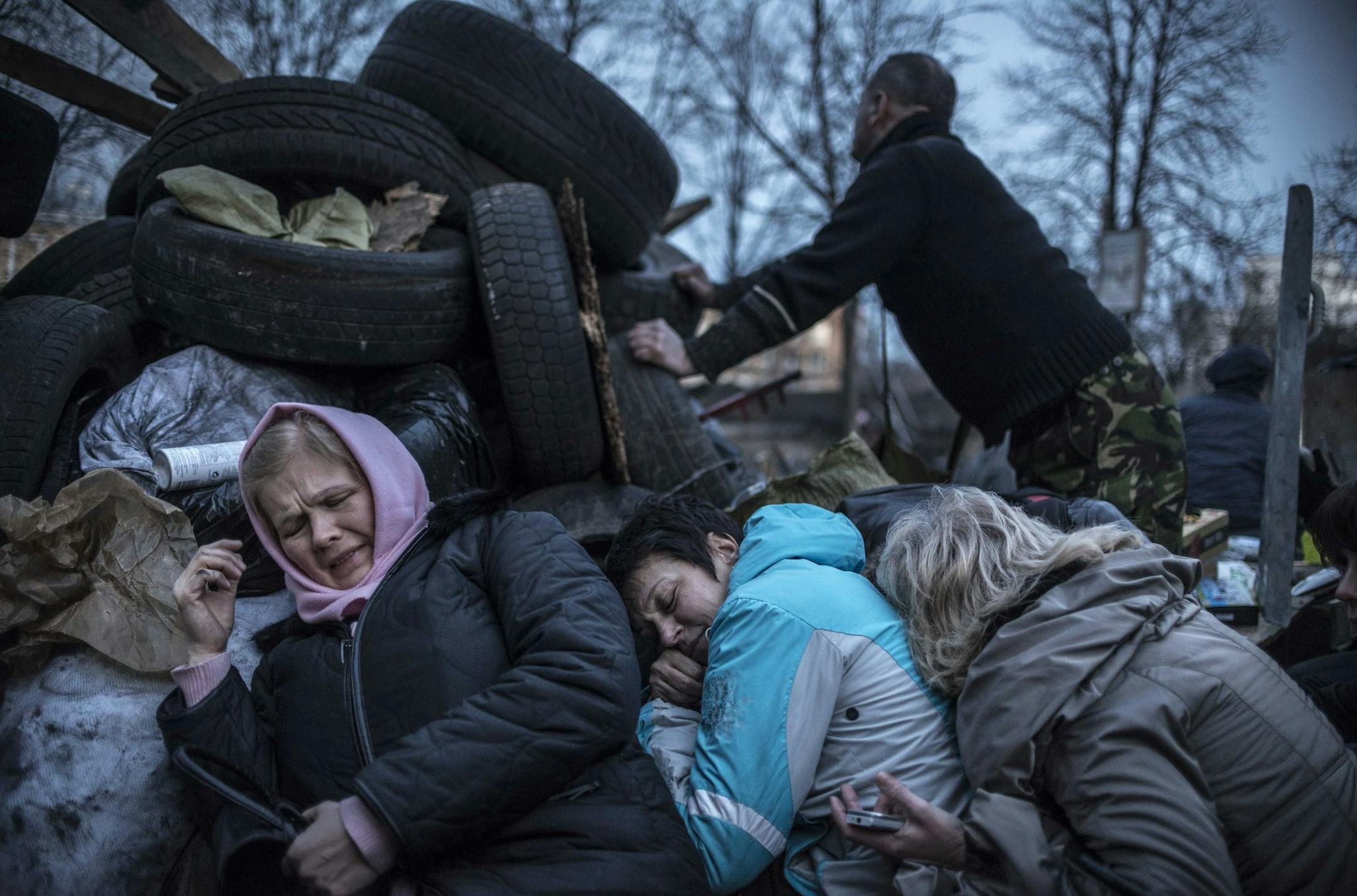
The protests began in November when President Viktor Yanukovych abruptly refused to sign a free-trade agreement with the European Union, opting for closer ties with Russia. Yanukovych is widely despised in western Ukraine, but has strong support in the Russian-speaking east, where he's from, as well as in the south. The pro-Western demonstrators saw Yanukovych's move as a betrayal of national interests and submission to Moscow. Their numbers swelled to hundreds of thousands after a brutal crackdown by riot police. His supporters, meanwhile, see the opposition as manipulated by the West, and feel greater economic and cultural connection to Russia.
DETAILS OF THE DEAL
The president and opposition leaders signed a deal that calls for:
• Early presidential elections
• Reducing president's power, including ability to fire cabinet
• The withdrawal of protesters from streets and squares.
• An investigation of the recent violence, which saw protesters shot by snipers
• Stipulates that no state of emergency — which would have given police more powers — will be imposed
THE OPPONENT
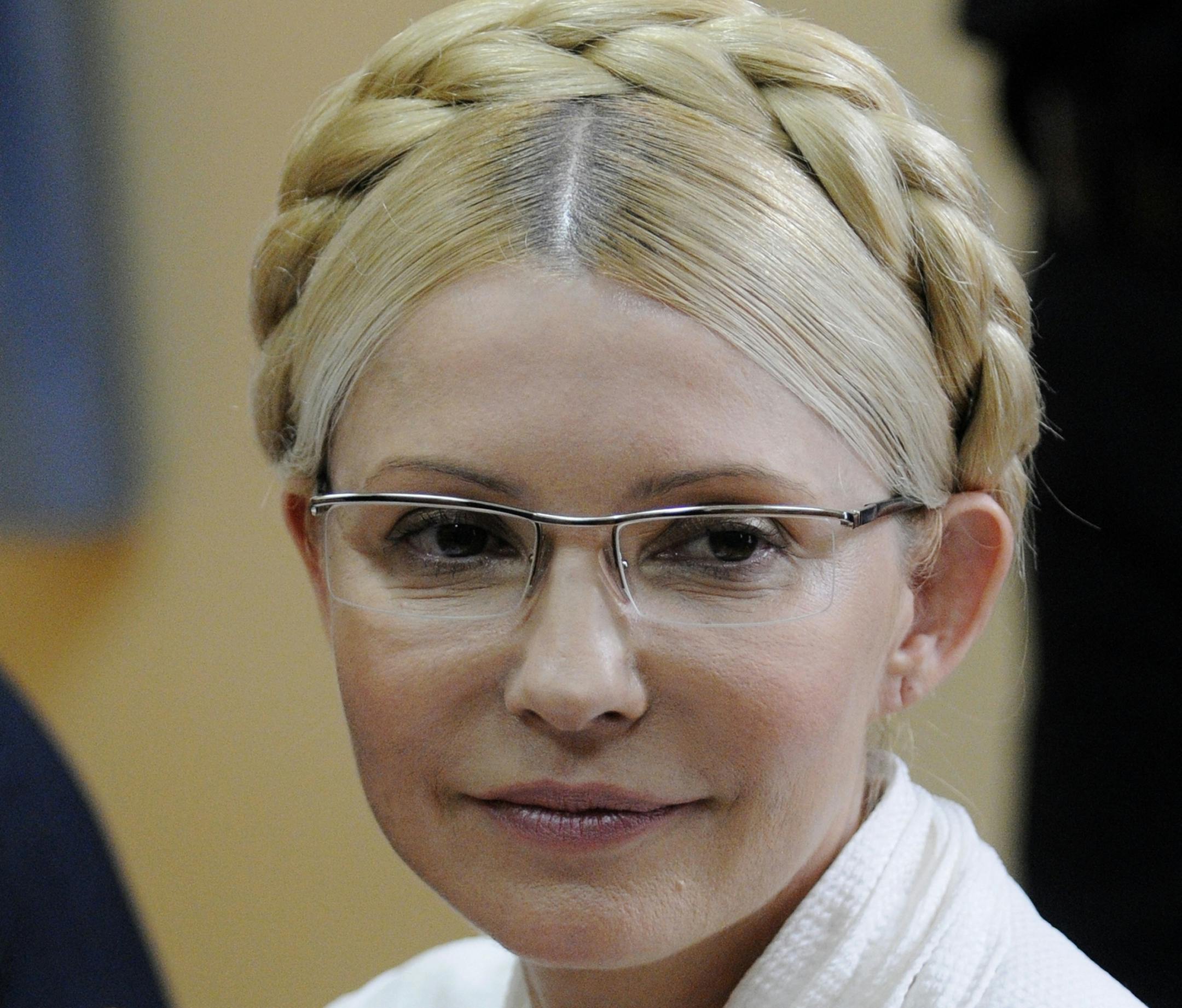
Parliament also voted to release from prison former Prime Minister Yulia Tymoshenko. Tymoshenko, a longtime rival of Yanukovych who is known as the princess of the 2004 Orange Revolution, was found guilty of abuse of power in 2011 and sentenced to seven years in prison. She lost the 2010 election to Yanukovych and was accused of exceeding her powers in signing a gas deal with Russia in 2009. Political scientist Igor Popov said she could become the most likely candidate for the next presidency.