

The ouster of UCare as an insurer in most of Minnesota's public health care programs could have an unintended consequence: A squeeze on the training of much-needed family practice doctors in the state.
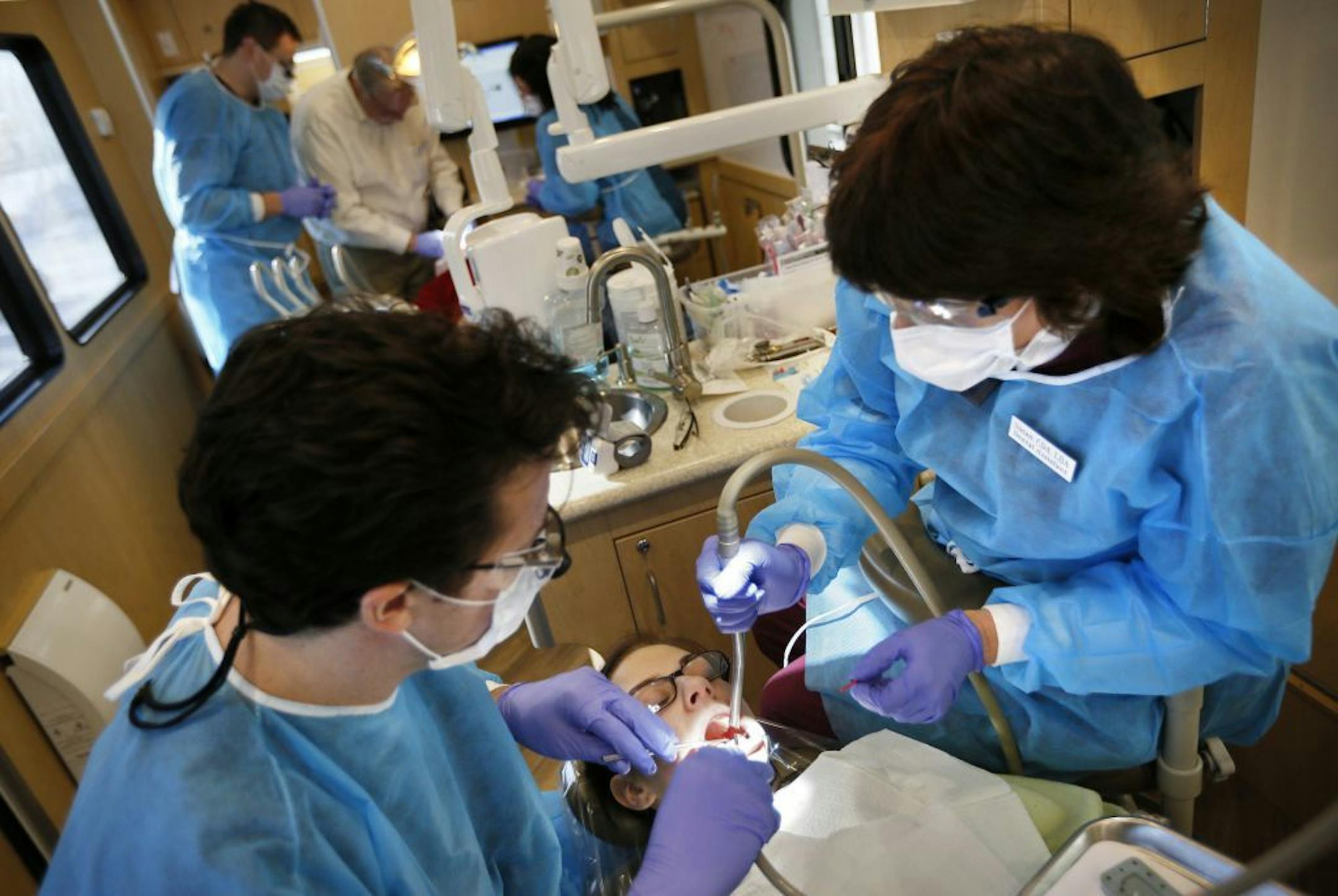
As part of its mission, the Minneapolis health insurer has diverted excess revenue — often $4 million to $10 million per year — to the University of Minnesota's Department of Family Medicine and Community Health. And over time, that money became the department's primary funding for the training of 150 residents — doctors who have completed medical school and need on-the-job training in hospitals and clinics.
"We would have been asking for millions from the state and the medical school to sustain this enterprise if it had not been for UCare," said Dr. Macaran Baird, chairman of the university department and UCare's board of directors.
The funding was put at risk this year when a public bidding process eliminated UCare as a provider of health insurance in 2016 to low-income Minnesotans through the state's Medical Assistance and MinnesotaCare programs. Roughly half of UCare's annual revenue comes from these programs.
Losing the bidding process was such a shock to UCare, which this year served 370,000 low-income Minnesotans through state programs, that the organization sued the Minnesota Department of Human Services (DHS) and claimed that the process was biased. An injunction that would have retained UCare as a provider in 2016 was denied, but the lawsuit is still proceeding. UCare also could remain a provider in individual counties that are challenging the bid results.
But Baird said the family medicine department can't count on UCare's support — and either needs to ask the state for as much as $4 million per year to make up the difference or trim its training program.
A threat to family medicine education funding is ill-timed for Minnesota, which is projected to have a shortage of 800 doctors in its rural areas within a decade. Concerned about the shortage, legislators this summer increased loan forgiveness funding for new doctors who commit to serving high-need corners of the state, and to create a special program to support immigrant or refugee doctors through their residencies.
In theory, the state saved so much money from competitive bidding for Medical Assistance and MinnesotaCare that some could be considered for medical education. The DHS has estimated savings of $173 million next year through bidding, which winnowed the providers of state health insurance to a smaller group that included Blue Cross and Blue Shield of Minnesota, HealthPartners and Medica.


