
U will discuss Rosemount mining plan with public

The proposal would be first sign of transformation for UMore Park, envisioned as an eco-friendly and education-rich community.

January 28, 2009 at 6:26AM
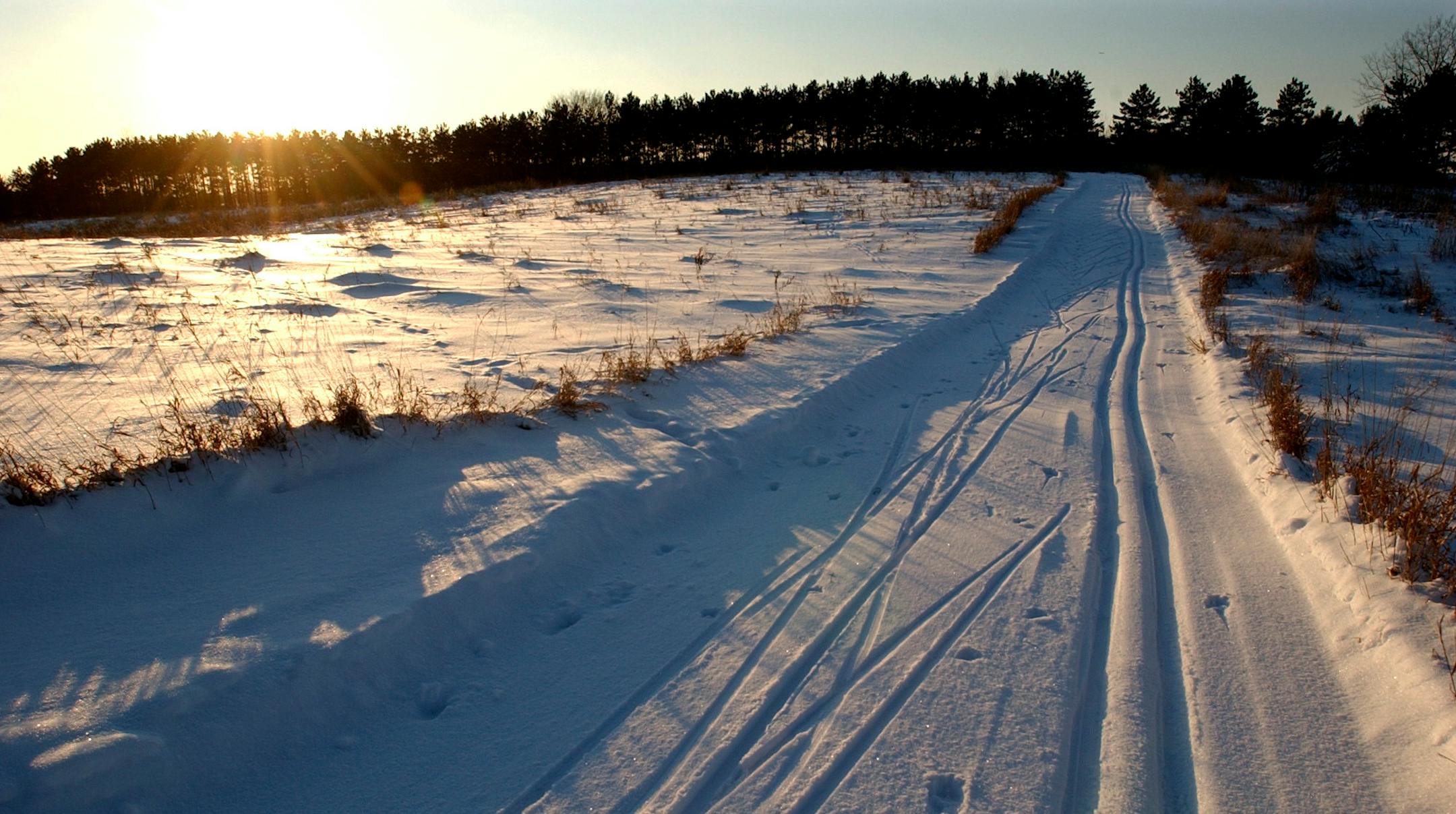
Joey McLeister � jmcleister@startribune.com Rosemount,Mn.,Sat.,Dec. 17, 2005--Lone Rock Trail within UMORE Park near Rosemount has 11 miles of groomed trails requiring intermediate skiing skills. The trails wind through woodland and agricultural land within the University of Minnesota's 7500-acre research facility. The trail was designed by Prof. Mel Baughman, an expert in recreational trail design with the University of Minnesota College of Natural Resources. GENERAL INFORMATION: The cross coun
Lone Rock Trail, part of UMore Park, has 11 miles of groomed ski trails that wind through woods and farming land within the university’s research facility. The U would like to pursue sand- and gravel-mining on 1,711 acres of its property. (Star Tribune/The Minnesota Star Tribune)

The University of Minnesota is digging into its plans for UMore Park.

Representatives from the U will present a sand- and gravel-mining proposal at a public meeting Feb. 5 in Rosemount. The gathering, at which the public will have a chance to ask questions and offer feedback, is one step of an environmental review process that must be completed before a mine could open.

Based on the results of the review to be completed by early 2010, the university will decide whether to pursue mining on 1,711 acres of the 5,000-acre property in Rosemount and Empire Township.

The mining would be one of the first signs of transformation for the swath of largely open land, owned by the university since the 1940s, that university officials envision as a master-planned environmentally friendly and education-rich community. Development of the site west of Hwy. 52 in Rosemount has been talked about for years and could add as many as 30,000 residents to the city.

But the mining on the western portion of the property, not far from businesses and residences, could kick up dust, add truck traffic and raise environmental concerns.

Charles Muscoplat, the university vice president leading the UMore effort, said he expects people attending the meeting to ask about those issues, but he added that the university would work to lessen those effects.

A berm could be built to hide the mine from sight, and the ground could be moistened to keep dust down, for example.

And in the end, the mining would transform the relatively flat UMore landscape into rolling hills and lakes.

"When we go dig the gravel out and when it comes time to re-contour, you would have sort of a rolling landscape, but some spots would be too deep to landscape and they do fill naturally with water," Muscoplat said.

The initial income generated by mining and the development will be used to repay the U's planning expenses. After that, Muscoplat said, any revenue will go toward an endowment to support academics.

But commercial or residential development, planned to begin along County Road 42 while mining happens in the western portion, is still at least a couple of years away. The university has to find a developer, file site plans and apply for permits. Even after all that is done, moving forward depends on a rebound in the economy.

"When we're ready, hopefully the market for real estate has improved," Muscoplat said. "If it's not improved, then we just wait."

Kim Lindquist, Rosemount's community development director, said city employees plan to attend the meeting. Like residents, she said, they want to learn about the mining's potential impact on the city.

She is particularly curious about how the university will coordinate simultaneous mining and development on the land in the middle of the city, she said.

"It's something we're very excited about, but obviously it can make a big impact on our community so we need to make sure it's done right and integrated with existing residents," Lindquist said.

Katie Humphrey • 952-882-9056

about the writer

about the writer

Katie Humphrey

Regional Team Leader

Katie Humphrey edits the Regional Team, which includes reporters who cover life, local government and education in the Twin Cities suburbs.

See Moreicon