

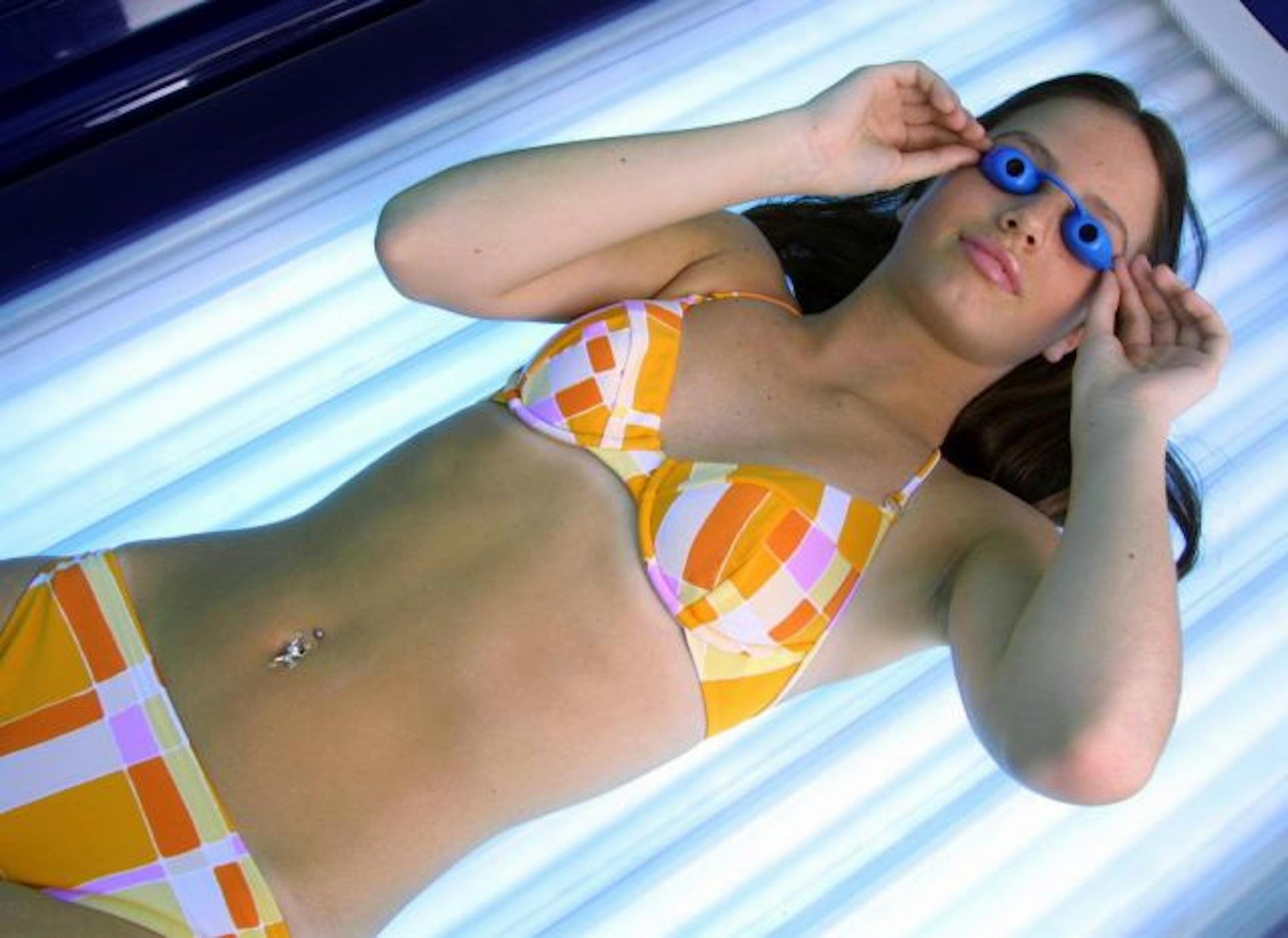
People who use tanning beds frequently have up to three times the risk of developing the deadliest form of skin cancer -- no matter how old they are when they start -- according to a study published Thursday by researchers at the University of Minnesota.
The study, based on the experience of more than 2,000 Minnesotans, is the most definitive link yet between exposure to artificial ultraviolet light and melanoma, experts say, and could influence the Food and Drug Administration (FDA) in a pending decision on whether to tighten regulation of tanning salons. A ban on indoor tanning for teenagers is even possible.
"This could affect how the FDA will rule," said Dr. David Fisher, a melanoma expert and a professor of dermatology at Harvard University, who was not involved in the study.
The indoor tanning industry took issue with the findings Wednesday, even before the study was published online Thursday by the journal Cancer Epidemiology, Biomarkers and Prevention.
"There are many more studies that have failed to find a relationship," said John Overstreet, executive director of the Indoor Tanning Association. "They are trying to influence the FDA and I think that's not right."
DeAnn Lazovich, an epidemiologist and lead author of the university's study, said it proves tanning beds "are an important risk factor than can be avoided."
Fisher said he wished the research had been made public in March, when an expert panel met to debate increasing the federal regulation of indoor tanning. Many experts who testified urged the panel to recommend more stringent rules and to restrict tanning by minors. The FDA has not yet made a decision.
"It's frustrating that it's coming out now," Fisher said of the study.


