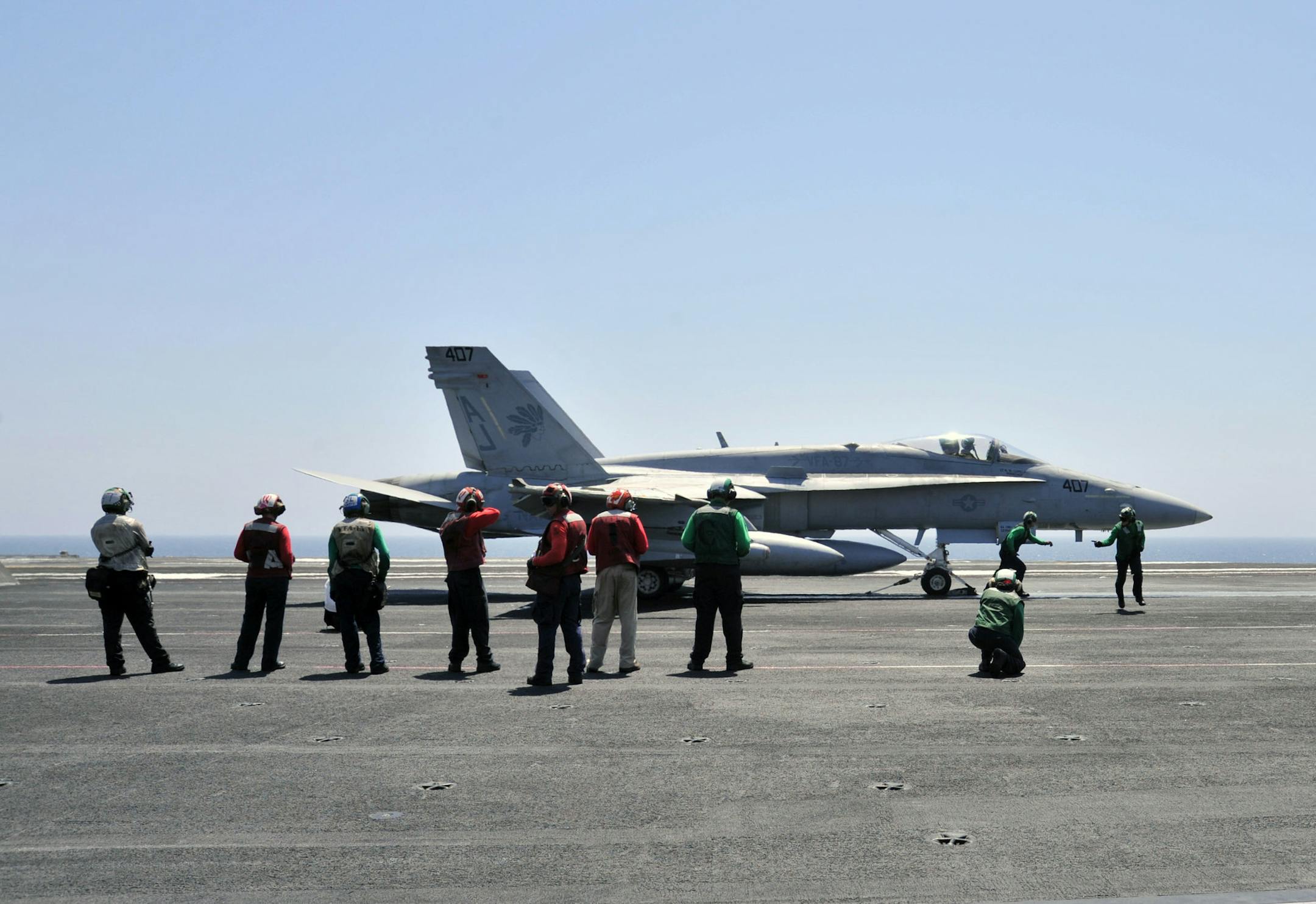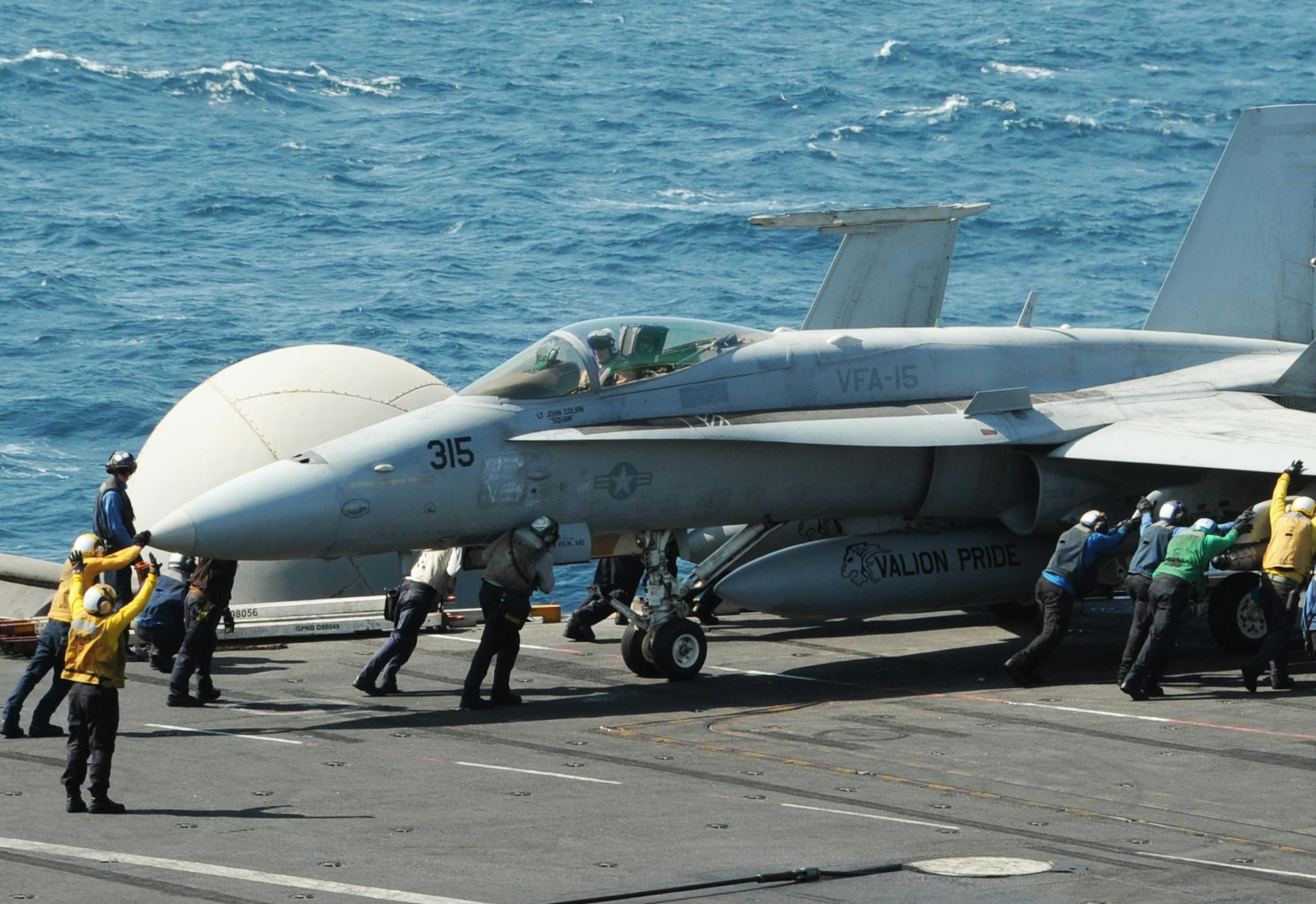
DOHUK, Iraq – The United States launched a series of airstrikes against Sunni militants in northern Iraq on Friday, using Predator drones and Navy F/A-18 fighter jets to destroy rebel positions around Irbil.
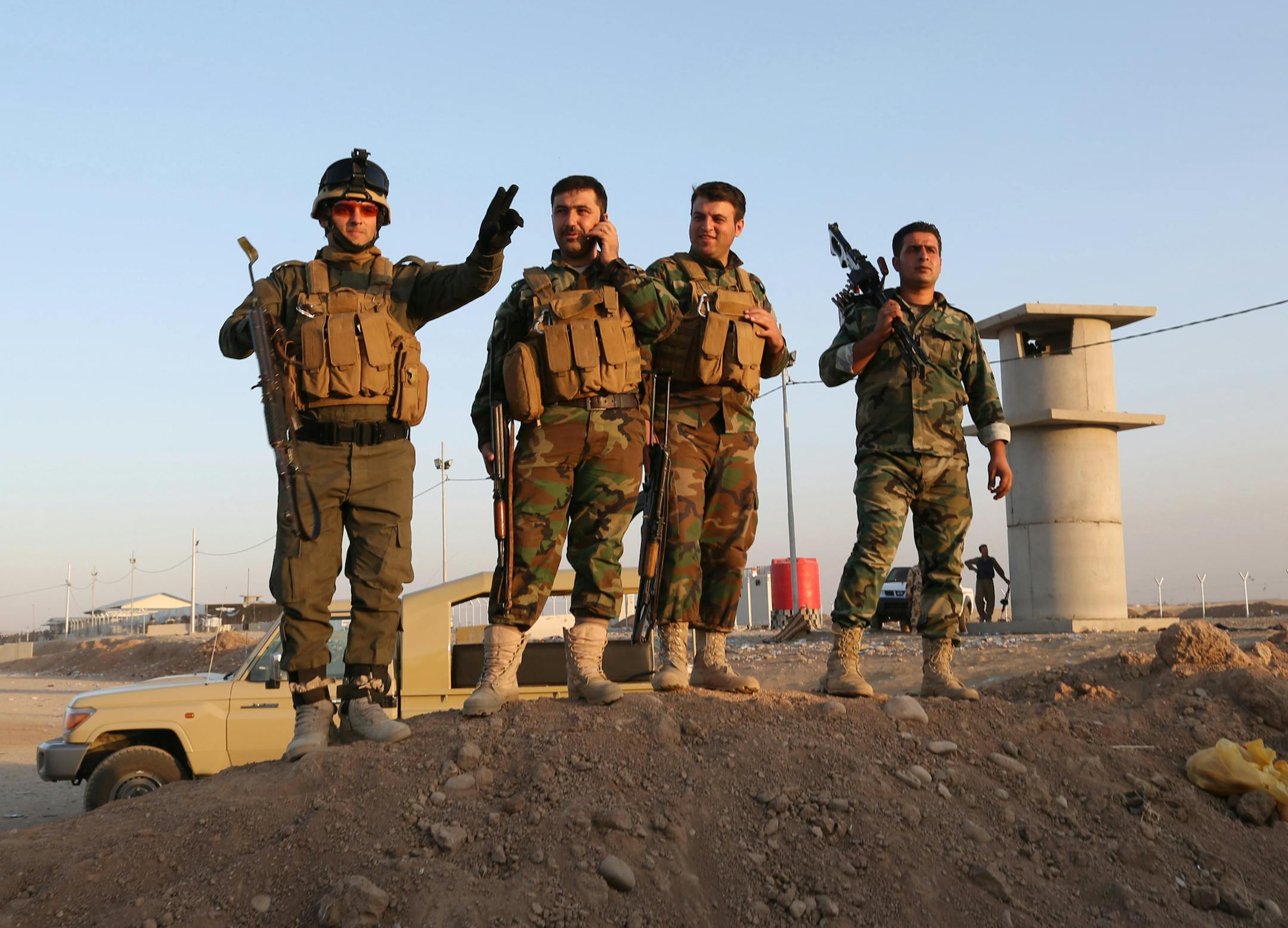
The strikes were aimed at halting the advance of militants with the Islamic State of Iraq and the Levant (ISIL) toward Irbil, the Kurdish capital, which is home to a U.S. Consulate and thousands of Americans. The action marked the return of the United States to a direct combat role in a country it left in 2011.
Warplanes dropped 500-pound laser-guided bombs on a number of targets: a mobile artillery piece that was being towed from a truck and had begun shelling Irbil, a stationary convoy of seven vehicles, and a mortar position. The military also used a remotely piloted drone to strike another mortar position on Friday afternoon. After the first strike, it said in a statement, the militants "returned to the site moments later" and "were attacked again and successfully eliminated."
Defense officials expressed confidence that they could achieve within a few days one of President Obama's stated goals: stopping the advance of the militants on Irbil.
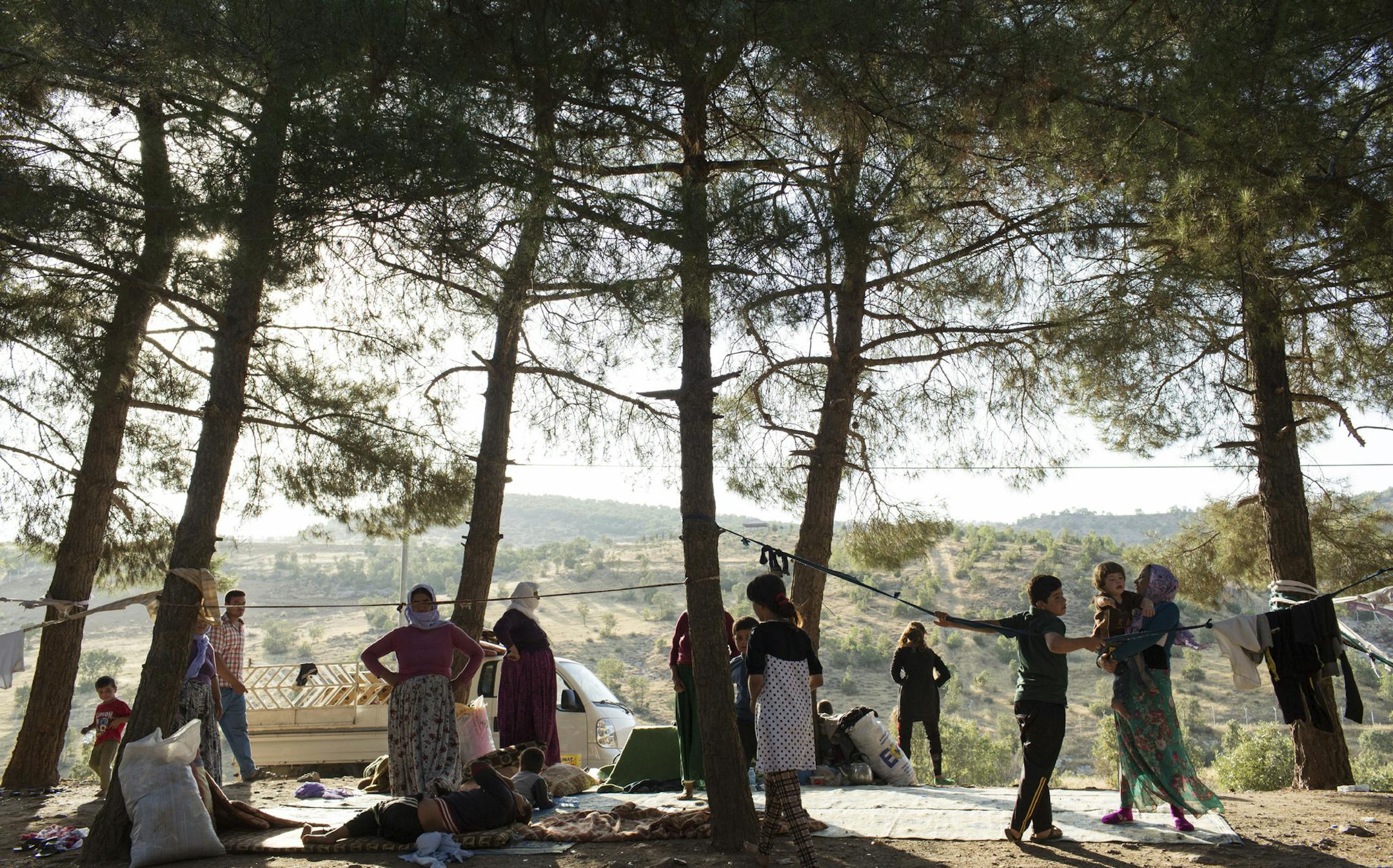
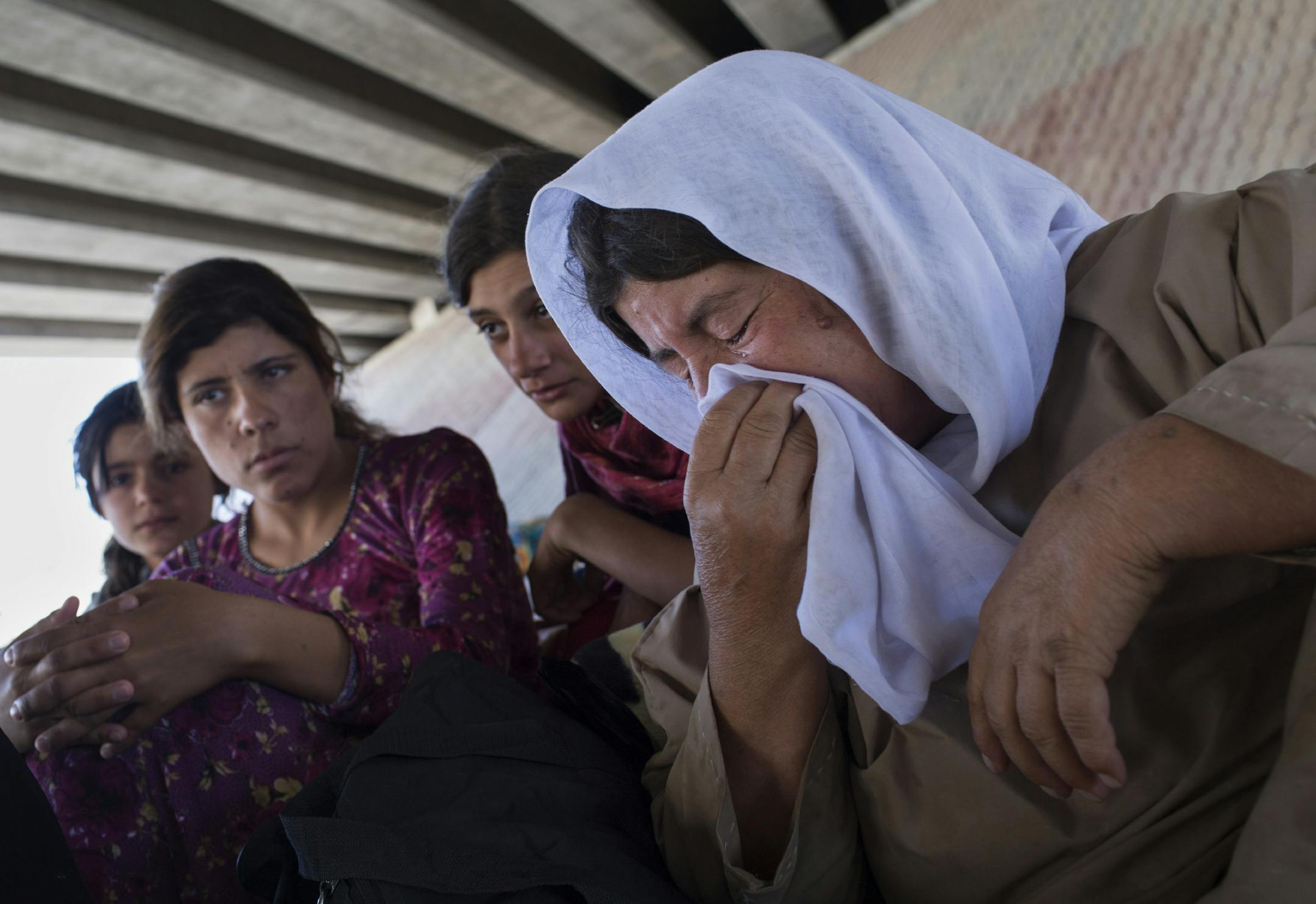
Less certain was whether the other objectives Obama had announced — breaking the siege on tens of thousands of refugees stranded on Sinjar Mountain and protecting Americans in Baghdad — could be achieved as quickly, given the instability of Iraq's internal politics and the difficulty of protecting and evacuating the stranded people.
While Obama said Thursday night that he had authorized military strikes, if necessary, to help liberate the refugees on Sinjar Mountain, all of the military attacks on Friday were directed toward stopping the militants' advance.
The leader of ISIL sent a defiant message to the United States in an audio statement posted on YouTube in June, and recirculated on Twitter on Friday. "This is the message of the leader of the faithful," the leader, known as Abu Bakr al-Baghdadi, wrote in a message addressed to "America, the defender of the cross."
"You should know, you defender of the cross, that getting others to fight on your behalf will not do for you in Syria as it will not do for you in Iraq," he said. "And soon enough, you will be in direct confrontation — forced to do so, God willing. And the sons of Islam have prepared themselves for this day. So wait, and we will be waiting, too."