

CLEVELAND, Ohio - For years, the smell of gas wafting through the grounds of the Franciscan Village senior housing facility in Cleveland was a joke among its residents, although they did not realize where the odor was coming from. A few months ago they found out.
An old gas well left unused since the 1950s had broken its clay plug, and methane and other chemical compounds were seeping out, just a few dozen feet from the three apartment buildings making up the 176-unit independent living facility.
"There were a couple of chairs back there, and I'd just sit around and read or listen to the birds, and it was beautiful. And all of a sudden, you'd go, 'Oh my god, I've got to leave,'" said Susie Black, a resident for nearly eight years, recalling the nasty smell.
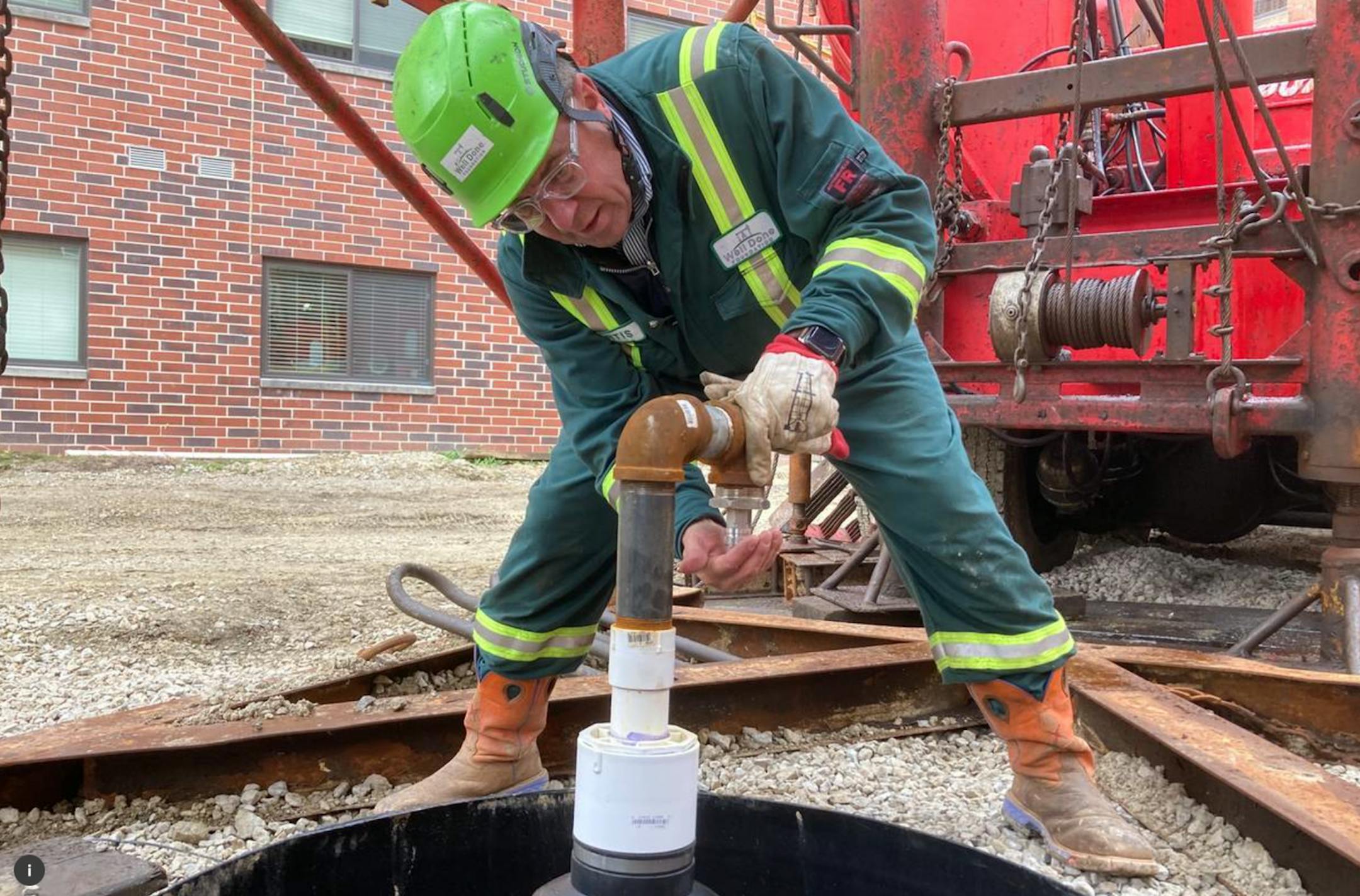
This year, construction at the facility uncovered the leaking well — and prompted quick action. Curtis Shuck, chairman of the nonprofit Well Done Foundation that has been plugging the well, pointed to two nearby buildings, both just 30 feet away.
He was squatting under a large rig that would be used to drill out the culprit: a shallow hole with an old 6-inch metal pipe going down perhaps as far as 2,700 feet — no one was sure, he said.
For the first time, the U.S. government is giving such old wells major attention in an effort to curb pollution, reduce climate-heating emissions of methane, and create green jobs.
In November, it allocated $4.7 billion to tackle the problem of the orphan wells nationally.
This month officials released final guidance on how states could start applying for the money. Already 26 states — almost every one with documented orphan wells — have indicated they intend to apply for the grants, according to the Interior Department.


