

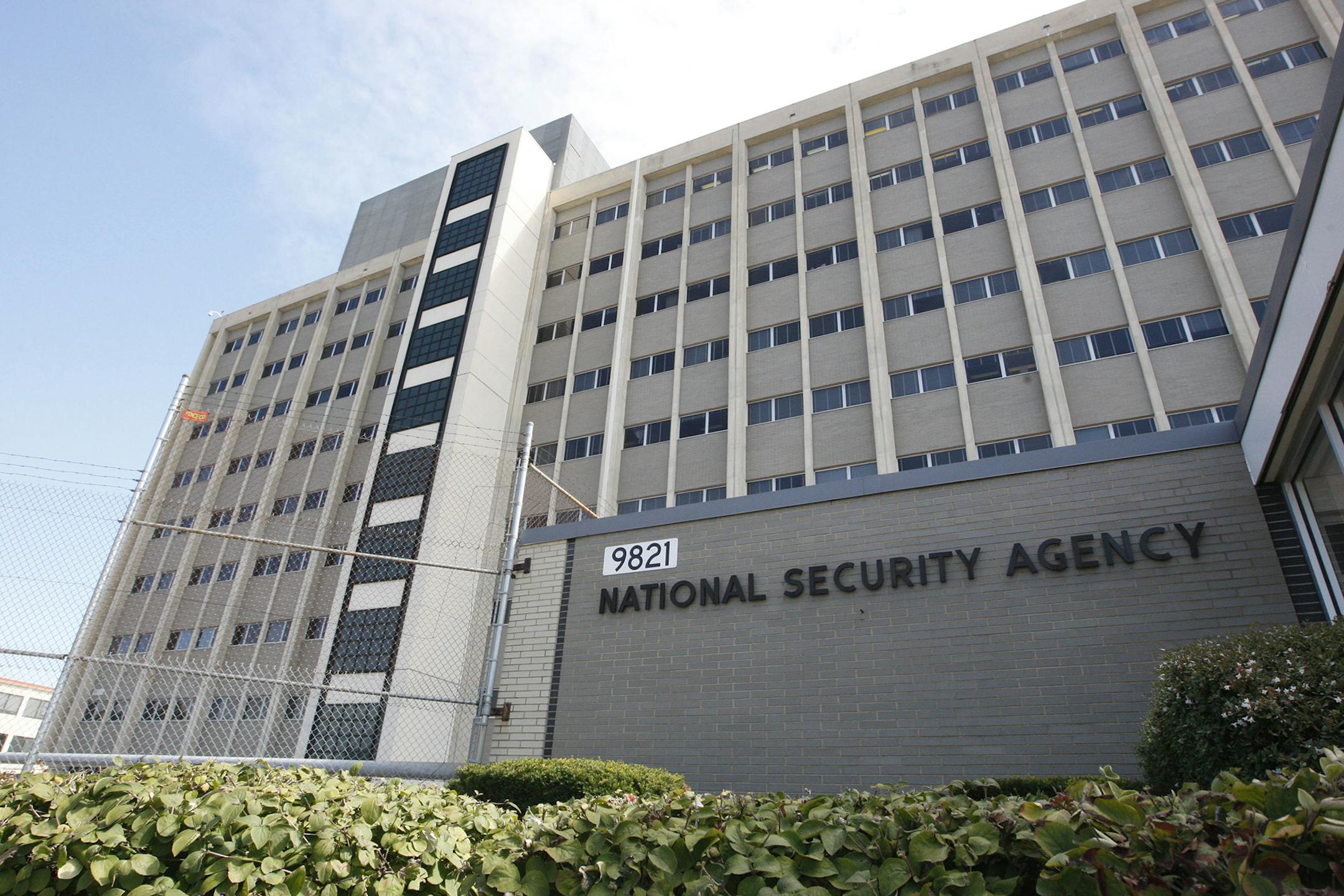
The revelation that the U.S. government has allegedly intercepted communications of United Nations Secretary General Ban Ki-moon, and that it has eavesdropped on German Chancellor Angela Merkel and perhaps other allied leaders, leaves little room for doubt. The U.S. government's espionage capabilities have outpaced its judgment on how to use them.
Spurred by the seemingly never-ending leaks about National Security Agency methods, President Obama ordered a full review of domestic and foreign intelligence collection. Reportedly he's already considering ending the espionage on allied leaders. But as happens all too often, the Obama administration is reacting to a challenge instead of preventing one. Instead of thoughtfully applying limits, America has yet another self-inflicted, deeply damaging diplomatic crisis on its hands.
In the case of Germany, the administration's defense, now becoming commonplace, is that the president was unaware that Merkel's line had been tapped. If true, the president is disengaged. If not, he's disingenuous. Neither is acceptable.
If he was unaware, any knowledge gained from surveilling allies would seem to be of little use, since any resulting shifts in foreign policy would need to be carried out at the executive level. Intelligence gathered and not shared would make this miscalculation even more senseless.
No matter who knew, the cost-benefit calculation was poorly considered. The United States needs allies like Merkel to help accomplish its foreign-policy objectives. The first objective should be to resolve disputes diplomatically. All allies, especially NATO nations, need to be counted on to help craft and sell negotiated outcomes.
Alienating allies is not only self-defeating, but could result in resorting to the alternative to diplomacy: war. So it's not an exaggeration to consider crises like the ones with Germany, and Brazil before that (as well as others), as matters that can impact war and peace — as life-or-death decisions.
There also can be economic implications to the erosion of trust between allies. Transatlantic trade is already mutually beneficial to the United States and Europe. Efforts to codify trade rules in a free-trade agreement got underway this summer. Like similar pacts, lowering barriers to trade could help millions of Americans and Europeans at a time of stubbornly sluggish job growth in both continents. It won't be any easier to ink a deal, let alone sell it to European citizens, if an espionage-triggered diplomatic row is raging.
To be sure, spying on allies — and being spied upon by allies — is not new. Americans should not be naive about the pure intentions of other nations, even if they are closely associated with U.S. policies.


