

The Mideast peace process has been derailed by ill-considered Israeli and Palestinian decisions. Now the Obama administration must decide if it will still spend diplomatic capital on unwilling partners when several other pressing crises call for the kind of commitment that's been made to the Mideast.
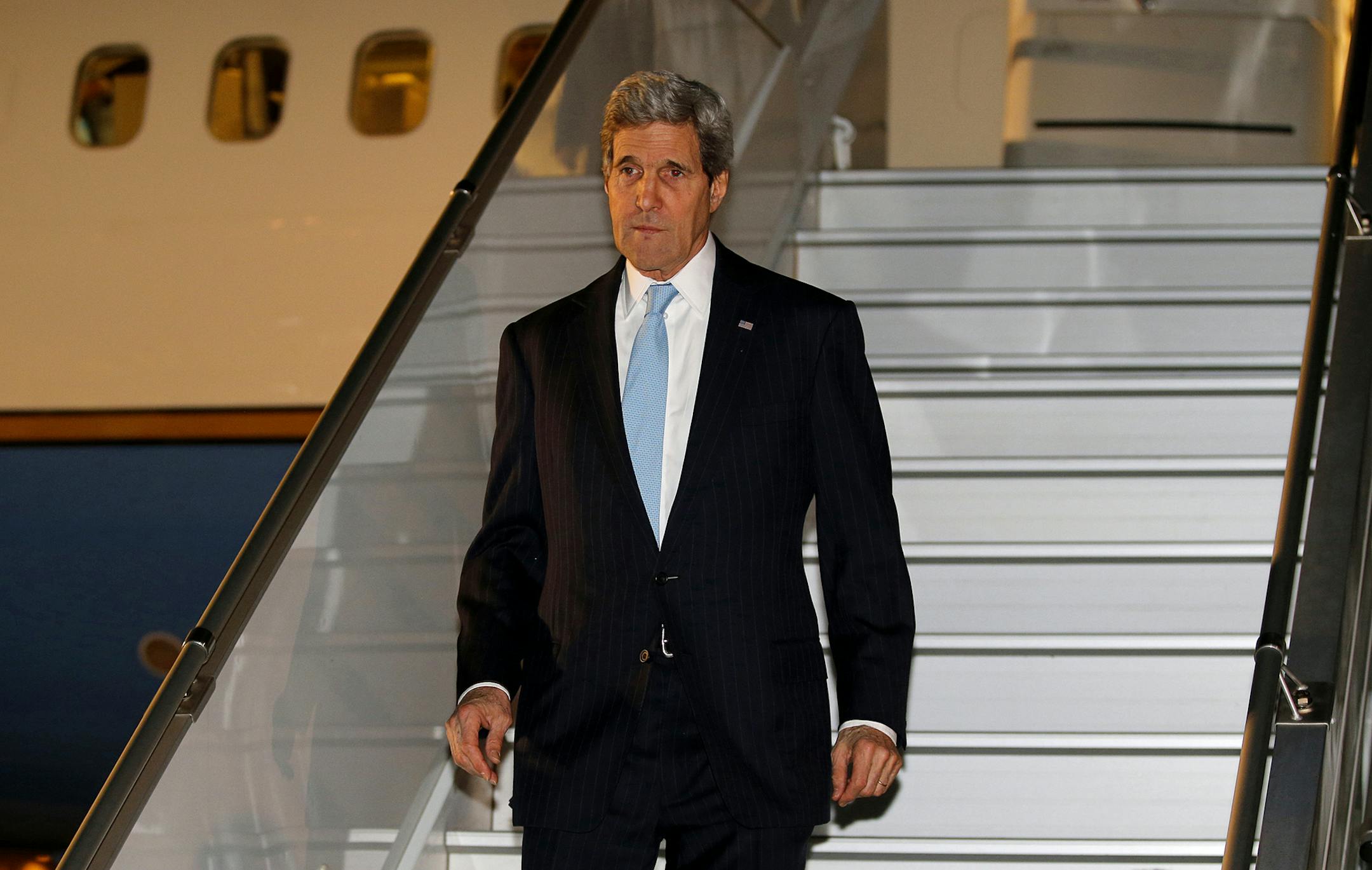
Secretary of State John Kerry said as much to the Senate Foreign Relations Committee. "I hope the parties find a way back," he said. "But, you know, we have an enormous amount on our plate."
A "way back" is needed because of recent counterproductive moves meant to placate Palestinians and Israelis instead of asking citizens to accept necessary compromises. Despite a growing chorus calling for the United States to walk away, the Obama administration must continue to lead.
Both sides are to blame for the stalled negotiations. In intertwined events, Israel balked on a planned Palestinian prisoner release and announced approval of 700 more housing units for Jewish settlers in East Jerusalem. Meanwhile, the Palestinian Authority applied to join 15 international treaties and conventions in an attempt to get recognition from more nations except the one that truly matters — Israel. In response, Israel withheld taxes collected for the Palestinian Authority.
The housing units are counterproductive and controversial even within Israel's government. Justice Minister Tzipi Livni, Israel's chief negotiator, accused the country's housing minister, Uri Ariel, of sabotaging the peace process. If so, he's not the only hostile cabinet member. In January, Defense Minister Moshe Yaalon undiplomatically said, "The only thing that can 'save us' is for John Kerry to win a Nobel Prize and leave us in peace." Yaalon later apologized for his unprofessional and ungrateful comments, but the diplomatic damage was done.
The intra-Palestinian discord is even deeper, since the Palestinian Authority runs the West Bank and Hamas rules Gaza.
Peace will not be possible unless Israeli Prime Minister Benjamin Netanyahu and Palestinian Authority President Mahmoud Abbas pressure their own citizens as hard as they push back at the United States and each other. While they may not act like it, each needs a two-state solution.
In a region roiled by citizen uprisings, it's only a matter of time until mass Palestinian protests, or even a third intefadeh, begin.


