

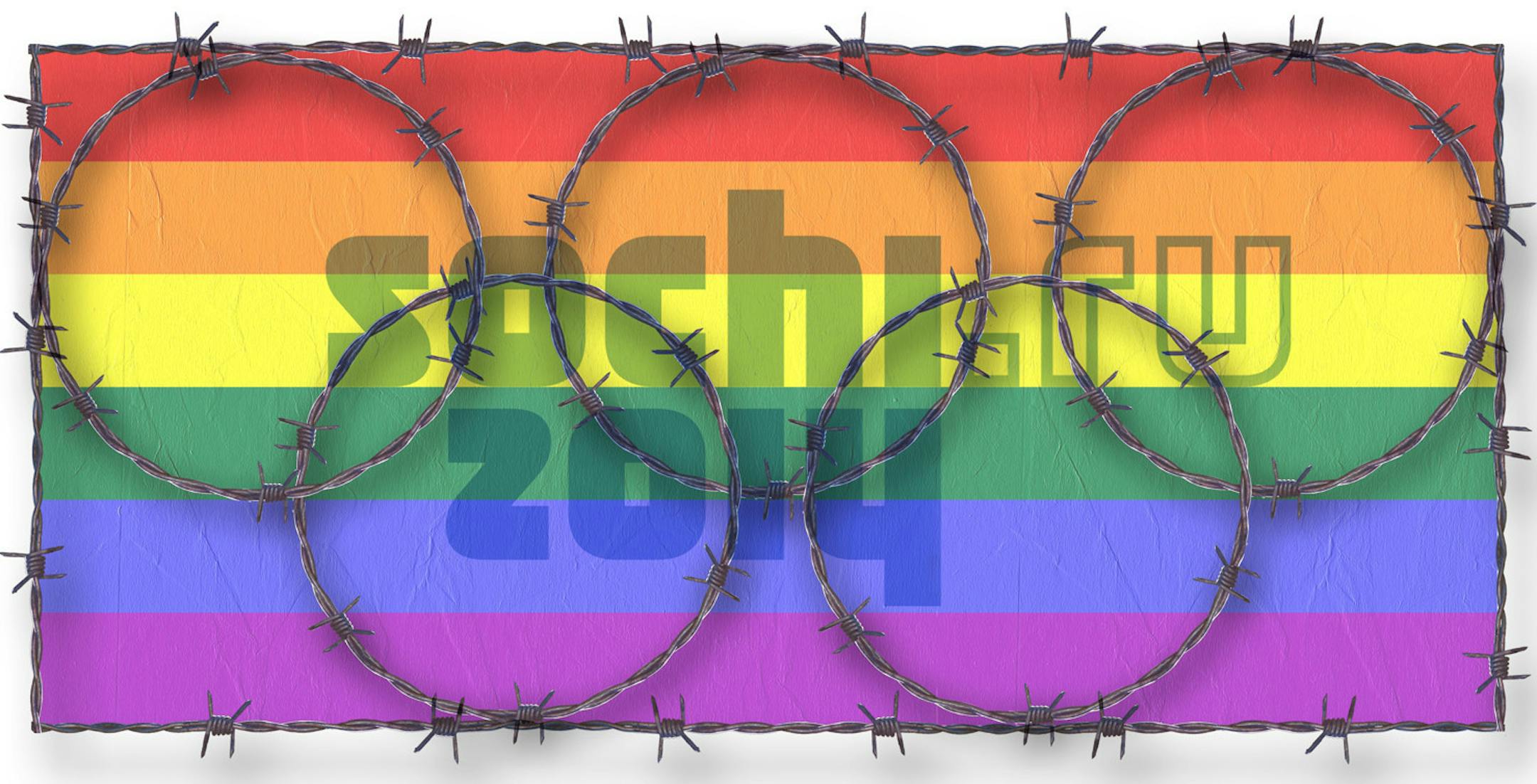
The 1936 Olympics were held in Berlin, Germany, at a time when Jews and other minorities were excluded from most areas of public life. The extermination of Jews in death camps such as Auschwitz was still a long way off, but reports of Jewish athletes being persecuted were well-known.
There were calls for the United States and other Western countries to boycott the Berlin Olympics, but it never happened.
Avery Brundage, president of the American Olympic Committee, opposed a boycott, despite support from many influential individuals and organizations.
After a visit to Germany, Brundage stated publicly that German Jewish athletes were being treated fairly and that the Games should go on as planned — despite the fact that Germany would not allow a single Jew to participate on German teams.
Forty-nine teams from around the world competed in Berlin, more than in any previous Olympics. The Nazis used the Games to present an image of a peaceful, tolerant Germany.
By rejecting a boycott, the United States and other democracies failed to take a stand that might have strengthened international resistance to Nazi tyranny.
And now, 77 years later, there is a parallel with the 2014 Winter Olympics to be held in Sochi, Russia.
Russia has passed shocking new laws criminalizing gay "propaganda" and gay behavior. The "propaganda" legislation was passed by a unanimous parliament. The independent Levada Center found that almost half of Russians believe gays should not have the same rights as heterosexuals.


