

CRISIS IN YEMEN
Trump must compel Saudis to lift genocidal siege
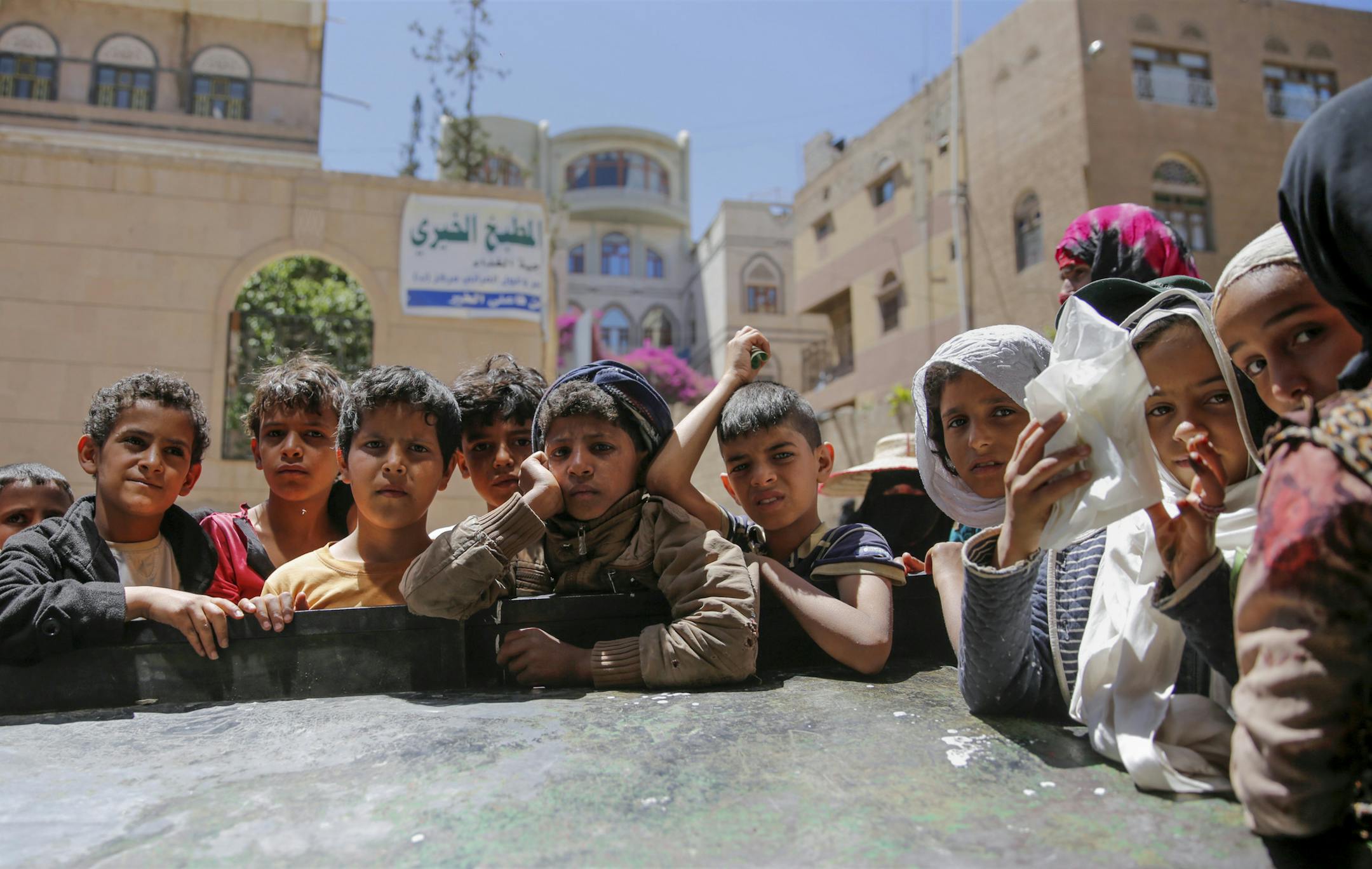
It has been two weeks since Saudi Arabia imposed a land, sea and air blockade on Yemen, a country already devastated by two and a half years of Saudi bombing. Before the embargo, Yemen was suffering from the world's worst humanitarian crisis, according to the United Nations, with 7 million people on the brink of famine and another 900,000 stricken by cholera. Those conditions have now grown far worse — and yet the Saudis persist with their siege.
It is time for the Trump administration, which has indulged the Saudi leadership for too long, to intervene.
Yemen's 28 million people depend on imports for up to 90 percent of their basic needs, including food, fuel and medicine. The vast majority of those imports come through the port of Hodeida, in northern Yemen, which along with the capital, Sanaa, is under the control of Houthi rebels. Saudi Arabia imposed the blockade after a missile allegedly fired by the Houthis came close to its capital, Riyadh. The Saudis blamed Iran for supplying the weapon, though U.N. monitors in Yemen say they have not seen convincing evidence of that.
U.N. humanitarian officials warned that the shutdown would quickly lead to an emergency. Now their predictions are coming true. According to the International Committee of the Red Cross, Sanaa, Hodeida and three other crowded cities — with 2.5 million people in all — have lost access to clean drinking water because of a lack of fuel.
One million children are at risk from an incipient diphtheria epidemic because vaccines are out of reach on U.N. ships offshore. According to Rasha Muhrez, Save the Children's director of operations in Yemen, several governates are down to a five-day supply of the fuel needed to operate flour mills, without which the millions dependent on food handouts will starve. "This blockage has cut off the lifeline of Yemen," Muhrez told us.
Last week, the Saudis began allowing limited humanitarian imports through the southern port of Aden, which is controlled by their Yemeni allies. But that is not adequate access. That's why three U.N. agencies — the World Health Organization, the World Food Program and UNICEF — issued a joint statement last week saying that the continued shutdown of other ports and airports "is making an already catastrophic situation far worse."
A confidential report by U.N. monitors, seen by Reuters, went further, saying the Saudis were violating a 2015 U.N. Security Council resolution on Yemen by obstructing humanitarian assistance.
The Trump administration, through the State Department, has objected to the ongoing blockade and called for "unimpeded access" for humanitarian supplies. But many in Yemen suspect, with some reason, that the White House is tolerating, if not encouraging, the crime. Shortly before the siege was announced, Jared Kushner paid a visit to Saudi Arabia and reportedly met late into the evening with Mohammed bin Salman, the crown prince.


