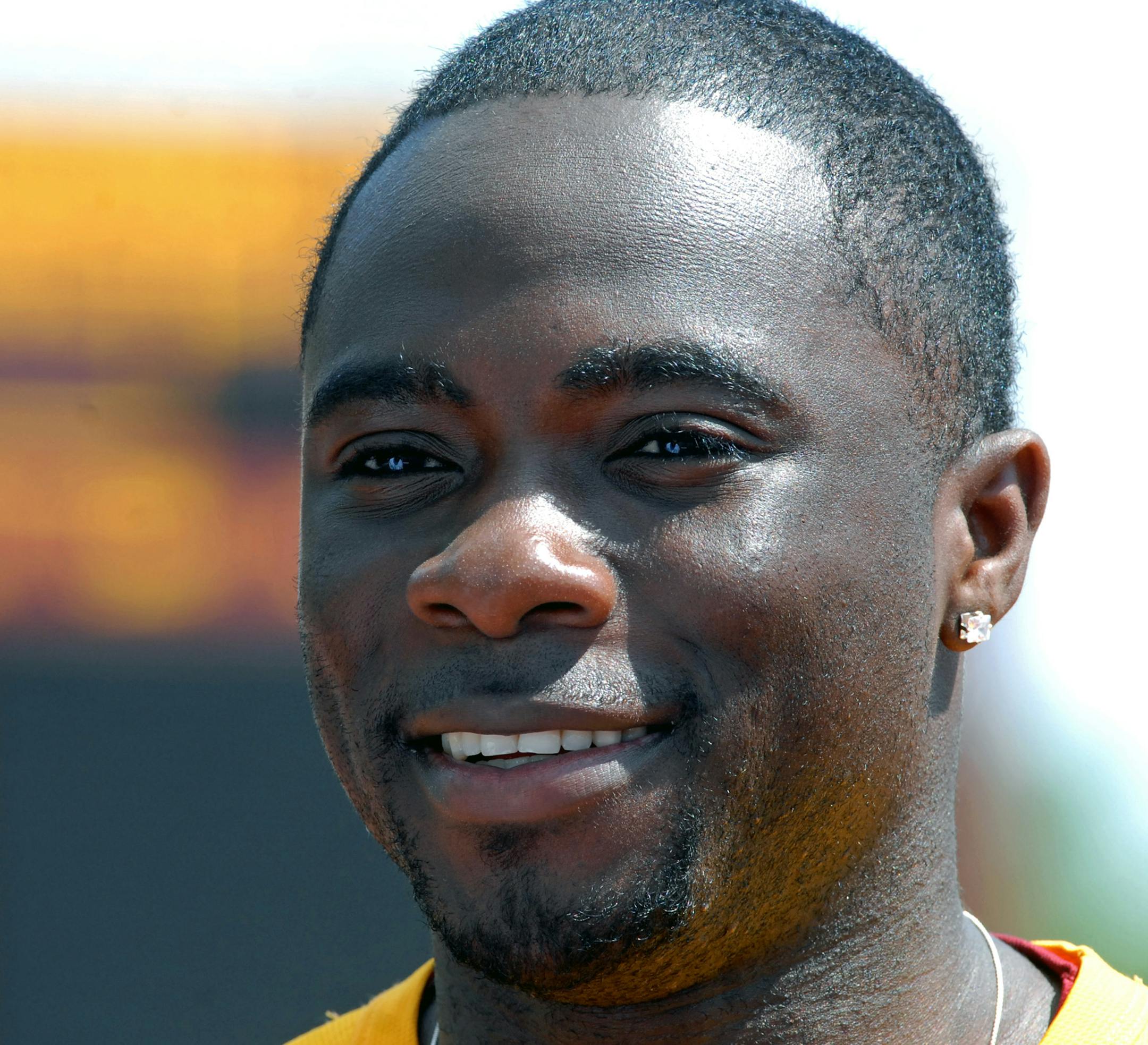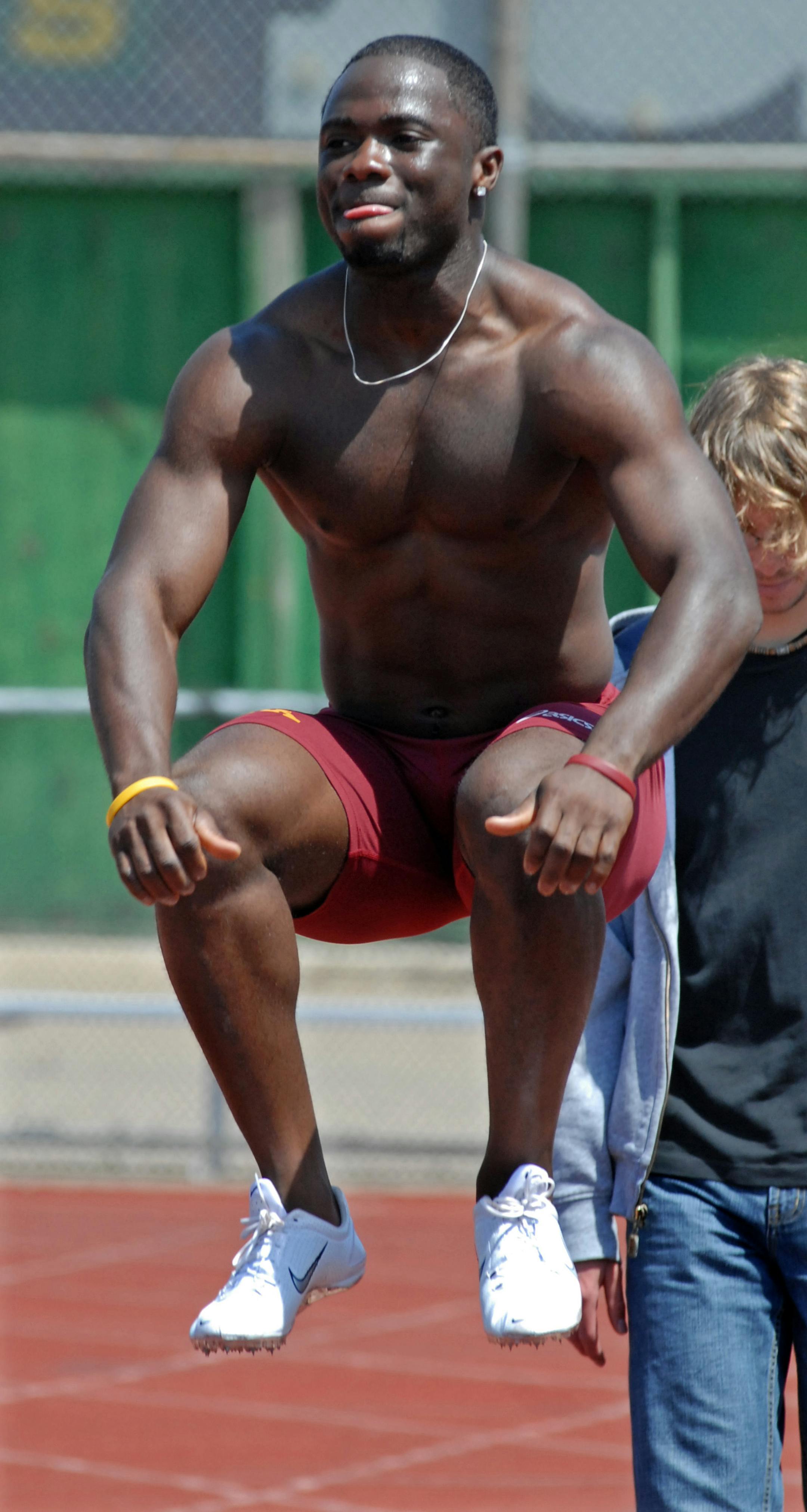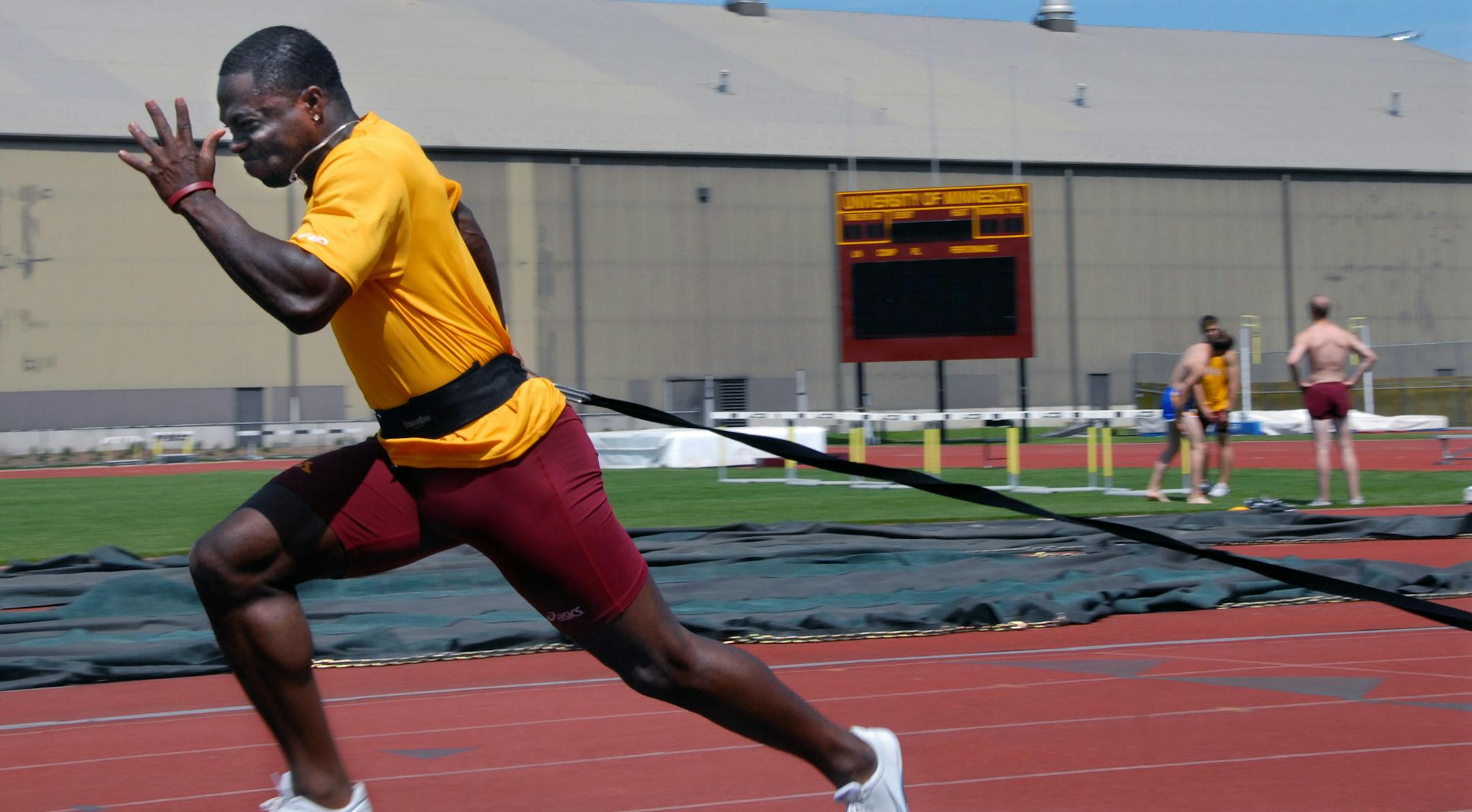
Ibrahim Kabia -- who developed a passion for soccer in his native Sierra Leone -- might never have gone out for track had he arrived in Minnesota in the fall.
But Kabia, uprooted as a boy by a civil war in his African homeland, came to Champlin Park High School in the middle of winter in January of 2001, after the conclusion of the prep soccer season. Eager to make friends, he tried track as a freshman. After an early false start -- he quit the Rebels' team before the section meet his first year -- Kabia has gone on to become one of the University of Minnesota's best sprinters ever as a junior.
On May 19, Kabia became only the second Gopher to win the 100 meters in the Big Ten Championships. His time of 10.29 seconds was a personal best. Earlier this spring, he won the 100 in the prestigious Drake Relays.
Kabia will compete Friday and Saturday in the NCAA Midwest Regional in Lincoln, Neb. A top-five finish there -- he is seeded sixth -- would qualify Kabia for the NCAA outdoor championships two weeks later in Des Moines. Kabia's improbable journey to Division I track success began when he and most of his immediate family were forced to flee from Sierra Leone in the midst of an 11-year civil war. At least 50,000 died in the conflict, including one of Ibrahim's uncles, who was the country's minister of social welfare.
About 2 million people, or a third of the population in the impoverished west African country, were refugees at some time during the civil war.
Fatima Kabia, Ibrahim's mother, left Sierra Leone first. In 1995, she went to visit a brother in the Twin Cities and never returned when the civil war spread to the outskirts of the capital city of Freetown, where her family lived.
After almost six years apart, Ibrahim Kabia, his two brothers, his sister and his father, Thaimu, were reunited with Fatima at Minneapolis-St. Paul International Airport on Jan. 22, 2001.
"I was so happy, it was the happiest day of my life," Fatima Kabia said. "All along I was crying, wondering about them."