When I moved to Minnesota in 1990 to cover the Vikings, Minneapolis offered a mediocre downtown living and entertainment experience and a rat-infested, prematurely anachronistic sports stadium named, awkwardly, the Metrodome.
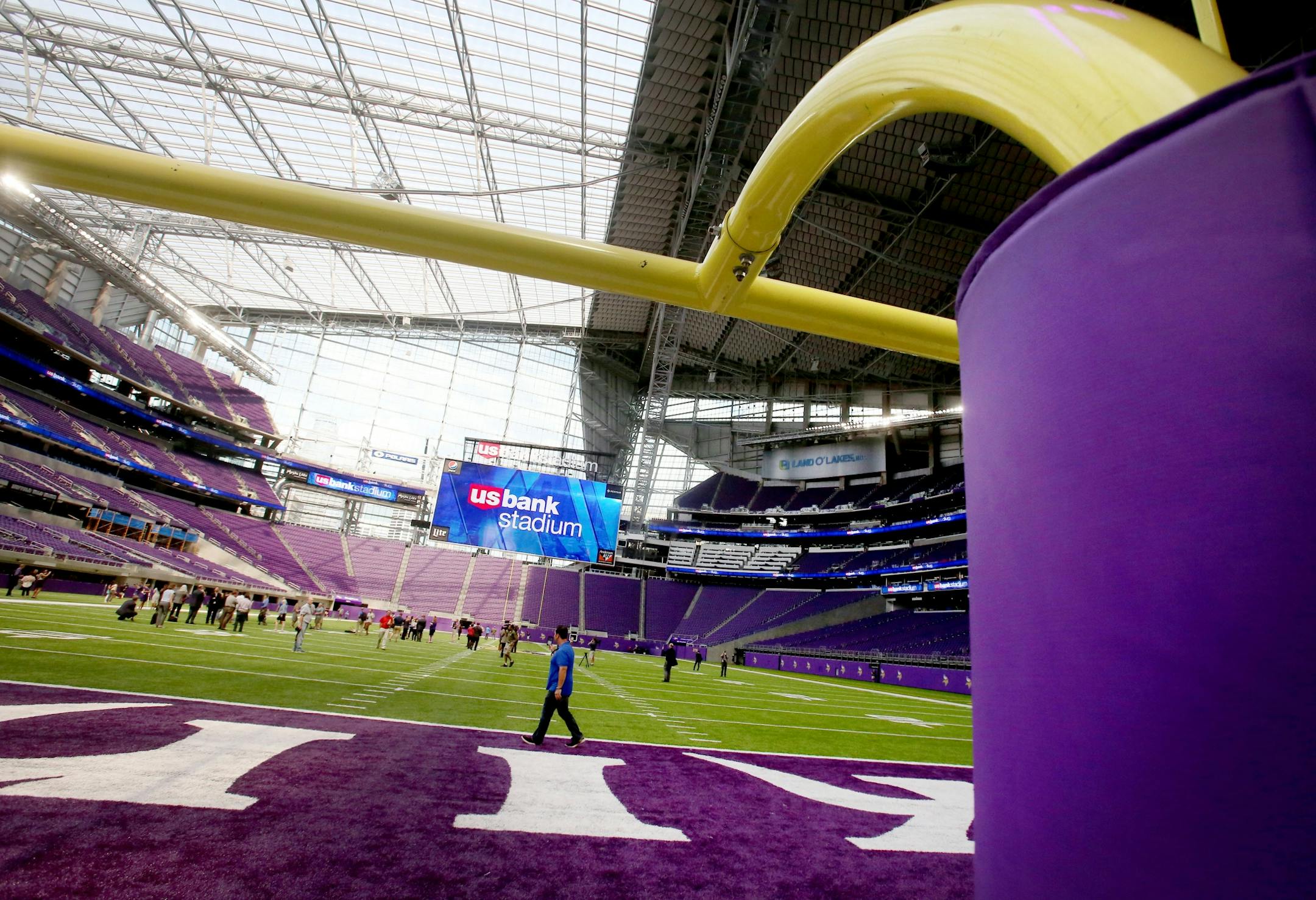
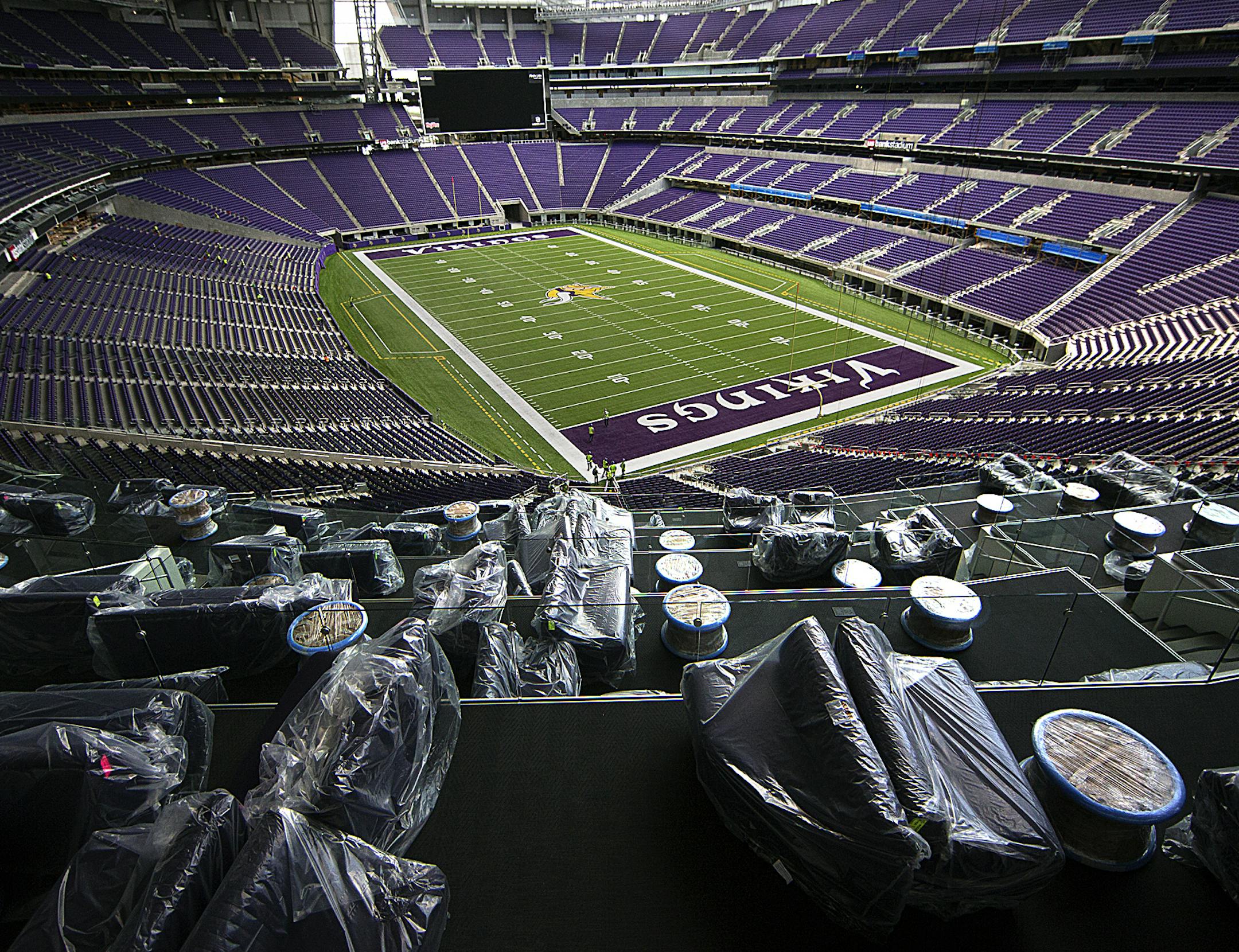
Thursday, I toured U.S. Bank Stadium for the first time.
What follows is not a journalistic accounting of the arena, or stadium politics or economics, but the personal view of a longtime football writer who loves living in Minneapolis, appreciates quality sporting architecture and can see U.S. Bank Stadium from his patio.
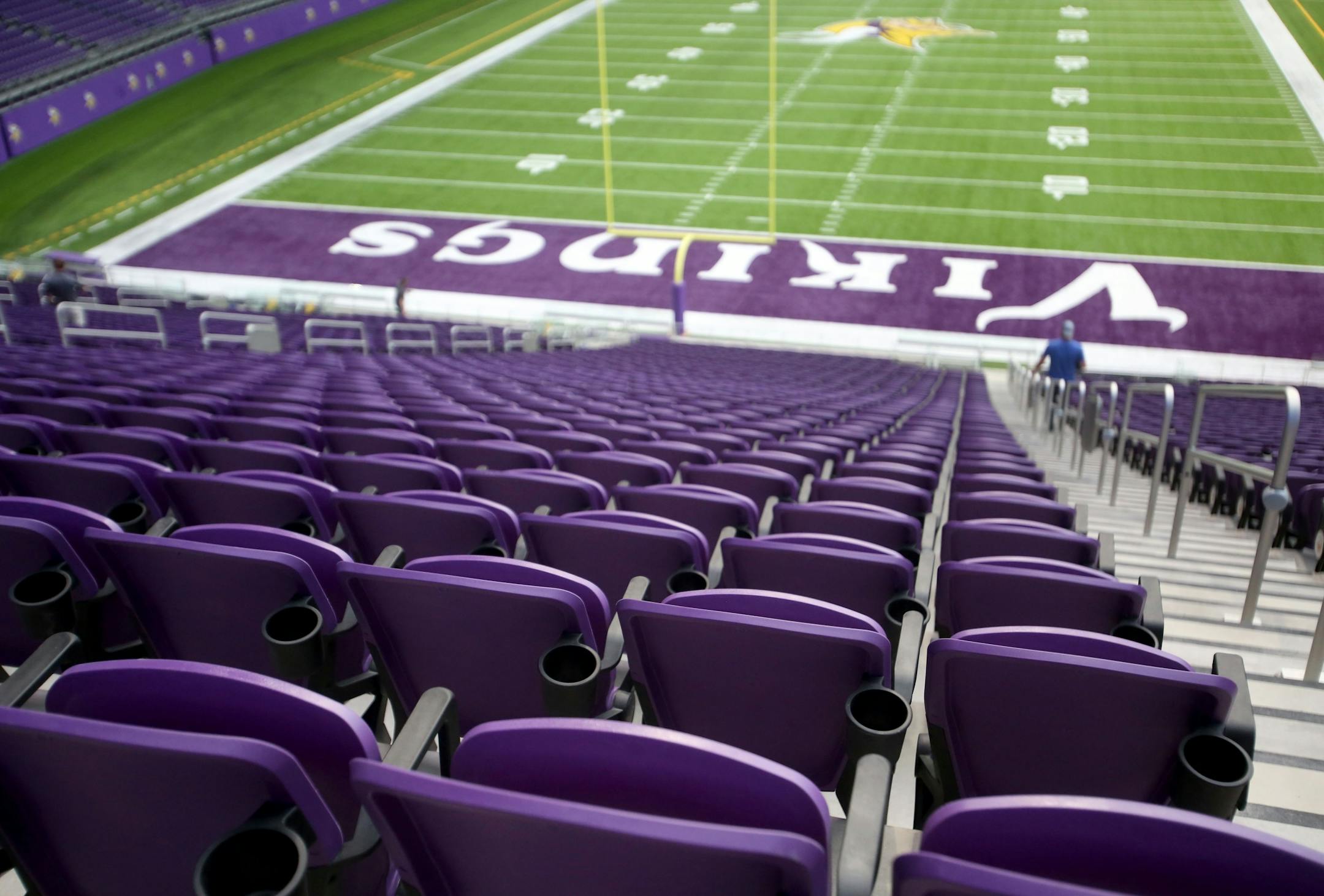
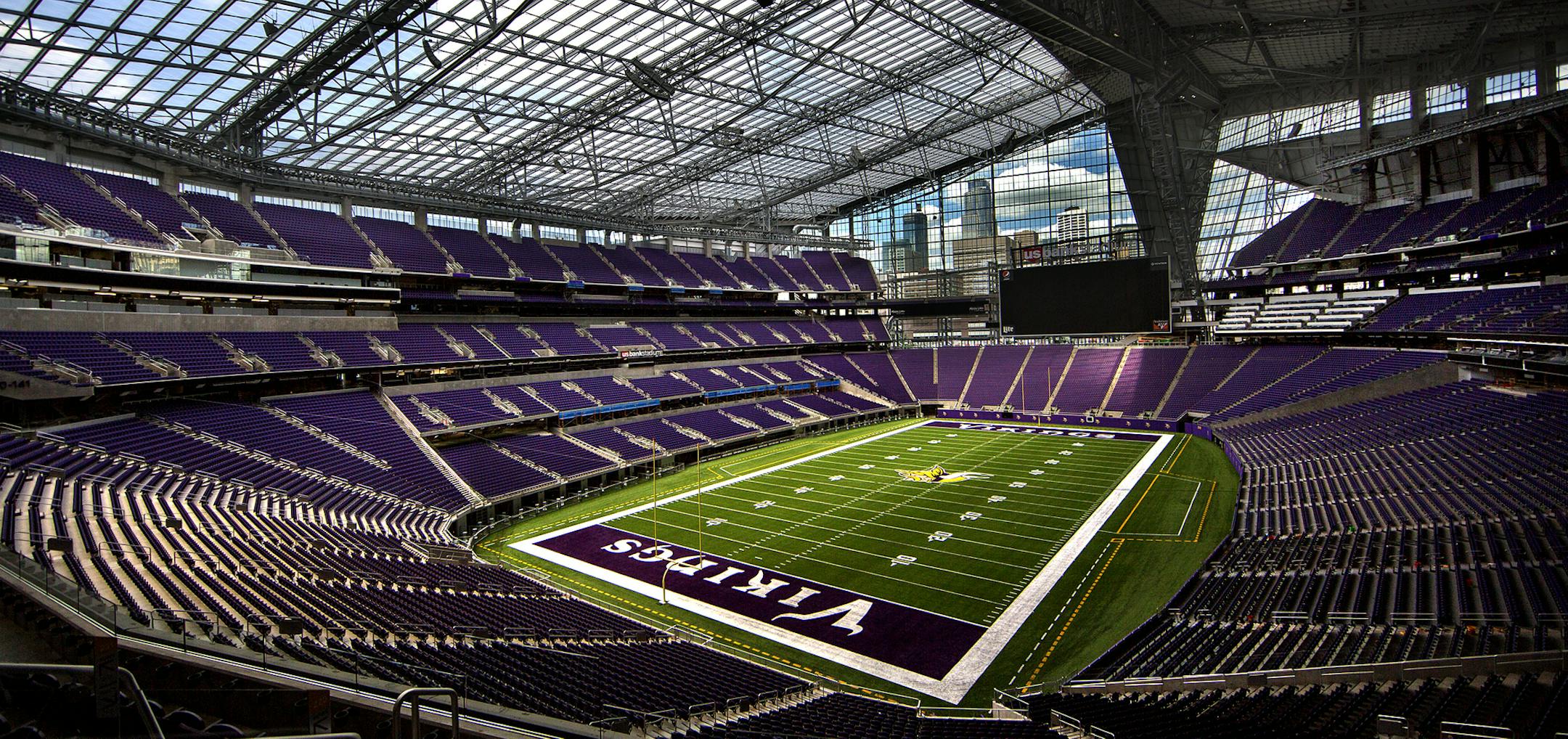
The place is spectacular.
It also fits my personal financial philosophy: If you're going to spend a billion dollars, make sure you get yourself something nice.
In many ways, the NFL's financial success has long outrun its infrastructure. The most popular sport in America plays its games in a lot of bad, or mediocre, or outdated, or unimaginative stadia. MetLife Stadium in New Jersey cost $1.6 billion and isn't as plush as high school stadia in the west suburbs, or anywhere in Texas.
The Twin Cities began a sweeping upgrade of sports stadia with Xcel Energy Center, and has continued with TCF Bank Stadium, Target Field and CHS Field. There might not be another place in the world with so many beautiful arenas located so closely together, not with the addition of U.S. Bank Stadium.
Few football stadiums are beautiful. Few are innovative. It's difficult to break the pattern of sameness when every football stadium is an oval seating area surrounding a uniformly rectangular field. Baseball can add odd dimensions or nooks to any outfield. In football you are not allowed to add a berm or Green Monster to the end zone.