Atop a brand-new building at the University of Minnesota, a mechanical room hums with huge HEPA filters -- a final safeguard against the escape of any deadly pathogens from the gleaming laboratory below.
This room crowns a $2.44 million project that will help the state immediately respond to outbreaks of diseases that could potentially spread from animals to people -- including the highly lethal form of bird flu, should it ever hit here.
Today, agriculture, animal-health and other officials who supported the project will tour the lab, which is to begin operating in a few weeks.
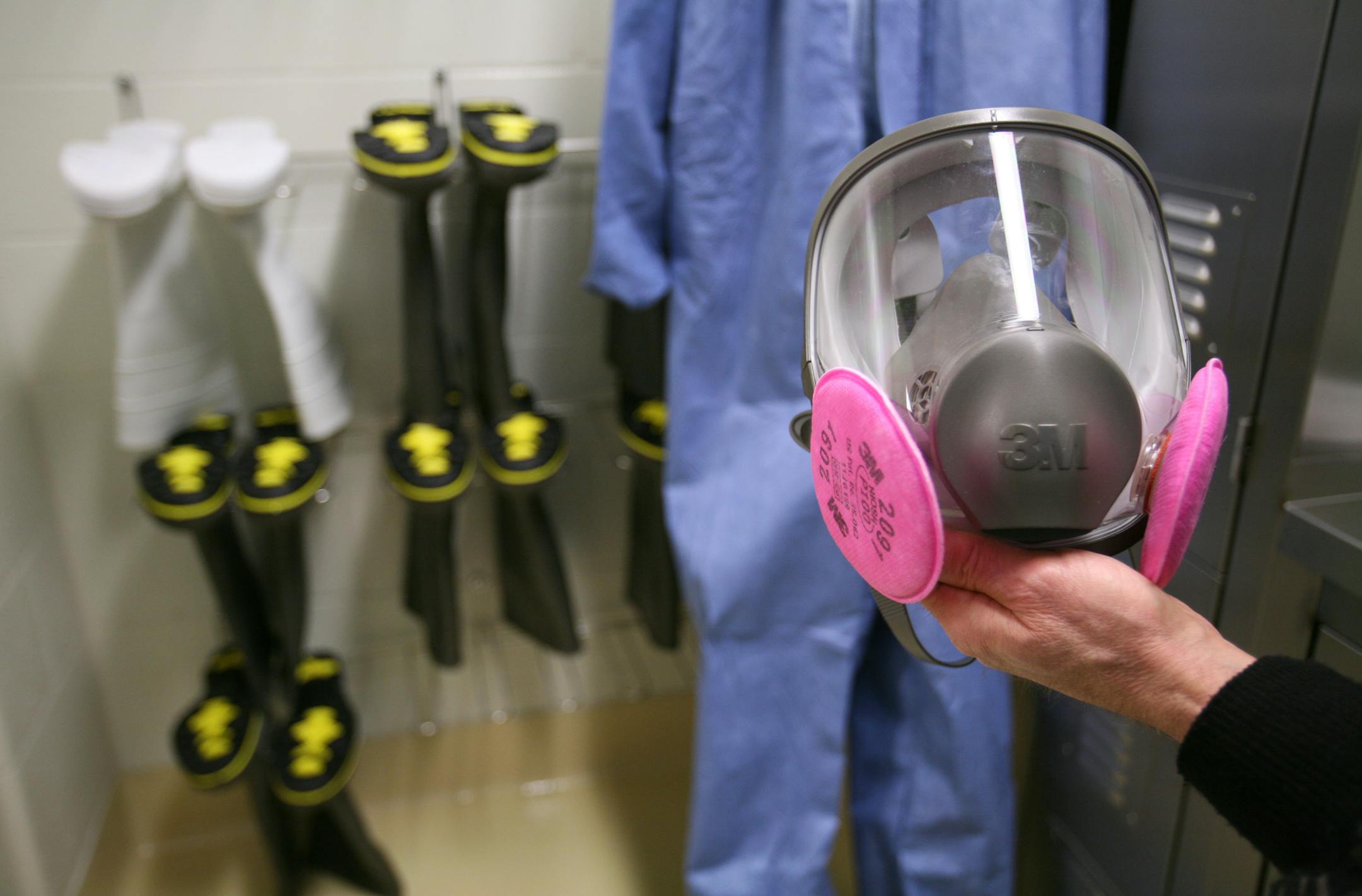
The lab adds to an arsenal that has made the state one of the most prepared in the nation to deal with a bird-flu outbreak. The building is designed to protect not only the lab's workers but also the community and the state's animal populations as well, scientists said.
"We have to be in a constant state of preparedness," said Ron Joki, senior scientist at the College of Veterinary Medicine and the new lab's manager. "If that virus doesn't hit, another virus might."
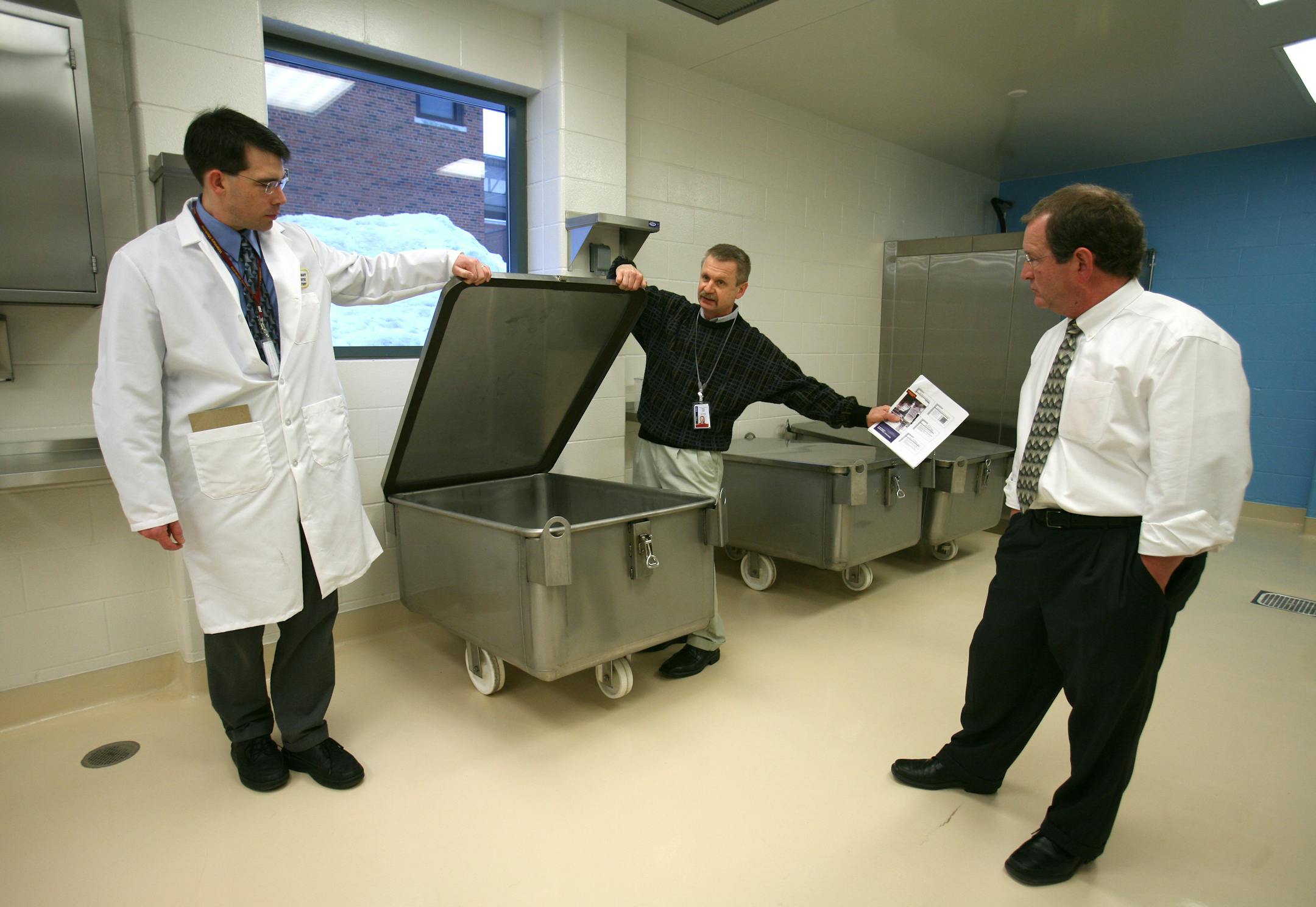
Called a Biosafety Level 3 lab, it's unique in that it is designed for the necropsies, or examinations, of dead animals weighing up to 100 pounds. Special features include a giant autoclave that will use steam to sterilize the carcasses once they have been examined.
Jim Collins, director of the Diagnostic Laboratory, said the University began this project in 2005, when a lethal strain of bird flu became a global concern.
Collins emphasized that this is not a research lab housing various pathogens, but rather a diagnostic facility that will respond when disease hits.