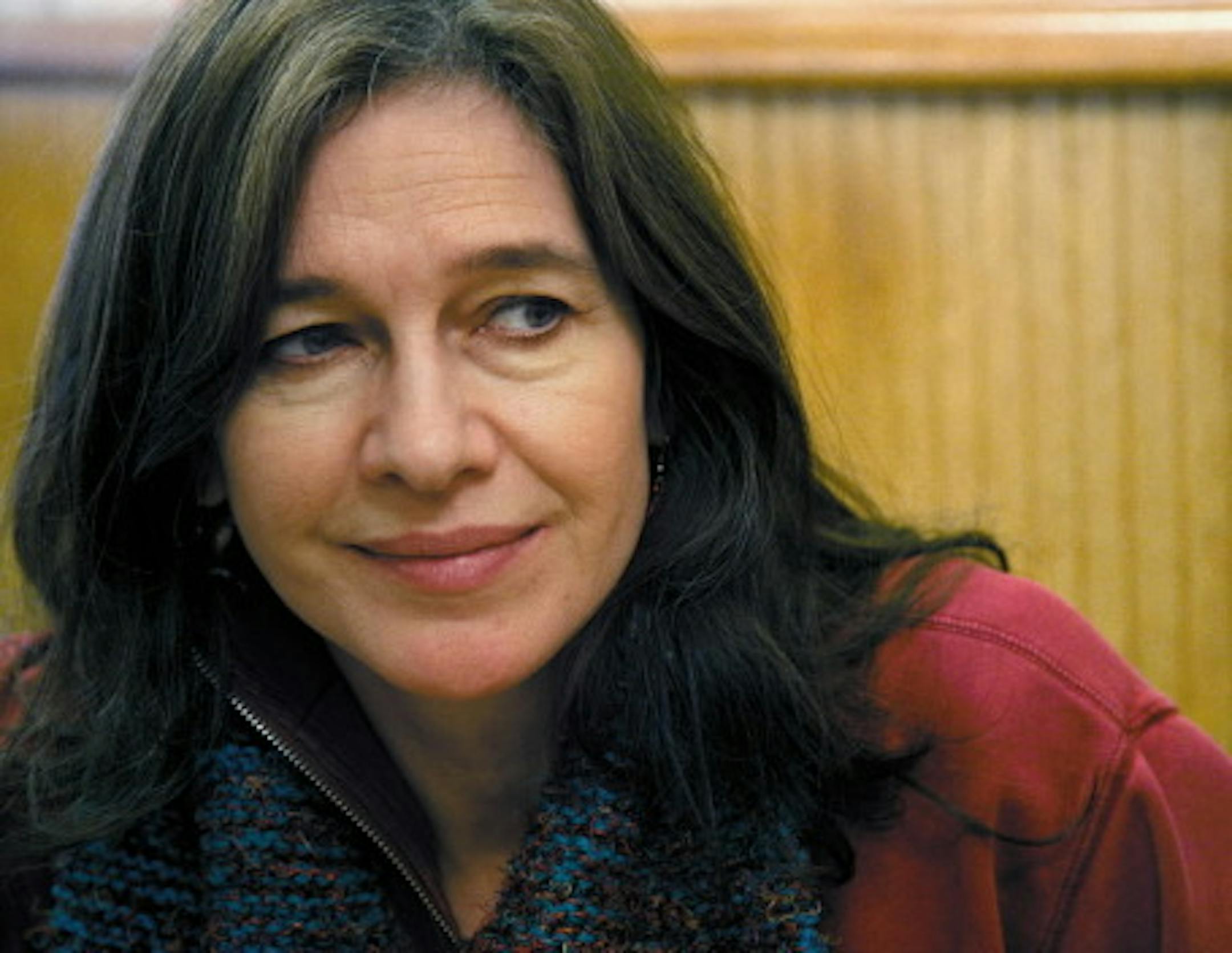
Jhumpa Lahiri had requested no photographs, so you will just have to imagine the scene last night: Two lovely, intense women, both with long dark hair and wearing skirts and boots, seated side-by-side in comfortable armchairs in the front of the beautiful old sanctuary of St. Pau l's Episcopal Church in Minneapolis, a wooden table between them, set with mugs of water. A table lamp cast a warm glow.
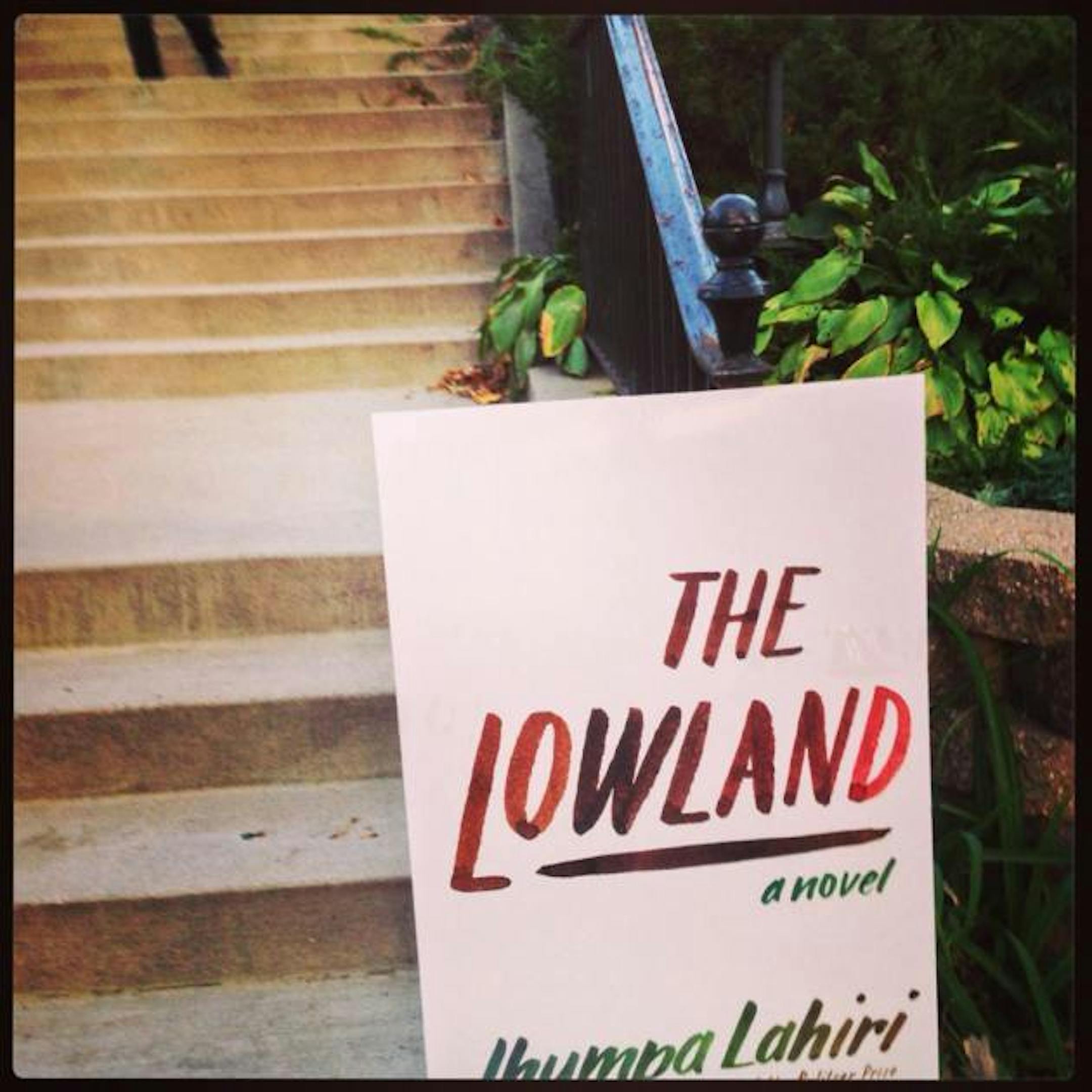
The two women were powers of American letters: Louise Erdrich, winner of the 2012 National Book Award (and many other significant awards), in conversation with visiting writer Jhumpa Lahiri, winner of the Pulitzer Prize and currently in the running for both the National Book Award and the Man Booker Prize for her new book, "The Lowland." (Strib review here.)
No photos, no video, the talk would be "old school," Erdrich said. "Hard-cover books. An event in present-time. You, us, and this wonderful book--graceful, full of heart."

Lahiri, who reportedly is not fond of book tours, has not only forbidden photographs but has canceled all interview requests for the rest of her tour. "Thank you, Louise, for talking to me and sitting with me tonight," she said. "I think it will be just what I need on this long road, this long march of mine."
She read an early passage of "The Lowland," a powerful section in which the two brothers in the book--Subhash and Udayan--are still young and are caught trespassing in the exclusive Tolly Club and are caught by a policeman, who steals from the boys, beats one of them, threatens both.
"Where did this place come from for you?" Erdrich asked. "It's so powerful."
The place is real, Lahiri said.The Lowland is "the area of Calcutta where my own father was raised, a neighborhood I have come to know quite well. Tolly Land was built by the British, a place for them to retreat and ride horses and play golf and get away from the hustle and bustle of the city."
In her research ("In spite of the fact that I know it well and can conjure it," she still needed to find out the history of the area), Lahiri learned that the area had once been a flood plain, later drained by the English. "That gave me some sort of working metaphor for the story," she said.