
Two Minneapolis men convicted on ISIL charges seek 'deradicalization' review

New "deradicalization" program has so far only included those who have pleaded guilty.

July 2, 2016 at 2:24AM
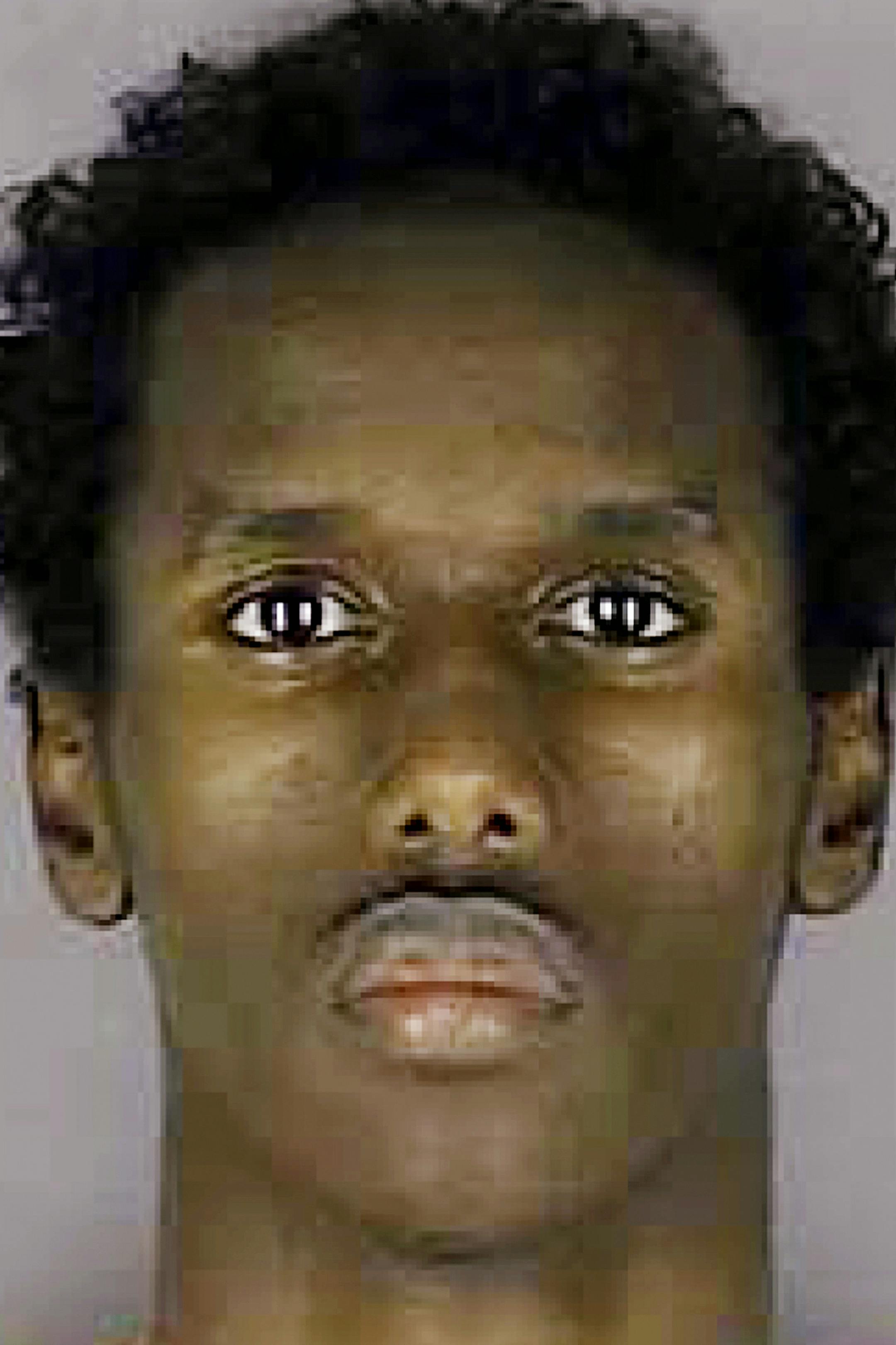
In an undated photo, Guled Omar of Minnesota. He was one of three Somali-Americans found guilty by a federal jury c on charges of trying to travel to Syria to join the Islamic State and conspiracy to commit murder overseas. (Hennepin County Sheriff's Office via The New York Times) -- EDITORIAL USE ONLY
Omar (The Minnesota Star Tribune)

Attorneys for two of the three Minneapolis men convicted last month of trying to join the Islamic State in Iraq and the Levant (ISIL) have asked the judge in the case to order the same risk assessment of their clients that those who pleaded guilty received as part of the "terrorism disengagement and deradicalization program" introduced earlier this year.

In March, Judge Michael Davis introduced the program, the first in the country, and six defendants who had pleaded guilty in the case have since been evaluated. They have undergone studies aimed at recommending intervention needs for "deradicalization of defendants involved in terrorism cases."

Now attorneys for Abdirahman Daud, 22, and Guled Omar, 21, have asked Davis to direct the U.S. Probation Office to conduct a study and contract with Daniel Koehler, a German expert on radicalization, to complete a pre­sentence report.

Davis introduced the program out of a desire for "more information than is otherwise available" to determine appropriate sentencings. Attorneys Bruce Nestor and Glenn Bruder echo that interest in their respective orders.

An attorney for the third defendant convicted at trial, Mohamed Farah, did not file a similar motion and did not immediately respond to messages left for comment. Farah's younger brother, Adnan Farah, pleaded guilty a month before trial and underwent an evaluation.

The motions filed by Nestor and Bruder closely follow orders from Davis for other defendants in the case, specifically outlining 10 factors to be included in the report.

Those factors include identifying and describing "case-specific driving factors of radicalization" and interviews with the defendant, family and friends. The written reports, prepared by Koehler, also seek to identify the level of risk of reoffending and a "stage of radicalization" for each defendant.

Koehler has also been contracted to give a prognosis for possible chances of successful intervention and to provide a program tailored to individual defendants' circumstances.
Koehler's reports, which have not been completed, must be disclosed to defendants and the government at least 10 days before sentencing. Sentencing dates have yet to be scheduled for the nine men convicted in the case.

Davis has not yet ruled on the motions filed by Nestor and Bruder.

Daud, Farah and Omar were each found guilty of charges including conspiracy to murder abroad and conspiring to provide material support to ISIL.

The former charge carries the possibility of up to life in federal prison.

Stephen Montemayor • 612-673-1755

Twitter: @smontemayor

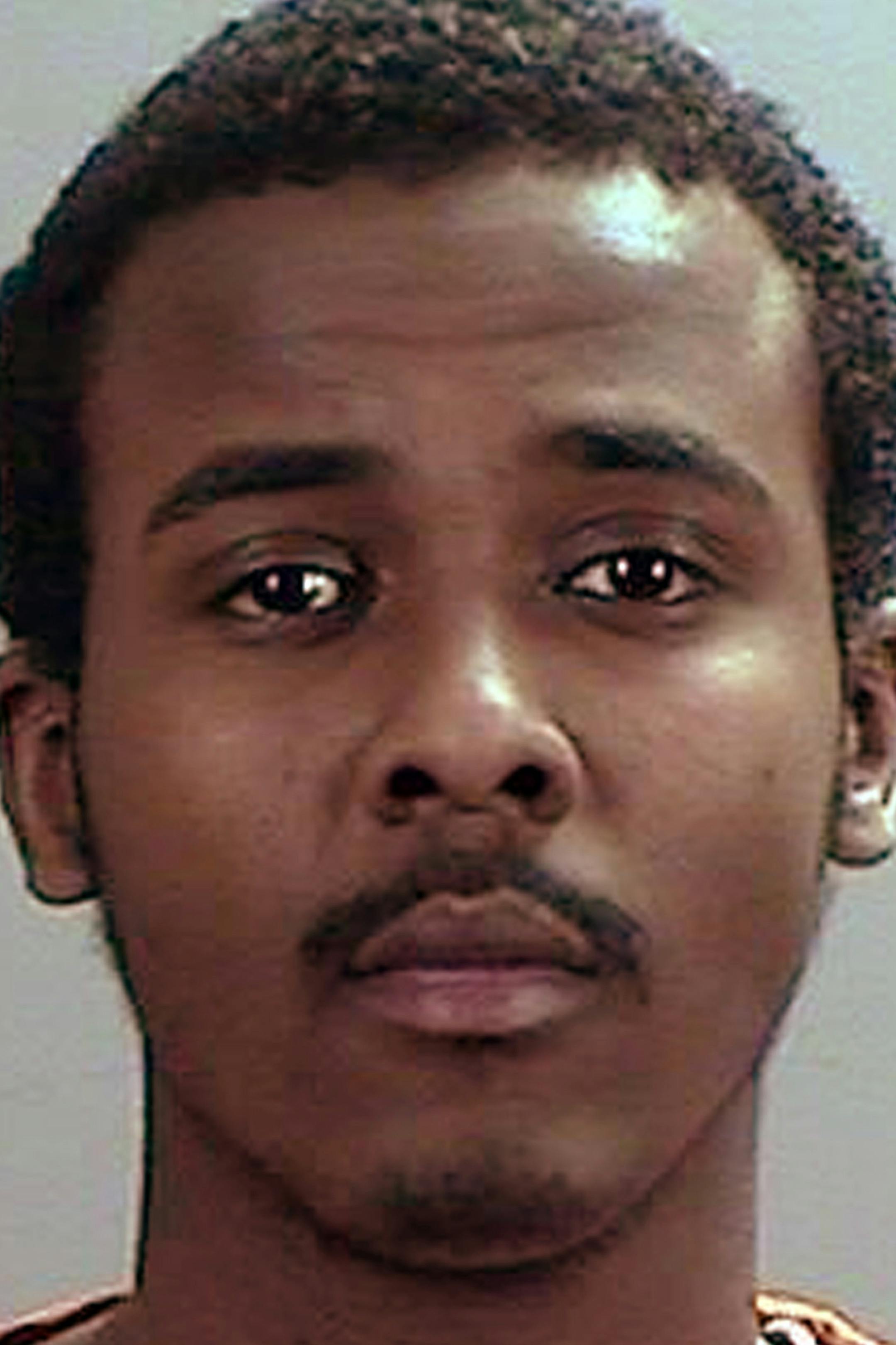
In an undated photo, Abdirahman Daud of Minnesota. He was one of three Somali-Americans found guilty by a federal jury on June 3, 2016, on charges of trying to travel to Syria to join the Islamic State and conspiracy to commit murder overseas. (Sherburne County Sheriff's Office via The New York Times) -- EDITORIAL USE ONLY
Daud (The Minnesota Star Tribune)
about the writer

about the writer

Stephen Montemayor

Reporter

Stephen Montemayor covers federal courts and law enforcement. He previously covered Minnesota politics and government.

See Moreicon

More from No Section

See More
FILE -- A rent deposit slot at an apartment complex in Tucker, Ga., on July 21, 2020. As an eviction crisis has seemed increasingly likely this summer, everyone in the housing market has made the same plea to Washington: Send money — lots of it — that would keep renters in their homes and landlords afloat. (Melissa Golden/The New York Times) ORG XMIT: XNYT58
Melissa Golden/The New York Times

It’s too soon to tell how much the immigration crackdown is to blame.