

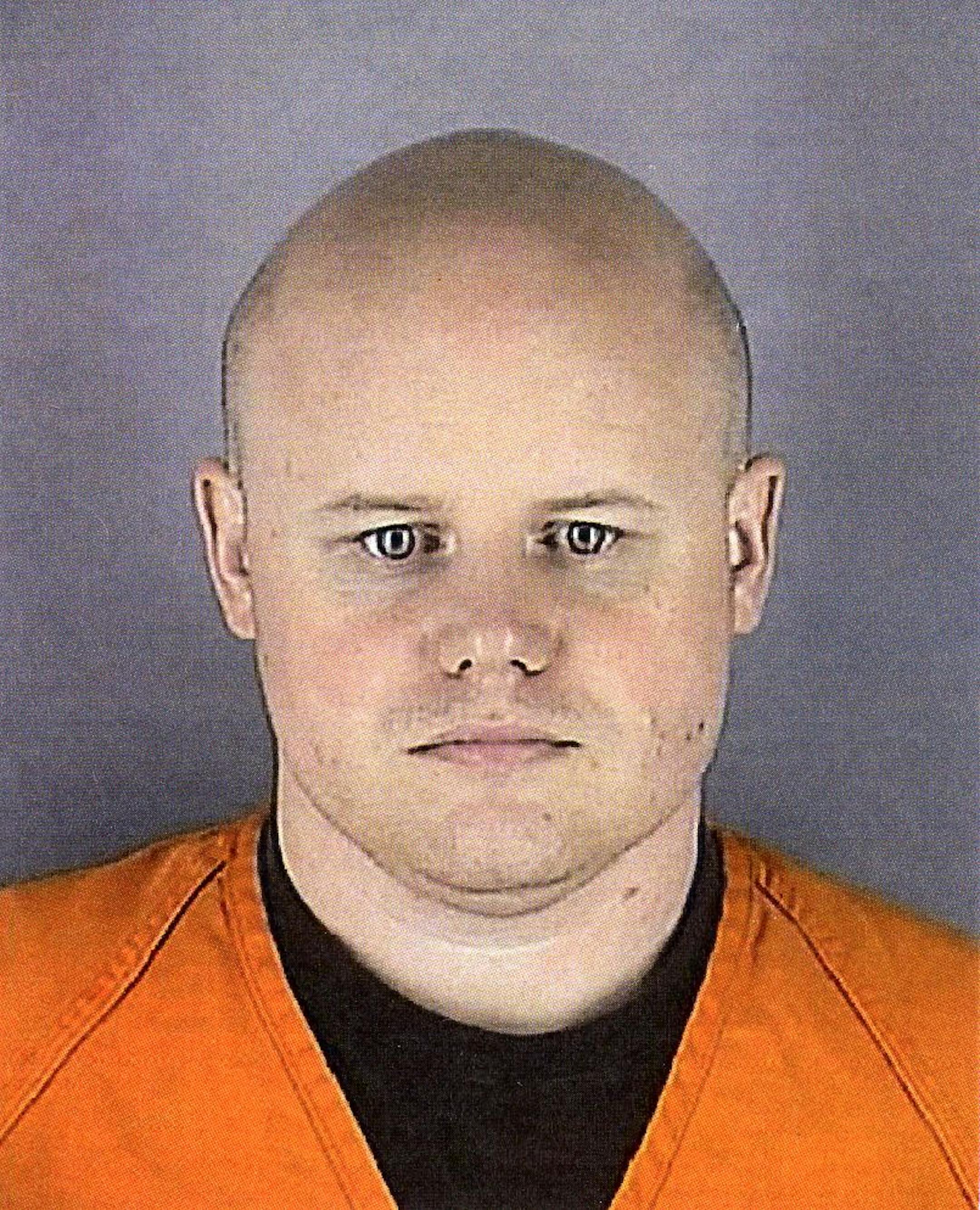
Two starkly different pictures of Randel Richardson emerged Tuesday as medical experts testified whether the man who drowned his infant son should ever be able to rejoin society.
For Dr. Michael Farnsworth, a psychiatrist testifying for Richardson, medication and therapy have restored him to the man he used to be. Richardson feels remorse about what happened and with medication and proper supervision, he should be able to make the transition.
For Dr. Bruce Renken, a court-appointed psychologist, there is still a risk that Richardson could relapse into the psychotic state that led him to hold 6-month-old Rowan under a foot of water in a laundry tub until he stopped moving.
So went the second day of a trial to determine if Richardson, 36, a Cargill supply chain analyst, should be committed indefinitely as mentally ill and dangerous. It followed wrenching testimony Monday by Richardson and his wife, Karen, about how they struggled to find help for Richardson during a six-month bout with delusions and depression that culminated on the afternoon of July 31, 2010, when he drowned the baby in the family's Eden Prairie home. He was found not guilty of first-degree murder by reason of mental illness. The Hennepin County attorney later petitioned to have him committed indefinitely at the Minnesota Security Hospital in St. Peter, Minn., where he is currently held.
Richardson's attorney, Chris Petros, is arguing that Richardson should be placed in a less-restrictive six-month commitment, with possible extensions, before he transitions back into society. District Judge Jay Quam will determine Richardson's future after the trial.
"He has a history of mental illness, but he is in remission and is not mentally ill today," Farnsworth testified Tuesday. He added that many of the issues Richardson must face, including the scorn from society for killing his son and stigma associated with mental illness, can be dealt with only outside an institution. Even without medication, Farnsworth testified, Richardson's odds of relapse are about 50 percent. Should he stay on his regimen of an anti-psychotic and antidepressant, those odds are much lower.
Renken countered that the seriousness of Richardson's act could result in a dangerous relapse if he stopped taking his medication.
"There's not a high risk, but a substantial risk given the episode that unfolded and the way it could unfold," Renken testified. "There is an element of danger there and it could become dangerous in an unpredictable way."


