

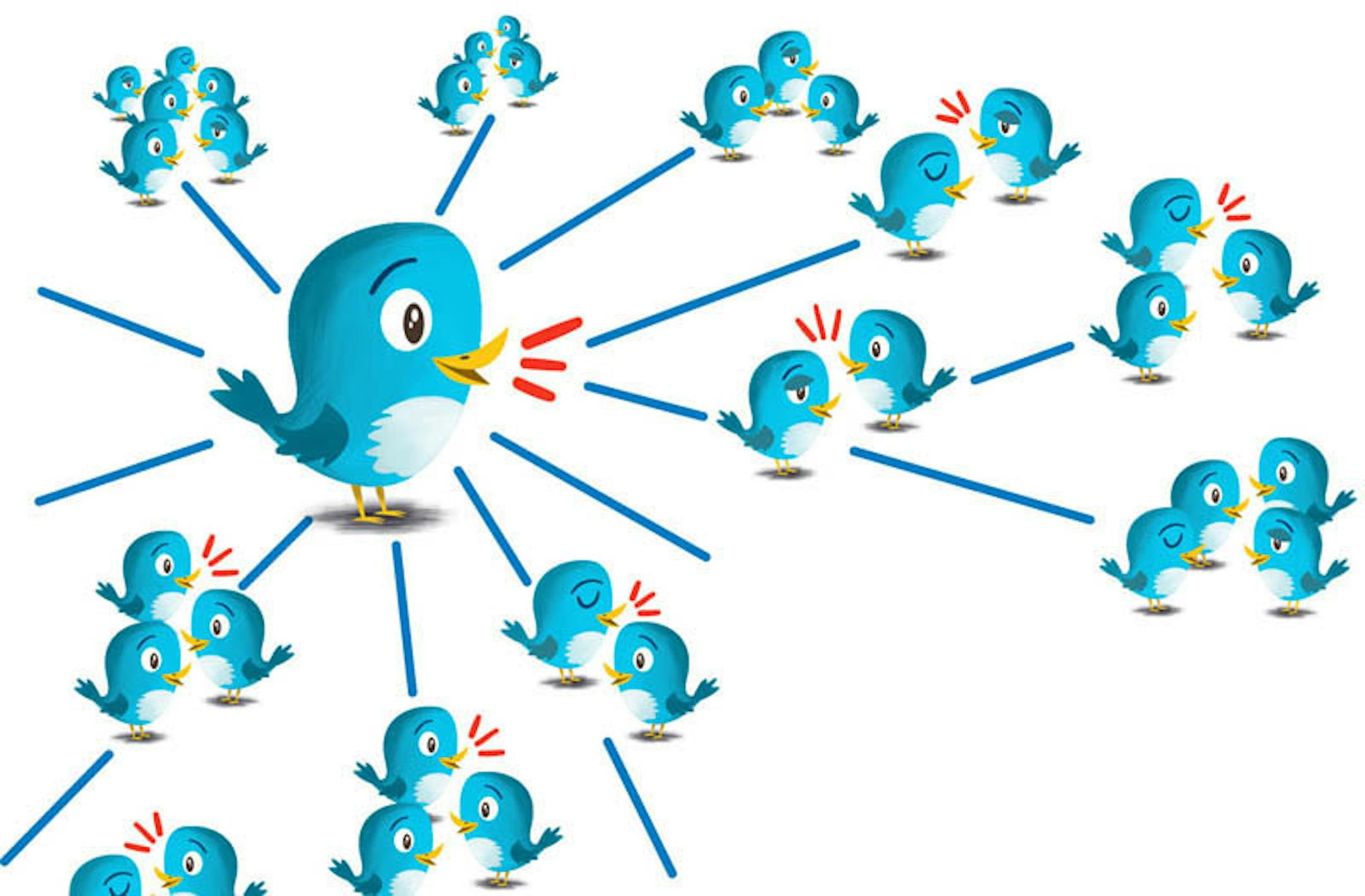
One day last November, Tony Baldasaro demolished in a few minutes what he'd spent four years building up. An avid Twitter user, he scrolled down the giant list of people whose posts he used to read and deleted every one of his more than 5,000 contacts. He felt liberated. Though he didn't realize it at the time, he had just joined the growing number of Twitter users involved in similar digital housecleaning.
At first glance, Baldasaro's behavior might seem antithetical to Twitter conventions. After all, since Twitter's launch in 2006, what has made a user look cool is having a large number of "followers." A main way to get followers is by following others and hoping they follow you in return. In fact, in the etiquette of the site, not following back someone who is a social equal is sometimes considered offensive. Yet, according to Unfollowers.me, one of the largest online analytics firms dedicated to following such things, the number of unfollows has jumped threefold in the past six months — today reaching more than 750,000 unfollows per day.
So why are so many people these days cutting off these Twitter relationships? Many say they want closer connections with a rarefied few and want to cut ties with those just looking for a quick "follow back."
So it was for Baldasaro. In a digital note to his friends, Baldasaro wrote that his Twitter world had become so confusing that "the tweets flowed so fast, I couldn't read them all." He explained he was going to be fiercely selective in who he would follow. "If I'm following you, it is because I need you in my personal and professional life in some way. If you want to unfollow me, I get it."
Twitter, which is designed to encourage people to build a following, has become one of the most dominant social media platforms in the world. The amount of time Americans spent on Twitter grew by 48 percent from 2011 to 2012, according to Nielsen's 2012 study of social media.
Several apps are now available to Twitter users that alert account owners which of their onetime fans have just "unfollowed" them. Some even offer a paid feature that checks hourly for unfollowers. The number of people who use the Unfollowers.me app has swelled since its release in June 2011, reaching 600,000 by January 2012, and 2.85 million by April 2013, according to its founder, Tushar Mahajan.
Perhaps not surprisingly, given the human impulse toward tit for tat, the company discovered an interesting pattern: Almost everyone who uses this program ends up unfollowing whoever unfollows them, according to the firm's analytics.
"Back in the early days of Twitter, circa 2007, there were so few people on the service that the criteria for following someone was pretty low," wrote Dusty Reagan, the founder of FriendOrFollow.com, another website that identifies unfollowers for curious Twitter users. "Now everyone has a Twitter account, so it pays to be a little more discriminating whom you choose to follow."


