0:55
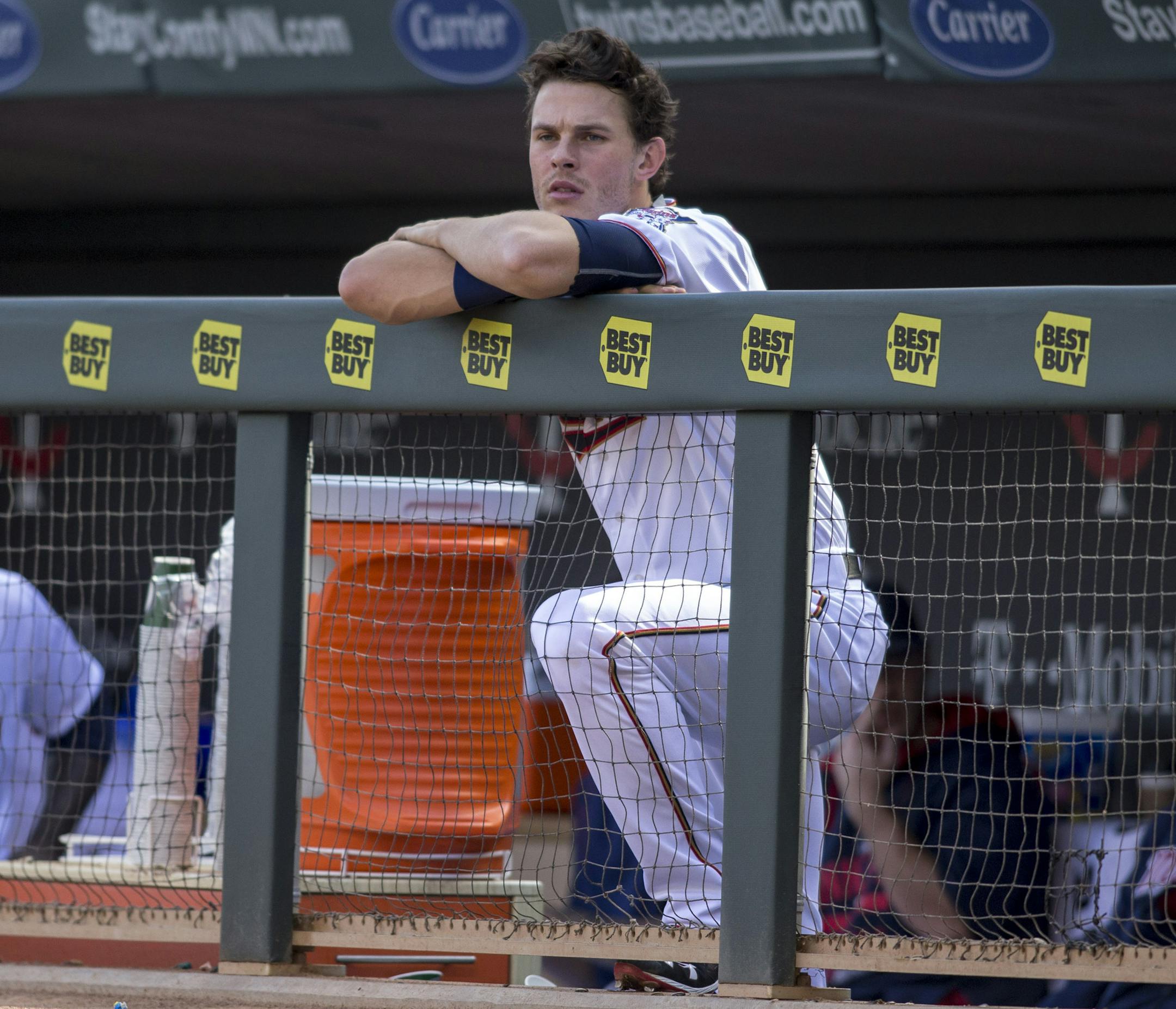
0:55FORT MYERS, Fla. – Terry Ryan remembers watching Max Kepler report to Twins camp every day, back when he first signed a contract. "He looked like a freshman at South Fort Myers [High]," located across Plantation Road from the team's headquarters, the Twins general manager said. "He'd walk across the street with his backpack on. [I'd think,] who's this guy?"
He knows now: At 22, Kepler is one of the franchise's top prospects, maybe one of the best in the sport. And if he turns into the run producer and elite outfielder that so many experts expect to see soon in the major leagues, he'll be something else: a monument to professional scouting.
Kepler was first noticed by Twins scout Andy Johnson when he was 14, at a baseball academy 7,000 miles from Target Field — which hadn't been built at the time. He signed a professional contract in 2009, at the age of 16, scrawny and gangly and inexperienced and, oh yes, German. The Twins gave Kepler $775,000 because they were confident that he would eventually grow and add muscle and improve at the plate and get faster and learn a sport he had played only a few years.
Millions of kids play sports every year. Scouts zero in on which ones will be the best years in the future. They chose Kepler.
"That's what those guys do — they project," said Ryan, a member of the Professional Baseball Scouts Hall of Fame. "We all had that assignment, going down and looking at a 15- or 16-year-old and using your imagination."
In Kepler's case, they didn't have much real competition to watch, given the level of baseball in Germany, so they used other metrics. "He looked like he belonged. He had a good swing. He was a tennis player, he loved soccer, he could do a lot of things besides just play the game of baseball. He was a well-rounded athlete," Ryan said. "He needed to grow up and he did."
'Did you think were going to rush him?'
It has been nearly seven years since Kepler signed, and for much of that time, you needed that imagination to see a future big-leaguer. He spent a season in instructional league, playing ball in the afternoon after attending classes across the street to finish high school. Then came two years in rookie ball. By the end of five seasons, the Berlin native had advanced only to Class A.
But the Twins had patience. "That's in my DNA," Ryan jokes. "Did you think we were going to rush him?"