Here we are at the All-Star break — and, yes, the last two Twins games were a poor way to go into a four-day layoff — with the overall picture for the team looking far more optimistic than most would have imagined at the start of the season.
The Twins are 45-43, trailing Cleveland by just 2½ games in the AL Central and having positioned itself firmly in the wild-card mix. The roster is hardly perfect, and there is a looming feeling that the Twins could still slide post-break and wind up more like a 75-win team than an 80-85 win team, but so far you have to consider this year a success coming off last year's 59-103 debacle.
The reasons for the improvement have been well-chronicled and often start with an upgraded defense that has gone from being one of the league's worst to among the league's best.
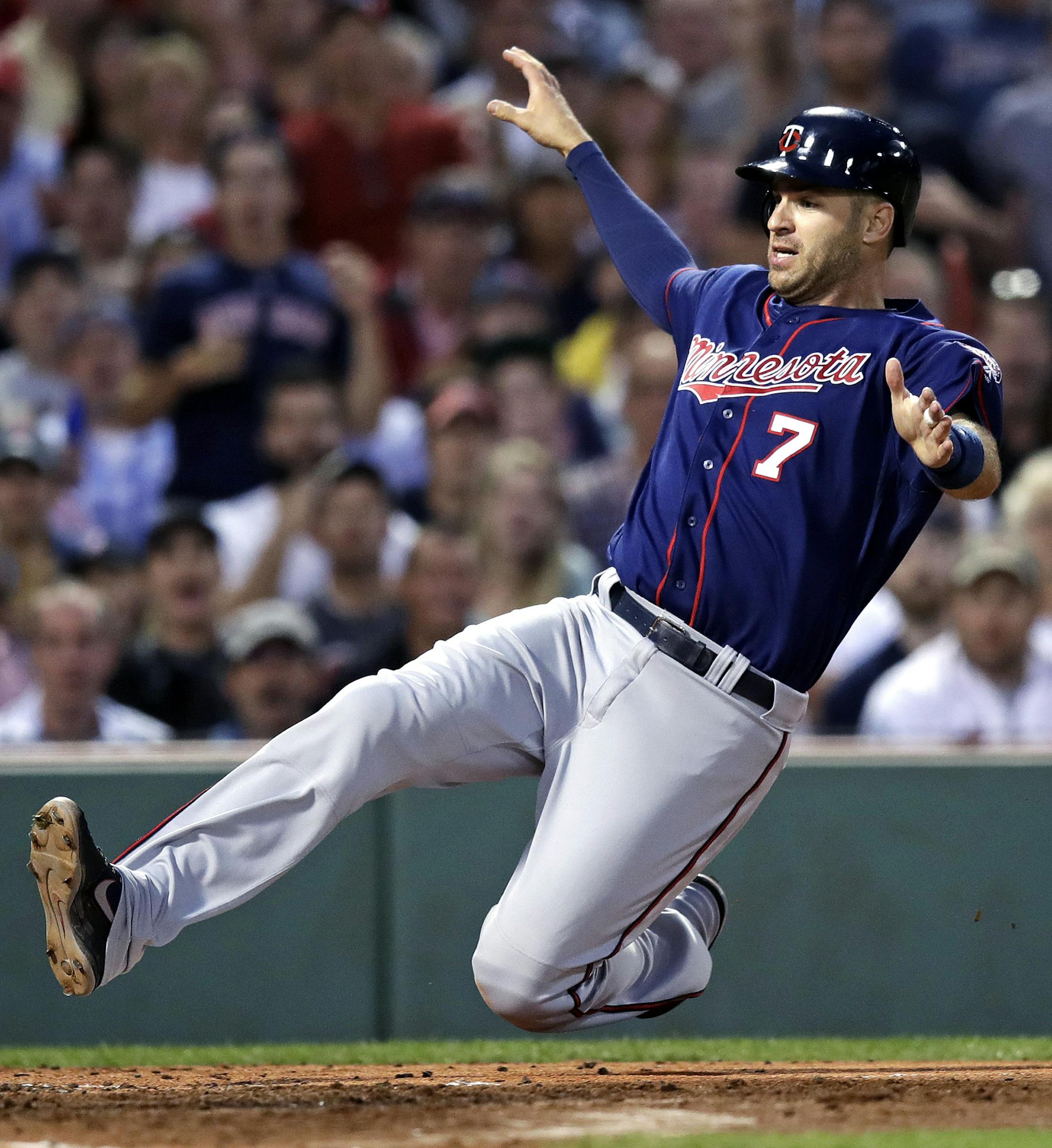
An underrated part of the success story, though, is worthy of at least a brief mention. So let's dabble a bit in the Twins' very good baserunning this season. While long home runs like the ones mashed Monday in the derby are nice, the little things are worthy of appreciation, too.
• As of a few days ago, the Twins ranked third in MLB in "net gain" on the base paths, a Bill James-derived stat that measures advancement on hits, outs and stolen bases relative to missed opportunities or negative outcomes. Minnesota was plus-50, trailing only the Rangers and Diamondbacks.
This type of thing shows up obviously in things like Byron Buxton scoring from first on a single recently against Baltimore — a feat you had to see to truly believe — but even subtle base advancements are critical for manufacturing runs and building innings.
• If you prefer a different metric, Baseball Reference offers a stat called "extra bases taken percentage," which focuses on the times a baserunner advances more than one base on a single (or more than two bases on a double). The Twins sit at 45 percent, good for fifth in MLB (again, the Rangers and Diamondbacks are two of the teams ahead of them, so there is certainly some synergy between the two different metrics).
It helps that they don't have a lot of real plodders in their lineup. Buxton is almost automatic to go first to third on a single, while others like Brian Dozier, Eddie Rosario and Max Kepler are equipped for it as well. Joe Mauer has long been considered a very good baserunner despite having only average speed.